90% Silence: Moroccan Desert's Sensory Depth Awaits You
"The desert is not a place of emptiness, but a place of profound presence where the soul finally finds room to breathe."
Stepping into the vastness of the Moroccan Sahara is a transition from the frantic pace of modern life to a timeless, meditative stillness.
Key Takeaways
* A Cultural Crossroads: The Sahara is a living landscape of Berber traditions and ancient trade routes, offering a deep contrast to the savanna ecosystems of East Africa. * The Moroccan Anchor: Morocco serves as the perfect logistical and cultural gateway, blending mountain treks and desert solitude with architectural wonders. * Mastering the Extremes: Success in the desert requires balancing the intense heat of the day with the bone-chilling coolness of the desert night. * Immersion Over Observation: This journey shifts the focus from "wildlife spotting" to a deep, sensory immersion in a vast and living environment.
Why Morocco? Beyond the Safari Circuit
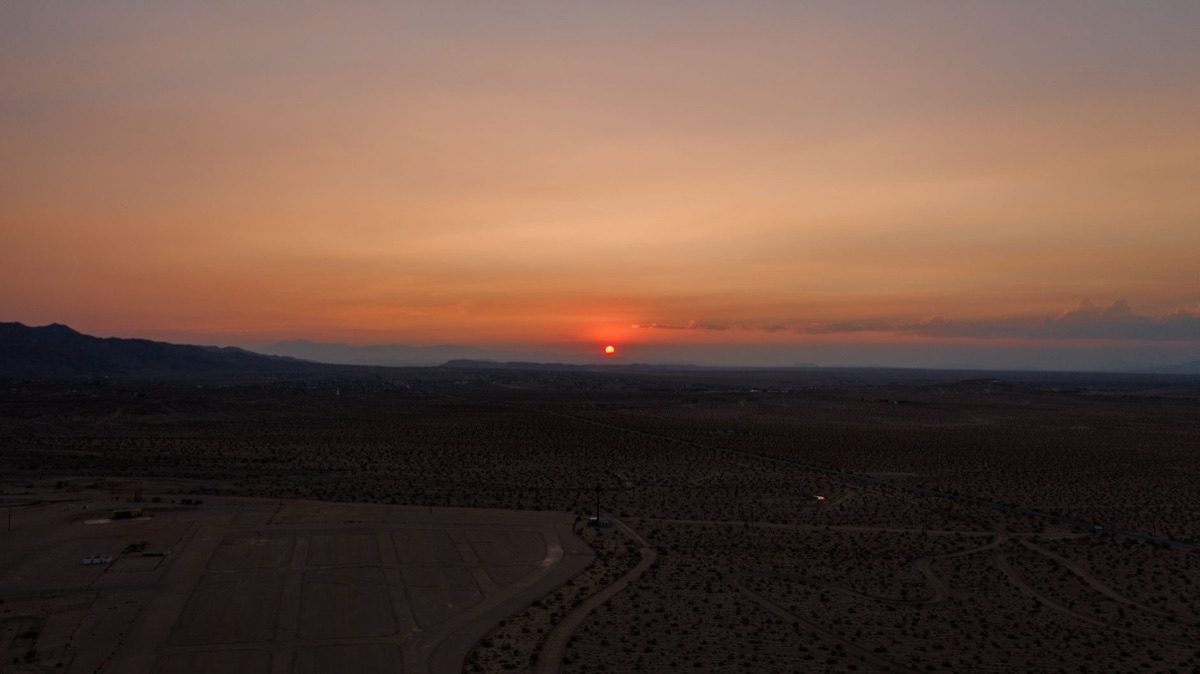
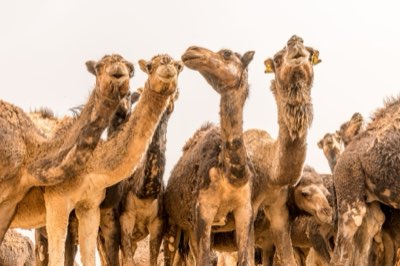
The sun hangs heavy over the red earth of the Draa Valley as a caravan of camels begins its slow, rhythmic trek toward the dunes. There is no engine roar here, only the soft crunch of sand and the occasional chime of a bell.
For travelers accustomed to the high-oct고 energy of a South African or Kenyan safari, the Sahara can feel like a different world entirely. In the Serengeti, the goal is the encounter—the sudden movement in the grass, the chase, the visible life. In the Moroccan desert, the goal is the expanse.
It is a shift from the vertical excitement of spotting a leopard to the horizontal awe of an endless horizon.
The geography of Morocco makes this transition seamless. The Atlas Mountains serve as a rugged, snow-capped threshold that you must cross to reach the deep desert.
This transit through diverse landscapes—from alpine peaks to palm-fringed oases—adds a layer of complexity and beauty that a single-biome safari lacks.
Furthermore, the cultural texture is uniquely North African. While a safari often places you in the role of an observer of nature, a Moroccan desert journey places you within a living history.
The Berber (Amazigh) traditions and the legacy of the trans-Saharan trade routes provide a backdrop of human endurance and artistry.
You aren't just watching nature; you are walking through a storied landscape where humans and the desert have negotiated survival for millennia. But how do you actually survive the shift from the village to the dunes?
How do you navigate the oasis ecosystem?
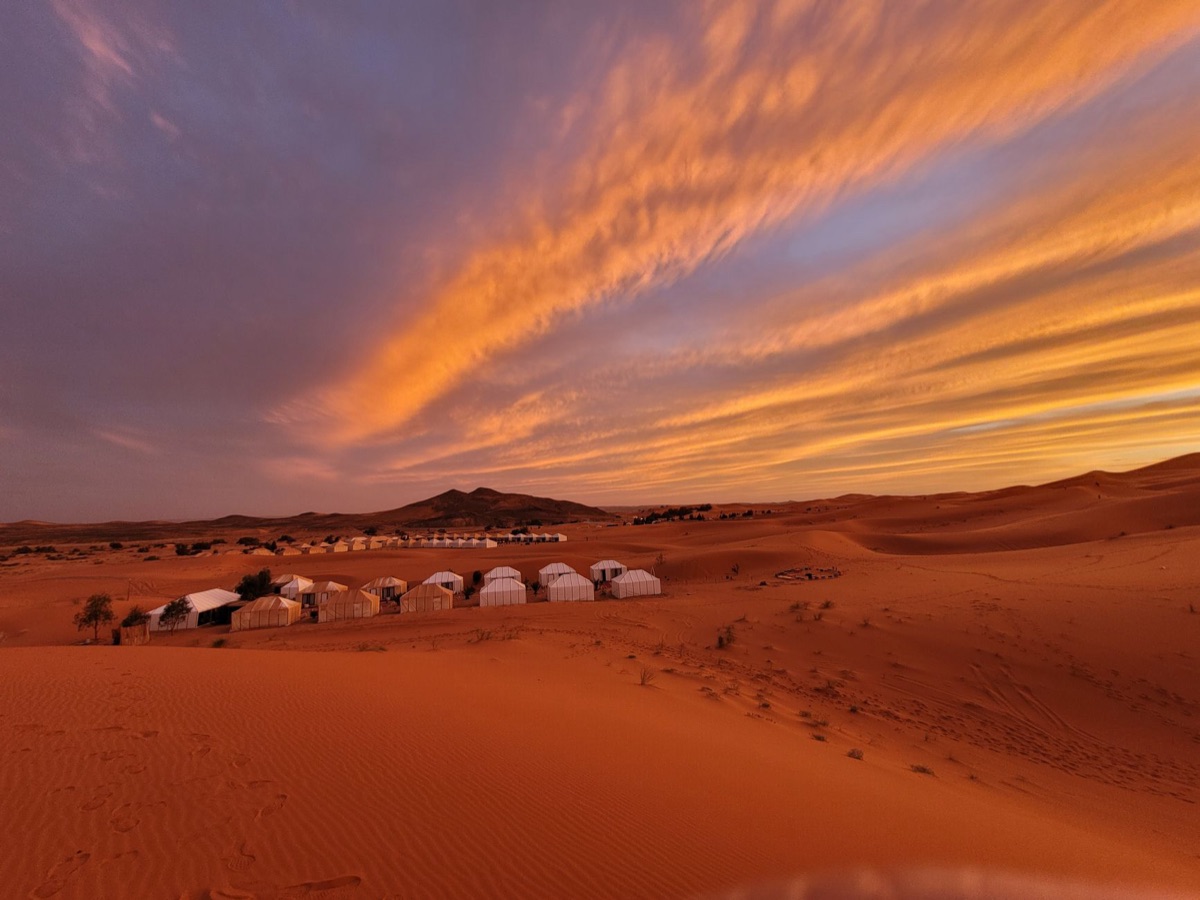
A single drop of water hits a dusty palm leaf, and the scent of damp earth rises briefly before the heat claims it. This is the reality of the oasis, the heartbeat of the desert.
To understand the Sahara, one must understand the oasis. These pockets of green are not just scenic stops; they are the life-giving anchors of the entire region. An oasis is a delicate miracle of irrigation and geology, and navigating the desert is essentially a journey between these vital hubs.
The transition from the inhabited, green valleys to the stark, orange dunes of Merzouga or Erg Chebbi represents a profound shift in the traveler's psyche. The desert dictates the schedule. There is no fighting the sun; you work with it. The diurnal cycle is the law.
During the peak heat of the afternoon, the desert demands stillness and shade. Activity is reserved for the golden hours of dawn and the cool stretches of dusk.
This rhythm forces a slower, more intentional way of moving through the world. Practicality is key when moving from the village to the deep wilderness. While the journey feels ancient, modern logistics require careful planning.
Reliable transport and expert local guides are non-existent luxuries; they are necessities.
A guide who understands the shifting sands and the nuances of the terrain is the difference between a scenic trek and a dangerous detour. But once you arrive, what exactly should you expect to encounter?
What defines the sensory tapestry of the desert?
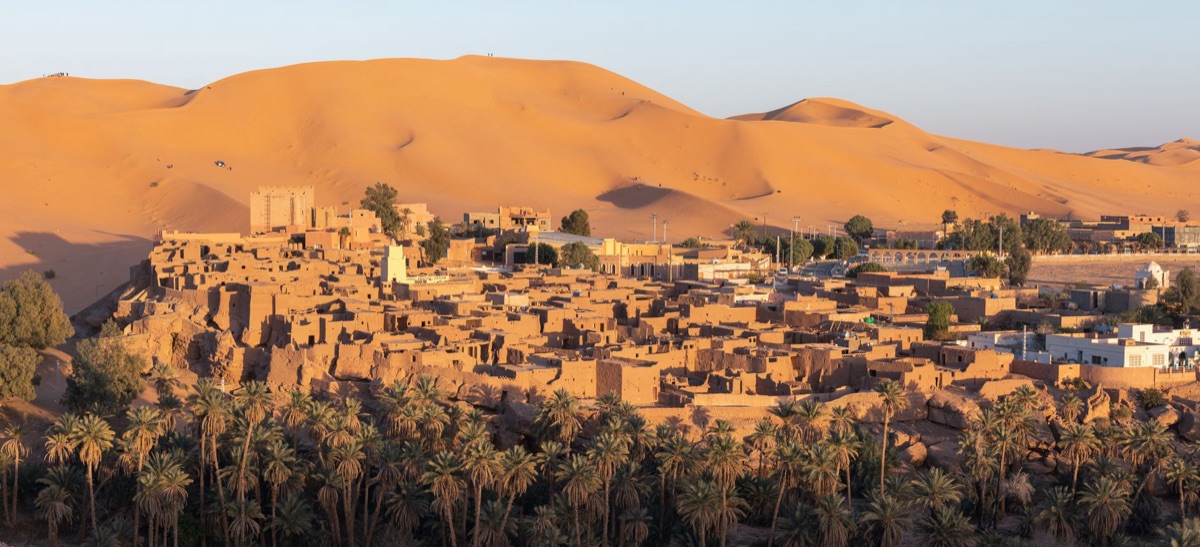
The orange glow of the sunset bleeds into a deep violet, and for a moment, the world seems to hold its breath.
The visual impact of the Sahara is difficult to capture in words. The textures of the dunes—rippled by the wind like frozen waves—change color with every passing hour. One moment the sand is a pale ochre, and the next, it is a deep, fiery crimson.
The vastness can be disorienting, stretching the eyes to a limit they rarely reach in urban environments.
This visual intensity is often met with an overwhelming auditory shift. In the cities of Marrakech or Fes, the soundscape is a chaotic blend of motorbikes and markets. In the deep desert, the silence is so heavy it almost has a physical weight.
At night, the silence is broken only by the wind or the distant call of a desert fox, leaving the stars to become the primary actors. The celestial display in the Sahara is unparalleled, with the Milky Way appearing as a thick, luminous cloud stretching across the sky.
The taste of the desert is equally evocative. The ritual of Moroccan mint tea—sweet, hot, and fragrant—is the social glue of the journey. Evening meals often center around slow-cooked tagines, where the spices of cumin, saffron, and cinnamon provide a warm, grounding contrast to the cool desert air.
The tactile experience of the desert—the fine grain of the sand and the rough, cool stone of an ancient kasbah—completes the immersion. However, the beauty of the desert masks a logistical challenge that requires a strict plan.
How do you manage the logistics and the extremes?
A heavy wool blanket is pulled tight against the sudden chill of the desert night, a stark contrast to the heat of the afternoon.
Timing is the most critical decision for any desert traveler. The ideal window is typically during the autumn (September to November) or spring (March to May). During these shoulder seasons, the temperatures are manageable during the day and pleasantly cool at night.
Summer can bring blistering, dangerous heat, while winter nights can drop to near-freezing temperatures in certain high-altitude desert regions.
When deciding on accommodation, travelers can choose between two distinct worlds:
- Luxury Desert Lodges: Located on the fringes of the dunes, these offer high-end amenities, hot showers, and gourmet dining while remaining close to the sands.
- Traditional Desert Camps: For a more authentic and rugged experience, luxury tented camps or basic bivouacs allow for a closer connection to the elements and the stars.
| Feature | Luxury Lodge | Traditional Camp |
|---|---|---|
| Comfort Level | High (AC, En-suite) | Moderate (Shared/Tent) |
| Atmosphere | Sophisticated/Relaxed | Adventurous/Immersive |
| Accessibility | Easier transit | Requires more effort |
| Connection to Nature | Observational | Participatory |
When arranging the experience, it is highly recommended to use reputable local operators rather than attempting self-guided desert crossings. The terrain is deceptive, and the ability to navigate via GPS and traditional knowledge is vital.
Pack layers—you will need light linens for the day and heavy fleeces or wool for the night. Leave behind the heavy electronics and excessive gear; the desert rewards the minimalist. But is the desert just a destination, or is it part of something larger?
Is the desert just a standalone destination?
The road winds through the Atlas Mountains, leaving the orange dunes behind for the green valleys and ancient stone villages.
A journey through the Sahara is rarely a standalone event. It is usually part of a larger Moroccan odyssey. From the desert, one can easily pivot to the rugged peaks of the High Atlas, the blue-washed streets of Chefchaouen, or the imperial grandeur of Marrakech and Fez.
This versatility is what makes Morocco a premier destination. The desert provides the soul-searching solitude, while the cities and mountains provide the cultural and physical stimulation.
This balance allows a traveler to experience the full spectrum of the North African identity—from the nomadic traditions of the desert to the sophisticated urbanity of the ancient cities.
When I first traveled through the Merzouga region in late 2025, I was struck by how the transition from the mountain air to the desert heat felt like stepping into a different dimension.
I remember sitting on a dune at 5:00 AM, watching the first light hit the sand, and realizing that the silence was actually a sound of its own.
FAQ
Is the desert safe for solo travelers? Morocco is generally a safe destination, and many solo travelers find the desert experiences highly organized.
However, it is always recommended to join a guided group or hire a professional guide when venturing into remote desert areas to ensure reliable navigation and support.
What should I pack for a desert trek? Prioritize layering. You need breathable, light clothing for the daytime and warm, insulating layers (like a heavy fleece or light down jacket) for the nights.
Sun protection (hats, sunglasses, and high-SPF sunscreen) and sturdy walking shoes or boots are essential.
How much water should I carry? Hydration is critical. While many camps and lodges provide water, you should always carry a minimum of 2 liters of water per person during any daytime trek to prevent dehydration. Always check with your guide regarding water supplies during treks.
What is the best time of year to visit? The best time is during the shoulder seasons of spring and autumn. Avoid the peak summer months when temperatures can exceed 40 degrees Celsius and the winter months if you are sensitive to freezing night temperatures.
Comments 0