African Safari Guide: Master Your Dream Journey Today
"A great safari is not measured by the number of animals seen, but by the logic of the route that brought you to them."
Designing an African safari is often the most complex logistical puzzle a traveler will ever face. You aren't just picking a hotel; you are attempting to sync your presence with the ancient, rhythmic movements of millions of animals across a continent that spans roughly 30 million square kilometers.
Key Takeaways * Selection is Strategy: Choosing between East Africa (Kenya/Tanzania) and Southern Africa (South Africa/Botswana) dictates your entire wildlife encounter style.
* Timing is Everything: Your itinerary must align with the Great Migration calendar or seasonal water availability to ensure sightings. * Pacing Prevents Burnout: A successful route balances high-intensity game drives with restorative downtime to avoid "safari fatigue."

Why Choose Your African Safari Destination Wisely?
A dusty jeep idling at dawn in the Maasai Mara feels worlds apart from the luxury of a coastal lodge in South Africa.
I remember sitting in a heavy canvas chair in the Serengeti in late 2025, watching the sunrise hit the acacia trees, realizing that the landscape itself was the primary character of my journey.
For a first-time traveler, the choice often boils down to the Great Rift Valley versus the Southern tip.
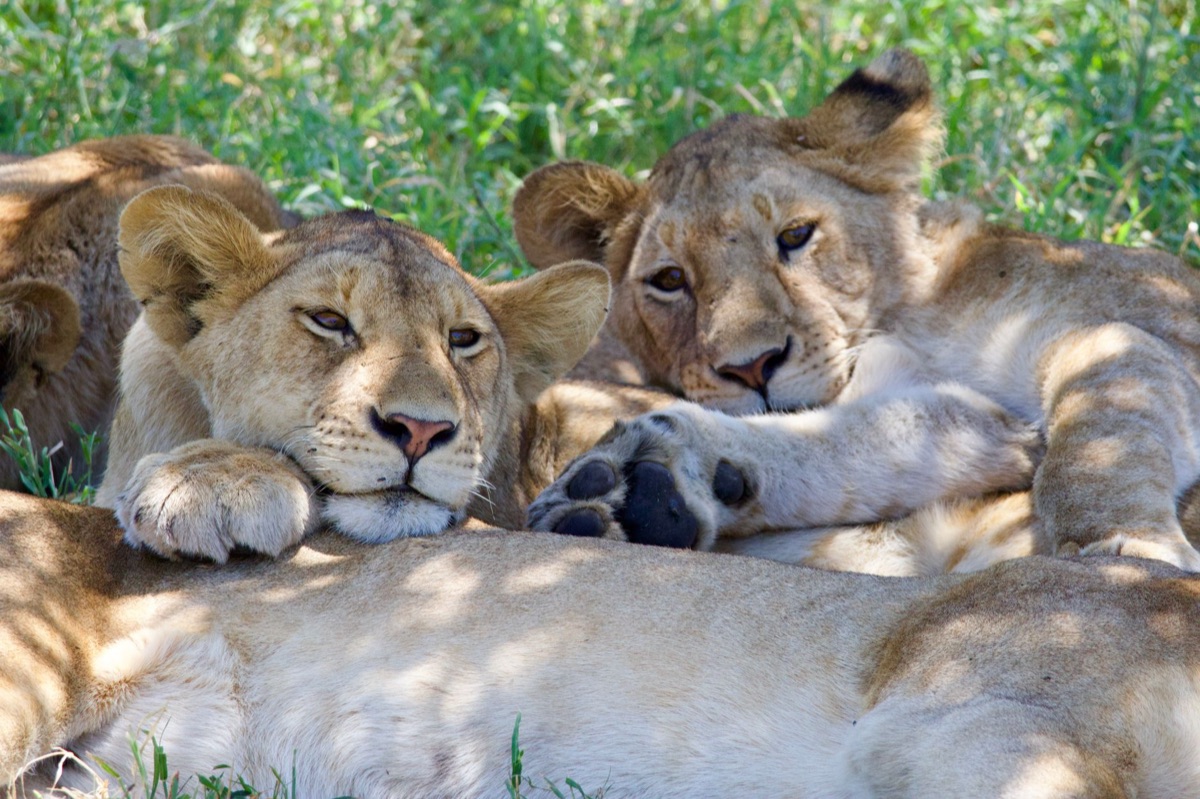
East Africa, specifically Kenya and Tanzania, offers the quintessential "Lion King" landscape with vast, open plains that make spotting predators like cheetahs and lions relatively straightforward. This is the realm of the Great Migration.
In contrast, Southern Africa—home to South Africa’s Kruger National Park and Botswana’s Okavango Delta—offers a different kind of mastery. Here, the infrastructure is often more mature, and the diversity of habitats allows for a mix of rugged bushveld and lush delta environments.
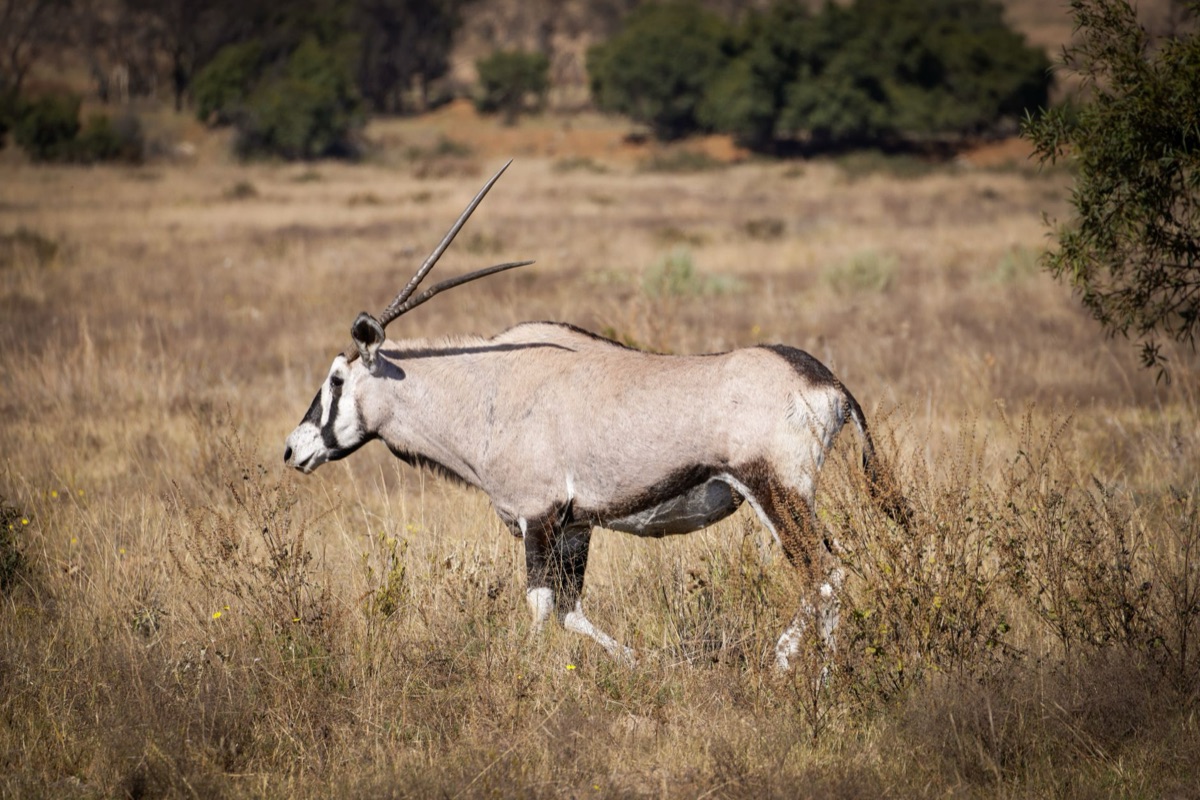
While East Africa focuses on the sheer scale of herds, Southern Africa often provides more intimate, specialized encounters with the Big Five.
The decision should hinge on your primary interest: do you want to witness the drama of mass movement, or do you prefer the tactical challenge of tracking elusive leopards through dense thickets?
But even once you pick a region, the calendar becomes your most difficult opponent.
When is the best time for my safari? The sun rose over the Mara River in July 2025, casting long shadows that blurred the line between the golden grass and the dark water. I watched through binoculars as a group of wildebeest stood frozen, waiting for the exact moment to plunge into the crocodile-infested depths.
To design a successful route, you must master the Great Migration calendar. This is not a static event but a moving target. Typically, the herds move from the southern Serengeti in Tanzania up toward the Maasai Mara in Kenya.
Between January and March, the calving season occurs on the southern plains of the Serengeti. By June and July, the herds move north toward the river crossings in the Mara.
Beyond the migration, seasonality affects every sighting. In the dry season (typically June through October in East Africa), animals congregate around dwindling water holes, making them much easier to spot.
In the wet season, the landscape turns lush and green, and while the animals are more active, they are also more dispersed and harder to find.
| Season | Primary Activity | Viewing Probability |
|---|---|---|
| Dry Season (June–Oct) | River crossings & water hole sightings | High (Animals are concentrated) |
| Wet Season (Nov–May) | Bird watching & lush landscapes | Moderate (Animals are dispersed) |
| Shoulder Season | Optimal balance of weather and crowds | High (Best for photography) |
However, knowing the season is only half the battle; you actually have to map the movement.
How do I plan the perfect route? The engine of the Land Cruiser hummed a steady rhythm as we crossed the border in August 2025, the transition from one national park to the next feeling like moving between two different worlds.
A common mistake is trying to see too much at once. A "must-see" circuit often looks like a loop: starting in an entry city like Nairobi or Arusha, moving through a series of lodges that follow the migration path, and ending with a coastal or mountain buffer.
For example, a classic Tanzanian circuit might move from Tarangire to Ngorongoro Crater, and finally to the Serengeti.
You must balance driving time against game drive quality. If you spend six hours every day in a vehicle moving between parks, you will arrive at your destination too exhausted to enjoy the wildlife.
A well-designed itinerary includes "buffer days"—days where you stay in one lodge for three nights instead of moving every single night. This allows you to actually learn the local terrain and build a rapport with your guide.
But what happens when you finally step out of the vehicle?
Beyond the Game Drive: Enhancing Your African Experience
The smell of crushed wild sage filled the air as our guide motioned for us to step out of the vehicle. We weren't just looking for animals; we were learning the language of the bush.
While the Big Five (lion, leopard, elephant, rhino, and buffalo) are the primary draws, the best safaris offer more. You can balance high-intensity tracking with cultural immersion.
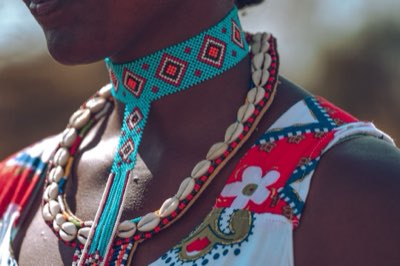
Visiting a Maasai village in Kenya or a Zulu community in South Africa provides a human context to the vast landscapes you are traversing.
For those seeking a different pace, consider specialized activities. A hot air balloon safari over the Serengeti at dawn offers a bird's-eye view of the plains that no jeep can match.
Alternatively, a walking safari led by an armed ranger provides a sensory-heavy experience, teaching you to identify tracks, dung, and bird calls that are invisible from a vehicle.
This leads to the most practical question of all: how do you actually organize the logistics?
Logistical Backbone: Accommodations & Ground Support
The evening air in the luxury tented camp was cool, and the sound of distant hyena laughter drifted through the canvas walls. It felt both wild and incredibly secure.
Lodges generally fall into two categories: luxury tented camps and permanent lodges. Tented camps offer an immersive, "glamping" style experience that brings you closer to nature, often moving seasonally to follow the migration.
Permanent lodges offer more solid infrastructure, often featuring pools, spas, and formal dining.
Proximity is the most critical factor when booking. If you are in the Serengeti during the migration, your lodge should be positioned within a reasonable distance of the active herds to minimize transit time. Always verify what is included in your booking.
High-end safari packages should include all meals, specialized field guides, and often the bush flights that connect remote parks.
To ensure your trip goes smoothly, follow this planning checklist:
- Define your primary objective: Decide if you are prioritizing the Great Migration (East Africa) or the Big Five (Southern Africa).
- Sync with the calendar: Map your arrival dates against the specific months of the dry or wet seasons.
- Calculate transit times: Ensure no single transfer exceeds four hours without a significant break or a luxury destination at the end.
- Verify inclusion lists: Confirm that bush flights, park fees, and specialized guides are included in your final quote.
- Build in buffer days: Schedule at least one night of rest for every three nights of active driving.
#

Comments 0