7-Day Kenya Safari: See Migration or See Elephants
The dust of the Mara rises in a golden haze as a thousand wildebeest thunder toward the river, a primal rhythm that defines the very soul of the African wilderness.
Kenya is not merely a destination; it is the theater where the greatest drama on Earth unfolds. For travelers seeking the heartbeat of the wild, understanding the intersection of seasonal cycles and regional geography is the difference between seeing a landscape and witnessing a masterpiece.
* Timing is everything: The Great Migration reaches its peak intensity in the Maasai Mara between July and October. * less crowded, more affordable, and excellent for photography, though migration sightings may be more localized. * Diversify your itinerary: Balance the high-density action of the Maasai Mara with the elephant-rich plains of Amboseli or the rugged vastness of Tsavo.
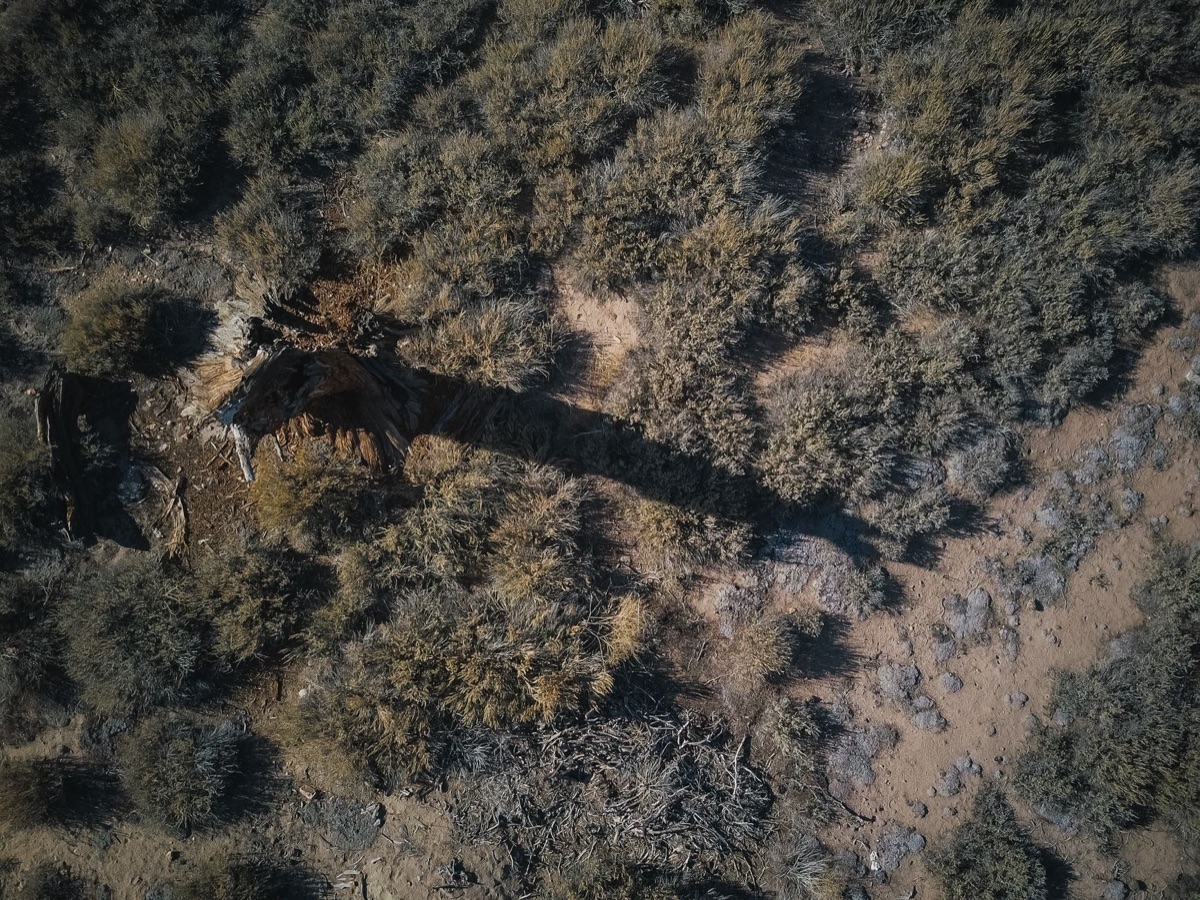
When is the best time for my Kenyan safari? The sun begins to crest over the horizon at 6:00 AM, casting long, amber shadows across the acacia trees as the first engines of a safari vehicle rumble to life.
In the quiet of the early morning, you can almost feel the tension in the air—the anticipation of a season that has repeated for millennia.
The "Golden Era" of a Kenyan safari is defined by the Great Migration, a relentless cycle of movement driven by the search for fresh grazing lands. The peak window typically falls between July and October.
During these months, the herds move from the Serengeti in Tanzania into the Maasai Mara in Kenya, creating a concentrated spectacle of predator and prey.
In July, the first waves of the migration arrive, but by August and September, the density of animals reaches its zenith, making sightings of river crossings and massive herd movements almost guaranteed.
However, the calendar offers more than just one window of opportunity. The shoulder seasons—specifically January to March and November to December—provide a different kind of magic.
In the early months of the year, the weather is generally dry, making animals easier to spot around dwindling water holes.
While the massive river crossings might not be happening, the sheer abundance of newborn calves and the high activity of predators making use of easier prey offer a unique, intimate look at the cycle of life.
The timing of the migration is a complex dance of rain and grass. According to migration tracking data, the herds move in a predictable loop following the rainfall patterns of the East African circuit, ensuring that the Mara is at its most vibrant during the second half of the year.
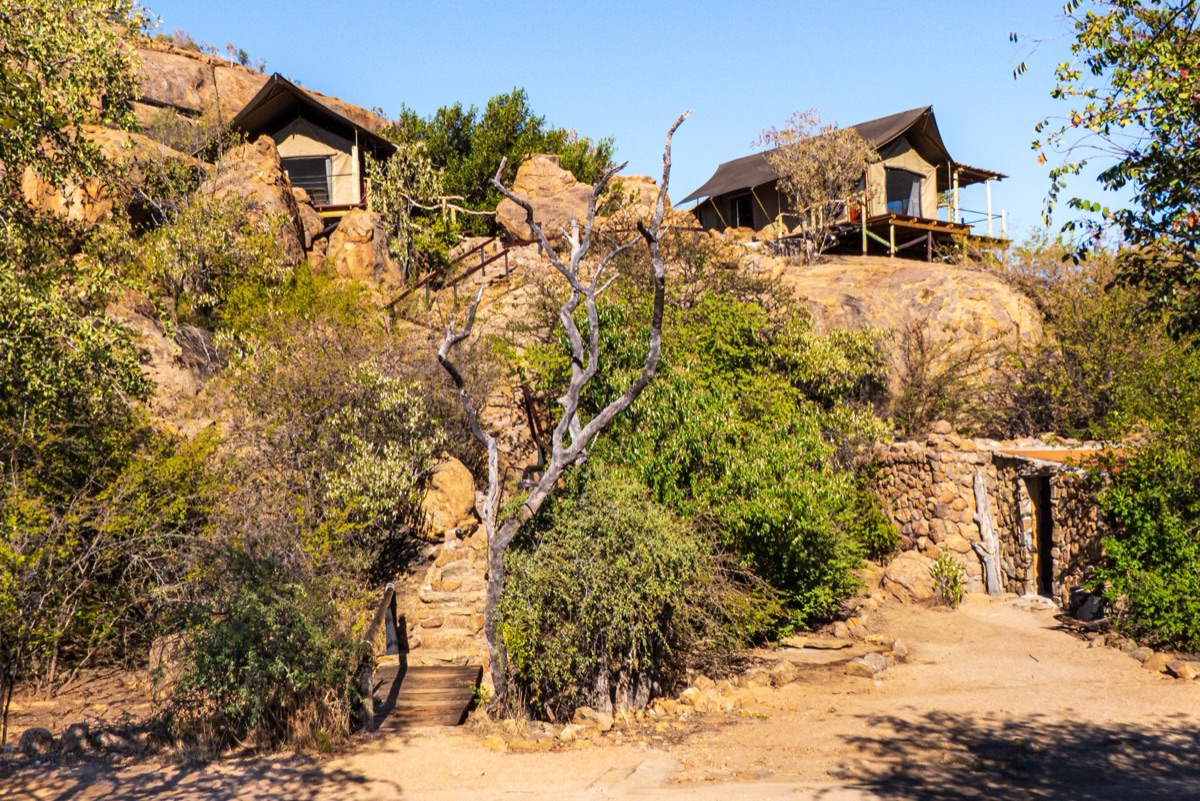
Which region should I choose for my safari? A dusty Land Cruiser bounces along a dirt track, the suspension creaking as you navigate a sudden dip in the terrain, eyes scanning the thicket for a flick of an ear or a golden tail.
Selecting the right park is a matter of deciding what kind of story you want to tell. The Maasai Mara is the undisputed heavyweight of Kenyan tourism, famous for its high density of predators and the sheer scale of the migration.
It is the place to go if you want to witness the raw, unfiltered intensity of the Great Migration. In contrast, Amboseli National Park offers a completely different visual narrative.
Dominated by the towering, snow-capped peak of Mount Kilimanjaro, Amboseli is renowned for its massive elephant herds.
The vast, flat plains provide a stark, beautiful backdrop that makes for legendary photography, though you will trade the frantic energy of the migration for more contemplative wildlife viewing.
For those seeking a more rugged and isolated experience, Tsavo East and Tsavo West offer a dramatic departure from the manicured feel of some safari circuits. These parks are vast, sometimes intimidating in their scale, and far less crowded.
The volcanic landscapes and red dust of Tsavo provide a sense of prehistoric wilderness that is hard to find elsewhere. While the migration is less of a focus here, the sheer diversity of habitats—from riverine forests to arid scrubland—ensures that the wildlife encounters are frequent and varied.
| Feature | Maasai Mara | Amboseli | Tsavo |
|---|---|---|---|
| Primary Draw | Great Migration & Predators | Large Elephant Herds | Rugged Landscapes & Diversity |
| Visual Icon | Rolling Grasslands | Mt. Kilimanjaro | Red Dust & Volcanic Terrain |
| Crowd Level | High (Peak Season) | Moderate | Low to Moderate |
| Best For | High-action wildlife | Photography & Elephants | Adventure & Isolation |
Beyond the Big Five: Deep Dive into the sender Kenyan Wildlife Experience
The smell of crushed grass and wild sage fills the air as a group of zebras trots past the vehicle, their stripes creating a dizzying optical illusion in the midday heat.
While the "Big Five" (lion, leopard, elephant, buffalo, and rhino) are the traditional targets of every safari, the true magic of Kenya lies in the complex biological narratives happening in the background.
The Great Migration is not just a parade of animals; it is a massive, synchronized biological event. The sheer ratio of wildebeest to other grazers creates a unique ecological pressure that dictates the behavior of every predator in the region.
In the Mara, you aren't just looking for a lion; you are witnessing the tactical struggle of a pride managing a moving feast of thousands.
The probability of successful sightings is often tied to habitat-specific behaviors. In the open plains of the Mara, spotting a cheetah in mid-sprint is a high-stakes game of patience.
In the more wooded areas of Tsavo or the thickets of Amboseli, the challenge shifts to spotting the elusive leopard camouflaged in the branches. Understanding these habitat nuances is key to maximizing your chances.
Beyond the animals, the cultural landscape is an inseparable part of the experience. The Maasai people, whose ancestral lands encompass much of the Mara, are not merely spectators in this wilderness.
Their presence, their traditional way of life, and their deep-seated knowledge of the land provide a human dimension to the safari.
Engaging with Maasai culture through guided walks or community visits offers a profound understanding of how humans and wildlife have negotiated coexistence for centuries.
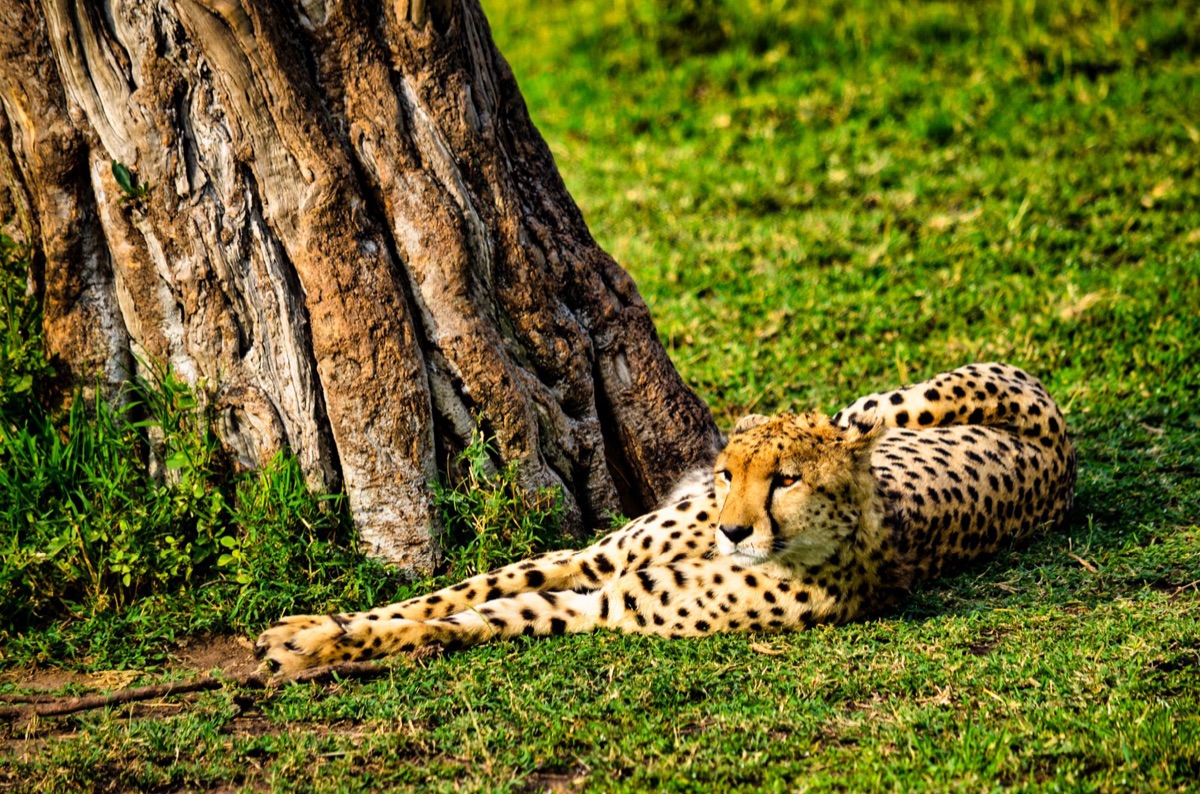
Logistics Mastery: Planning Your Perfect Safari Journey
A cold drink is handed through the window of the safari vehicle, the ice clinking against the glass as you transition from the heat of the morning drive to the shade of a luxury tented camp.
A successful safari requires a logical flow to prevent "safari fatigue." A typical high-end itinerary often begins in Nairobi, the logistical hub of East Africa. From there, travelers usually take a domestic flight directly to a bush airstrip to minimize travel time and maximize game-drive time.
A well-sequenced journey might look like this:
- Arrival & Acclimatization: Start in Nairobi to adjust to the time zone and prepare gear. 2. The High-Action Phase: Fly to the Maasai Mara for the primary wildlife spectacle. 3. The Ecological Pivot: Move to a different ecosystem, such as Amboseli, to contrast the experience. 4. The Final Descent: Conclude with a relaxing stay in a coastal area or a quieter lodge before flying home.
Your choice of accommodation will dictate the level of immersion. Luxury tented camps offer a "glamping" experience, where you are sleeping in high-end comfort but still hearing the sounds of the African night through canvas walls.
Mid-range lodges provide solid infrastructure and more permanent structures, while exclusive private conservancies offer the highest level of privacy and specialized activities, such as walking safaris or balloon safaris.
A balloon safari at sunrise is a transformative experience, providing a bird's-eye view of the migration that no ground vehicle can replicate.
Navigating the Unknowns: Essential Travel Intelligence
The weight of a heavy backpack is felt as you step off the plane, the sudden shift in temperature and the hum of the airport marking the beginning of a long-awaited journey.
Planning a trip to Kenya involves more than just picking a date; it requires practical intelligence regarding health and safety. Because you are traveling to diverse ecological zones, health precautions are non-negotiable.
Malaria prophylaxis is a standard recommendation for most safari regions, and vaccinations such as Yellow Fever are often required for entry or recommended by health authorities. Always consult a travel clinic at least two months before departure.
Safety in the bush is managed through strict adherence to guide instructions. In the wild, you are a guest in a predator's habitat. Never exit a vehicle unless your guide explicitly states it is safe, and always maintain a respectful distance from animals.
In terms of logistics, while major hubs like Nairobi are generally safe, standard travel precautions regarding petty crime apply.
Finally, consider the budget. A safari can range from a few hundred dollars a day to several thousand. High-end all-inclusive packages cover flights, meals, park fees, and activities, which simplifies planning but requires significant upfront investment.
For those on a tighter budget, mid-range lodges and group tours offer excellent value, but you must account for the extra cost of domestic flights and equipment.
#
Comments 0