Cattle as Lifeblood: Maasai Survival Through Age-Set System
"The red earth meets the red cloth, a heartbeat of survival in a changing world."
The Maasai people represent one of the most resilient cultures on earth, maintaining a deep connection to their ancestral lands through a unique social structure built on courage and cattle. Their identity is not a relic of the past, but a living, breathing contract between humanity and the wild.
* Core Values: A society centered on livestock and a respected warrior class known as the Moran. * Geography: The vast, sweeping plains of Maasai lands spanning Kenya and Tanzania. * Traveler Etiquette: Respectful engagement through local guides and adhering to community protocols is essential.
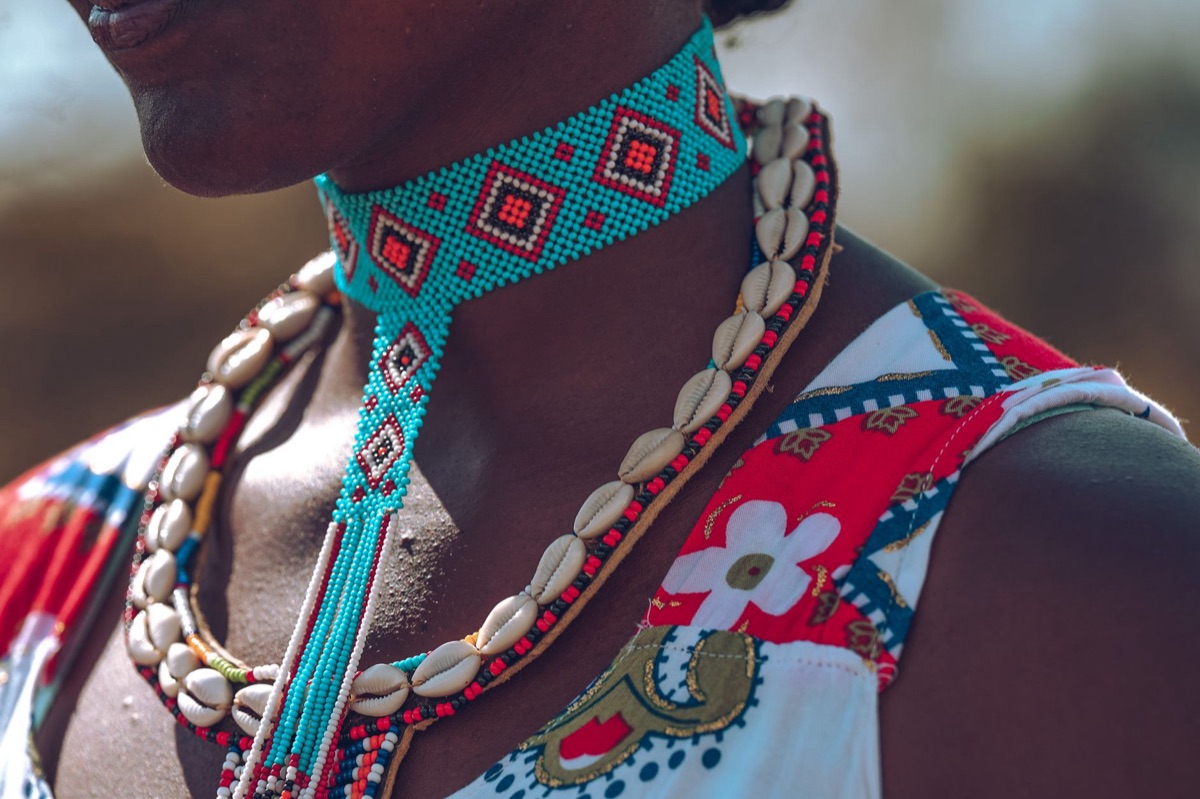
What do the red earth and red clothes mean for their identity?
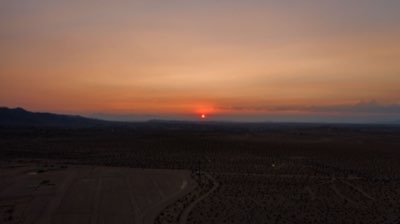
The sun hangs low over the golden savannah of the Maasai Mara, casting long shadows across the dust. A group of figures appears on the horizon, draped in vibrant red fabric that catches the fading light. Their eyes, sharp and steady, mirror the intensity of the landscape they inhabit.
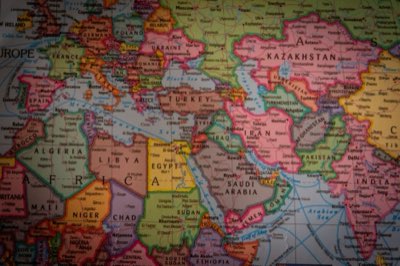
The Maasai are a nomadic people whose traditional lands span the borders of Kenya and Tanzania. For them, the color red is much more than a stylistic choice; it symbolizes courage, strength, and the lifeblood of the community. It is a visual declaration of their presence and power.
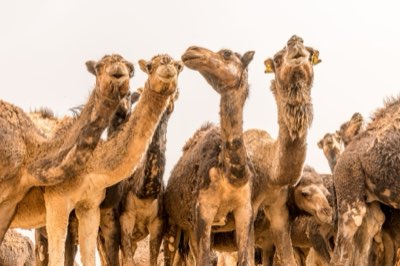
To understand this culture, one must understand the role of cattle. For the Maasai, livestock is not merely a form of wealth, but the very foundation of existence. It dictates social standing, facilitates community bonds, and serves as a bridge between generations.
The social structure is organized into age-sets, where individuals move through life stages together. This system creates a lifelong bond between peers, enough to ensure that no one faces the challenges of the wilderness alone.
This structure has allowed the community to remain cohesive even as the world around them shifts. But how does this traditional hierarchy function when faced with the pressures of 2026?
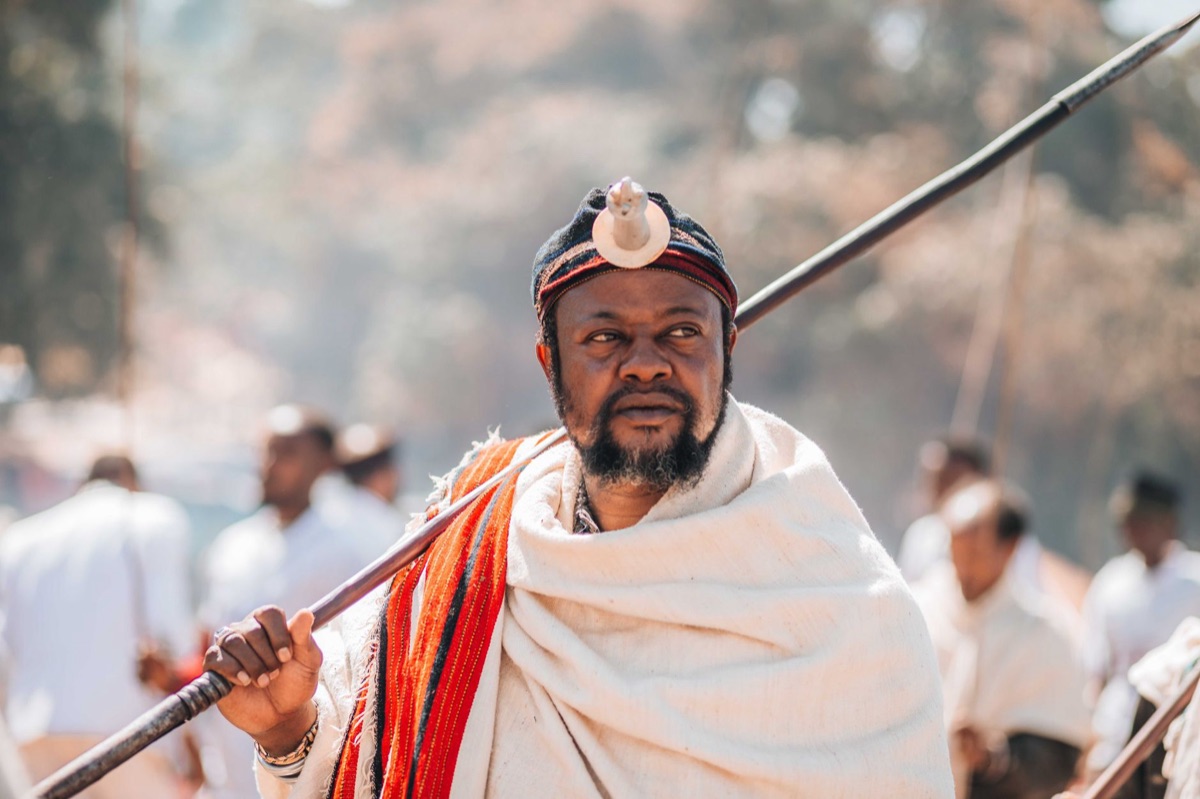
The difference between brave warriors and wise elders
Walking toward a manyatta, or traditional village, the circular arrangement of homes reveals a layout designed for protection. Even in 2026, these settlements reflect a strategic need to defend the community from both predators and outsiders.
Maasai society is primarily divided into two roles: the 'Moran' (warriors) and the 'Elders.' The Moran are responsible for the physical defense of the community and represent the strength and vitality of youth. They are the protectors of the herd and the people.
In contrast, the Elders serve as the keepers of wisdom. They handle judicial matters, mediate disputes, and ensure that traditional knowledge is passed down accurately. While the warriors provide the muscle, the Elders provide the direction.
The following elements define their social organization:
- Age-set System: Men of similar ages form a cohesive group that shares responsibilities and moves through social transitions together.
- Livestock-Based Wealth: Wealth is measured by the number of cattle owned, which is essential for marriage rites and community ceremonies.
- Communalism: The survival and well-being of the tribe always take precedence over individual interests.
This hierarchy was an efficient survival mechanism for life on the open plains. Yet, these roles are expressed through much more than just social rules; they are visible in every ritual and piece of art.
What is the meaning behind the dances, songs, and beadwork? In the center of the village, women sit in circles, their hands moving with practiced precision as they weave intricate beadwork. Despite the midday heat, their focus remains unbroken, creating patterns that tell a story.
Ritual is expressed through movement and sound. The 'Adumu,' a traditional jumping dance performed by warriors, is a breathtaking display of stamina and strength. It is a moment where the community can witness the vitality of its protectors.
The beadwork created by women is equally significant. It is not merely decorative; the specific colors and patterns indicate the wearer's age, marital status, and social standing within the community.
The symbolic language of the Maasai can be summarized as follows:
| Element | Meaning and Role | Characteristic |
|---|---|---|
| Red Color | Courage, strength, and life | The primary symbolic color |
| Beadwork | Social status and artistry | Intricate patterns denoting identity |
| Staff and Spear | Authority and protection | Symbols of male identity |
| Cattle | Foundation of wealth and life | The central axis of existence |
These symbols define how the Maasai perceive their place in the world. However, looking across the plains today, one sees that traditional red cloth now shares the horizon with much newer sights.
Living on the edge of tradition and modernity
On the outskirts of a village, a solar panel might catch the sun, or a young person might be looking at a smartphone. These sights, once rare, have become part of the daily reality for many families in 2025 and 2026.
Modern Maasai life involves a constant balancing act between nomadic traditions and the pull of a globalized world. Many young people attend school and seek employment in urban centers, yet they often return to their villages to participate in essential community rites.
The tension between these two worlds creates unique challenges for the community.
* Land Rights: The establishment of national parks and modern land boundaries often encroaches on traditional grazing lands. * Education vs. Tradition: Integrating modern education with the traditional age-set system is a complex, ongoing process. * Economic Independence: Balancing the tourism industry with the need to maintain a self-sufficient, traditional economy is a constant struggle.
Despite these shifts, the core identity of the Maasai remains resilient, often evolving to incorporate new tools without losing its essence. For travelers, this brings up an important question regarding how to visit respectfully.
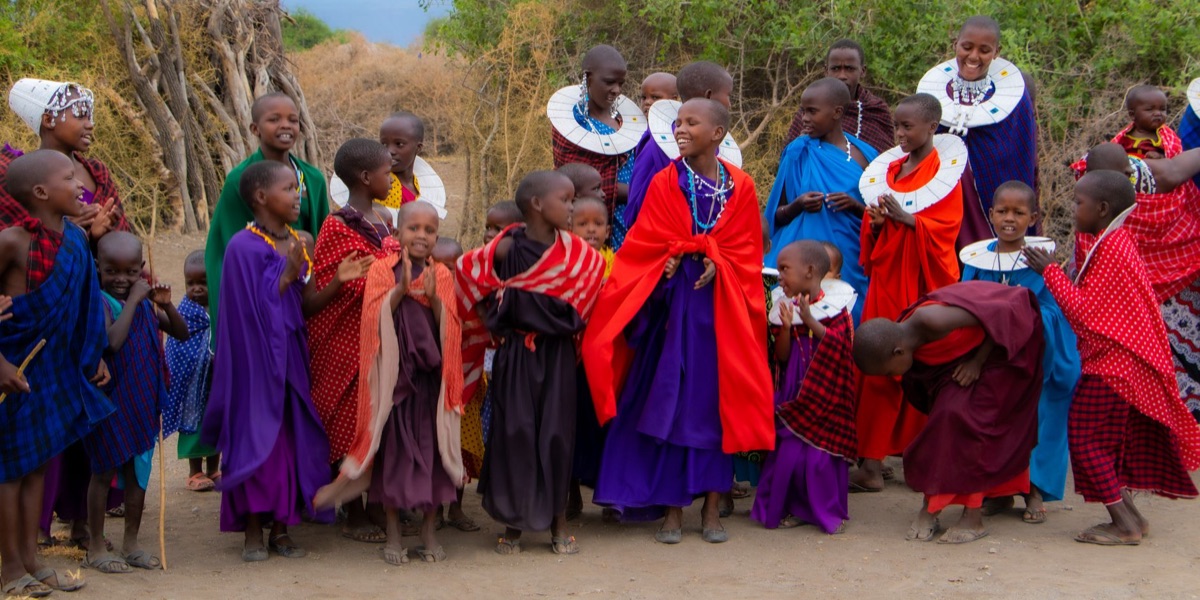
A guide to cultural respect and responsible travel
Visiting a Maasai community requires looking beyond mere curiosity. It requires a deep, fundamental respect for a way of life that is often vastly different from a visitor's own.
It is vital to enter a village through official channels or with the explicit permission of local leaders. Entering private living spaces without an invitation is considered highly disrespectful.
Here are practical tips for traveling with respect:
- Use Local Guides: Always travel with an authorized guide or someone recognized by the village elders.
- Photography Etiquette: Always ask for permission before taking a photo of an individual. This is especially important when photographing women and children.
- Dress Modestly: While there is no strict dress code, wearing modest clothing shows respect for local customs and prevents discomfort.
- Support Local Artisans: Purchasing beadwork directly from the women who made it is a meaningful way to contribute to the local economy.
Experiencing this culture is not about being a spectator; it is about engaging with a living community.
Preparing for your journey to Maasai lands
A trip to these regions is both a physical trek and a mental journey. Whether heading toward the Maaserville areas of Kenya or the Tanzanian highlands, preparation is key to a successful visit.
Planning your trip requires looking at the environmental realities of the region.
* Best Time to Visit: The dry season (typically June through October) offers clear skies and active wildlife, making it ideal for both cultural and safari experiences. * Essential Packing: Bring a wide-brimmed hat, high-SPF sunscreen, a light scarf to protect against dust, and durable walking shoes. * Health Precautions: Consult a doctor regarding malaria prophylaxis and always carry a personal first-aid kit. Ensure you have access to clean water through portable filtration tools. * Currency: Many small villages do not accept credit cards. Always carry enough local cash for small purchases and guides.
Proper preparation allows you to spend less time worrying about logistics and more time connecting with the people you meet.



Comments 0