Africa Travel Checklist: Visa to Yellow Fever Shots Needed
"The difference between a life-changing adventure and a logistical nightmare lies entirely in the documents you carry before you even step on the plane."
Planning your first trip to Africa often feels like trying to map a moving target. Between shifting visa policies, complex health requirements, and the sheer scale of the continent, the volume of "what-ifs" can stall even the most seasoned traveler.
* Visa/Entry Requirements: Always verify specific country needs months in advance, as e-Visa and embassy rules vary wildly. * Health Protocol: Yellow Fever certificates are often mandatory for entry, and malaria prophylaxis is a non-negotiable necessity in many regions. * Travel Insurance: Standard policies often fail in remote areas; you must ensure coverage includes emergency medical evacuation. * Logistics: Pre-booking specialized tours, such as safari or gorilla trekking, is essential due to limited availability and seasonal constraints.
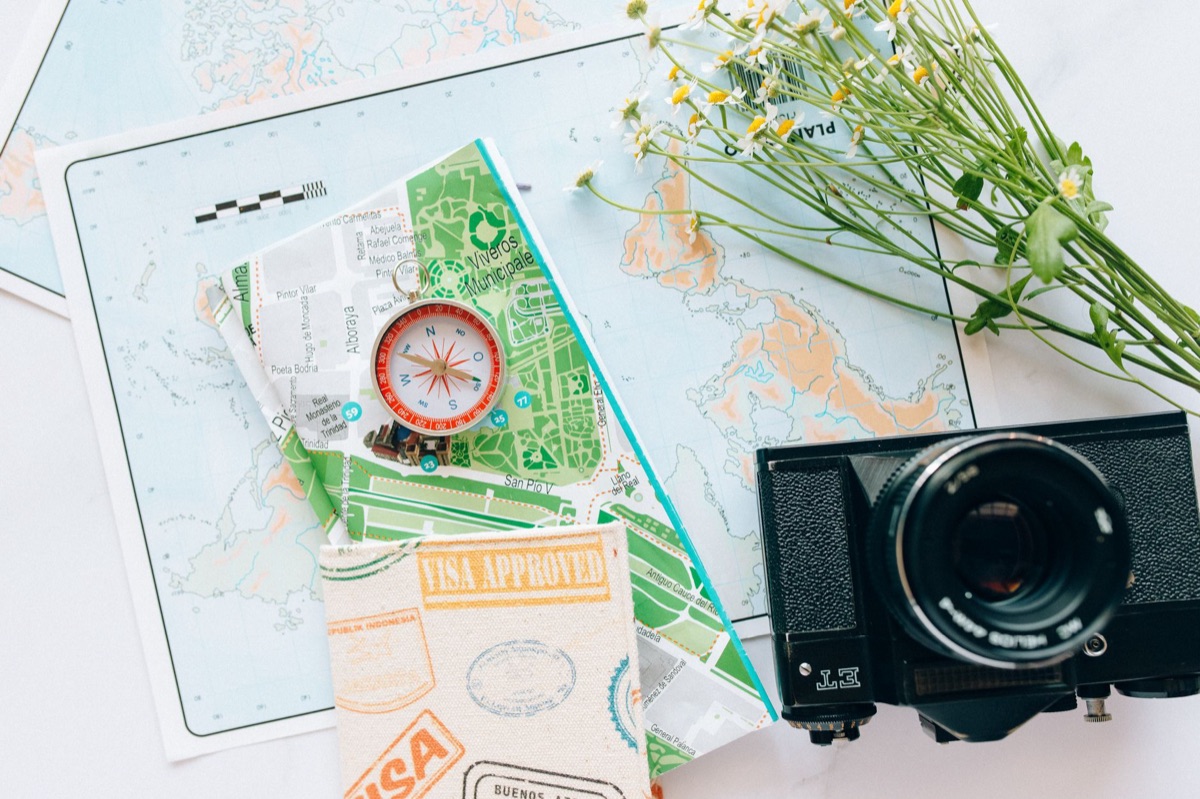
Why is pre-trip planning non-negotiable for Africa?
I remember sitting in a quiet cafe in Nairobi on a Tuesday morning in 2025, looking at a stack of printed documents and feeling a sudden wave of vertigo. The steam from my coffee rose in thin ribbons, and the sound of distant traffic hummed through the window.
I had my flight booked and my binoculars packed, but looking at the various entry requirements for my next three border crossings, I realized that a single missing paper could end the trip before it truly began.
Relying on general assumptions is a recipe for being turned back at a border.
Furthermore, the stakes of preparation are higher than in Europe or North America. In many regions, health risks are not just inconveniences but significant hurdles.
A mistake in timing—such as arriving in a malaria-heavy zone without proper prophylaxis or missing a seasonal window for the Great Migration—can render a massive financial investment useless.
There is also the critical issue of the "insurance gap." Many travelers assume their standard credit card travel protection is sufficient. However, in remote locations where a medical emergency might require a private helicopter extraction, standard coverage often falls short.
Without specialized insurance, a single health crisis can lead to catastrophic financial loss.
How can I stay healthy and safe on my adventure? The sun beat down on the tarmac at Entebbe International Airport as I waited for my vaccination records to be verified, the weight of my medical folder feeling heavier than my actual luggage.
It was a quiet moment of realization: my health was just as much a part of my travel documents as my passport.
Your health is your most valuable asset when navigating remote landscapes. Vaccination requirements often fall into two categories: mandatory and recommended. For many African nations, a Yellow Fever vaccination certificate is a legal requirement for entry.
Without that small, yellow booklet, you may be denied boarding or forced into quarantine upon arrival.
Malaria remains a significant concern in many safari-heavy regions. Consulting a travel medicine specialist is essential to determine which prophylaxis—such as Malaria tablets—is right for your specific itinerary.
These medications often require a strict dosing schedule that begins before you arrive and continues after you leaves.
Beyond vaccinations, daily hygiene is a constant tactical decision. Traveler’s diarrhea is a common disruption. Stick to bottled water, avoid ice in unregulated areas, and ensure all food is served hot.
While these seem like basic rules, they are the frontline of defense against losing precious days of your itinerary to illness.
But even with a perfect health record, the logistics of moving between countries can still derail your plans.
How do I get all my paperwork right? I stood in a long queue at a government office in Kigali, watching the clerk meticulously stamp documents, realizing that patience is a logistical requirement. If I hadn't arrived three weeks early to handle these formalities, I wouldn't be standing here now.
Successful logistics require a clear timeline. For many countries, you should begin the visa application process at least four to six weeks before your departure to account for processing delays.
If your itinerary involves multiple countries, create a master calendar that tracks each specific entry requirement.
Your travel insurance must be robust. It is not enough to cover lost luggage or flight delays.
You must verify that your policy specifically includes "emergency medical evacuation." If you are on a safari in a remote part of Botswana or Kenya, the cost of being airlifted to a major hospital can reach tens of thousands of dollars.
Financial management also requires a dual approach. While digital payments are growing, many regions still rely heavily on cash. Always carry a buffer of local currency and USD, but also ensure you have access to ATMs.
It is wise to notify your bank of your travel plans to prevent your cards from being frozen during an international transaction.
Connectivity is the final piece of the logistical puzzle. While major cities have excellent 4G/5G coverage, remote lodges often rely on satellite or limited local networks.
Purchasing a local SIM card upon arrival is often more reliable and cheaper than international roaming, but always download offline maps for your primary destinations before you lose signal.
The logistics are heavy, but the physical preparation is where the real trouble often starts.
Packing essentials: Beyond the passport
I looked at my suitcase, which was half-empty, and realized that I had packed for a mountain trek when I was actually heading to a humid savanna. It was a humbling lesson in the importance of matching my gear to my actual environment.
Effective packing is about versatility and environmental awareness. You must pack for the specific biome you are visiting. A desert trek requires entirely different gear than a mountain safari or a coastal exploration.
| Category | Essential Items | Purpose |
|---|---|---|
| Clothing | Moisture-wicking layers, light trousers, versatile jackets | Temperature regulation and insect protection |
| Safari Gear | Binoculars, neutral-colored clothing, wide-brimmed hat | Wildlife viewing and sun protection |
| Tech Prep | Universal power adapters, high-capacity power banks | Keeping devices charged in remote areas |
| Medical Kit | Rehydration salts, antiseptic, basic pain relief | Immediate response to minor issues |
When selecting clothing, remember that "safari colors"—khaki, olive, and tan—are not just for aesthetics; they help you blend into the environment and don't show dust as easily. Avoid dark blues and blacks, which can attract biting insects.
Your tech kit should be rugged. Power outages can be common in remote lodges, so a high-capacity portable charger is a necessity. Additionally, ensure you have a universal power adapter that can handle various plug types found across the continent.
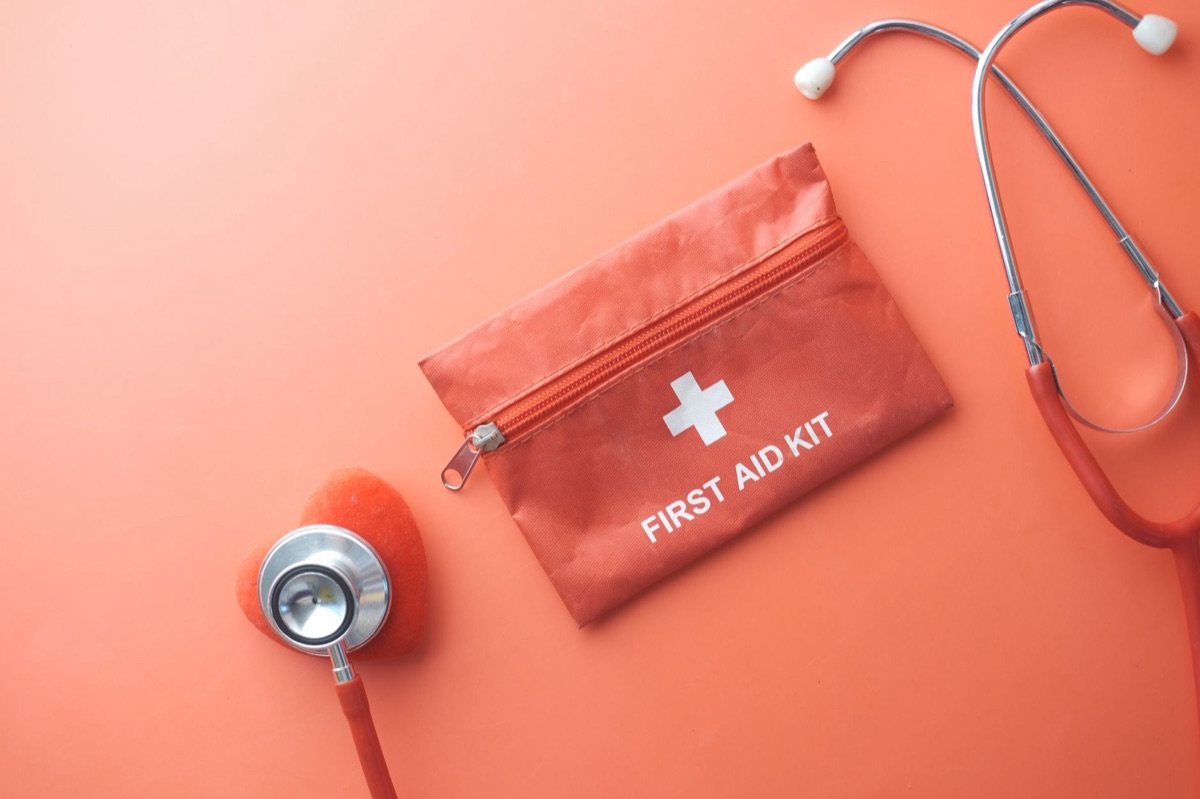
Finally, a well-curated contingency kit is vital. This should include high-quality insect repellent, basic first-aid supplies, and extra copies of your digital and physical documents. Having these items organized and easily accessible can turn a minor inconvenience into a non-issue.
But once you have the gear and the papers, the final question remains: where do you actually go?
Destination decision: Where should I go first?
I sat on a balcony overlooking the vast plains of the Serengeti, wondering which direction to head next. The sheer variety of the continent makes choosing a starting point feel like an impossible task.
According to the World Travel & Tourism Council (WTTC), the tourism industry directly contributed R102 billion to South Africa's GDP in 2012.
Choosing your first destination depends entirely on your travel style. If you want ease of access and high-end infrastructure, South Africa is often the perfect entry point. It offers a mix of urban sophistication and world-class wildlife viewing.
If you are looking for the classic "Lion King" experience, Kenya or Tanzania should be at the top of your list.
| Interest | Recommended Destination | Why? |
|---|---|---|
| Wildlife/Safari | Kenya or Tanzania | Home to the Great Migration and iconic megafauna. |
| Urban & Nature Mix | South Africa | Diverse landscapes, from Cape Town to Kruger National Park. |
| Culture & Landscapes | Morocco | Unique architecture, markets, and desert experiences. |
Ultimately, your first trip should be a balance of excitement and manageable logistics. Start with a destination that has established tourism infrastructure to build your confidence.
To make sure you don't miss a single detail, follow this pre-departure checklist:
- Verify Visas: Check the specific requirements for every country on your itinerary at least 8 weeks before departure.
- Health Check: Schedule a consultation with a travel clinic and secure all necessary vaccinations and prescriptions.
- Insurance Audit: Confirm your policy covers emergency medical evacuation and contact information for the provider is printed and accessible.
- Digital Backup: Scan all passports and health documents and upload them to a secure cloud and a physical USB drive.
- Gear Test: Pack and test all electronic devices and power adapters to ensure they work with local voltages.


Comments 0