Serengeti Beyond: Experience Tanzania's Diverse Ecosystems
"The Serengeti is just the beginning of a story written in stone and dust."
If you think a safari is just about seeing a lion in a jeep, you haven't truly traveled to East Africa. While many travelers settle for the well-trodden paths of Kenya, those who push further into Tanzania discover a world where geology and biology collide in spectacular ways.
Key Takeaways * Tanzania offers a vastly more diverse geological landscape, from volcanic craters to vast rift valleys, compared to the more uniform plains of Kenya. * The Great Migration is a continuous cycle that requires understanding specific Tanzanian park structures to time correctly.
* Beyond wildlife, the country provides a deep ecological narrative that connects the movement of animals to the very earth beneath them. * Planning requires a strategic approach to sequencing parks to maximize both wildlife density and logistical ease.
Why Choose Tanzania Over Kenya for Your First African Safari?
The sun rose over the acacia trees, casting long, thin shadows that stretched across the golden grass of the plains.
I sat in the passenger seat of a dusty Land Cruiser, watching a group of zebras graze, wondering if the vastness of this landscape felt different from the parks just across the border.
While Kenya often serves as the gateway to Africa due to its accessibility and the famous Maasai Mara, Tanzania offers a profound geological depth that changes the way you view wildlife. The Great Rift Valley doesn't just sit on the surface here; it defines the very bones of the country.
This tectonic activity created the massive volcanic calderas and highland plateaus that make Tanzanian ecosystems so much more varied than the relatively flat expanses often found in neighboring regions.
In Kenya, you often find yourself in a single, sweeping ecosystem. In Tanzania, you transition from the endless plains of the Serengeti to the prehistoric, enclosed world of the Ngorongoro Crater.
This variety means you aren't just seeing animals; you are seeing how animals adapt to wildly different topographical realities. While the Maasai culture is vibrant in both nations, the scale of the Tanzanian wilderness often allows for a more profound sense of isolation and immersion in the wild.
Should I visit the Serengeti or somewhere else? The engine of the safari vehicle hums low as we descend the steep, winding rim of a massive volcanic crater, the air growing cooler and the vegetation turning a lush, deep green.
The Serengeti is often the headline act, but it is part of a much larger ecosystem. The Serengeti National Park itself offers vast, open vistas that allow for the classic "endless plain" experience, but it is often just one chapter of a larger journey.
To truly understand the scale of the wild, you must look to the parks that sit alongside it.
The Ngorongoro Crater is a masterpiece of natural containment. This massive caldera acts as a natural enclosure, concentrating wildlife within a relatively small area. This makes it one of the best places in Africa to see high densities of animals, including the rare black rhino, in a single day.
Unlike the vastness of the Serengeti where you might drive for hours between sightings, the Crater offers a concentrated, almost theatrical viewing experience.
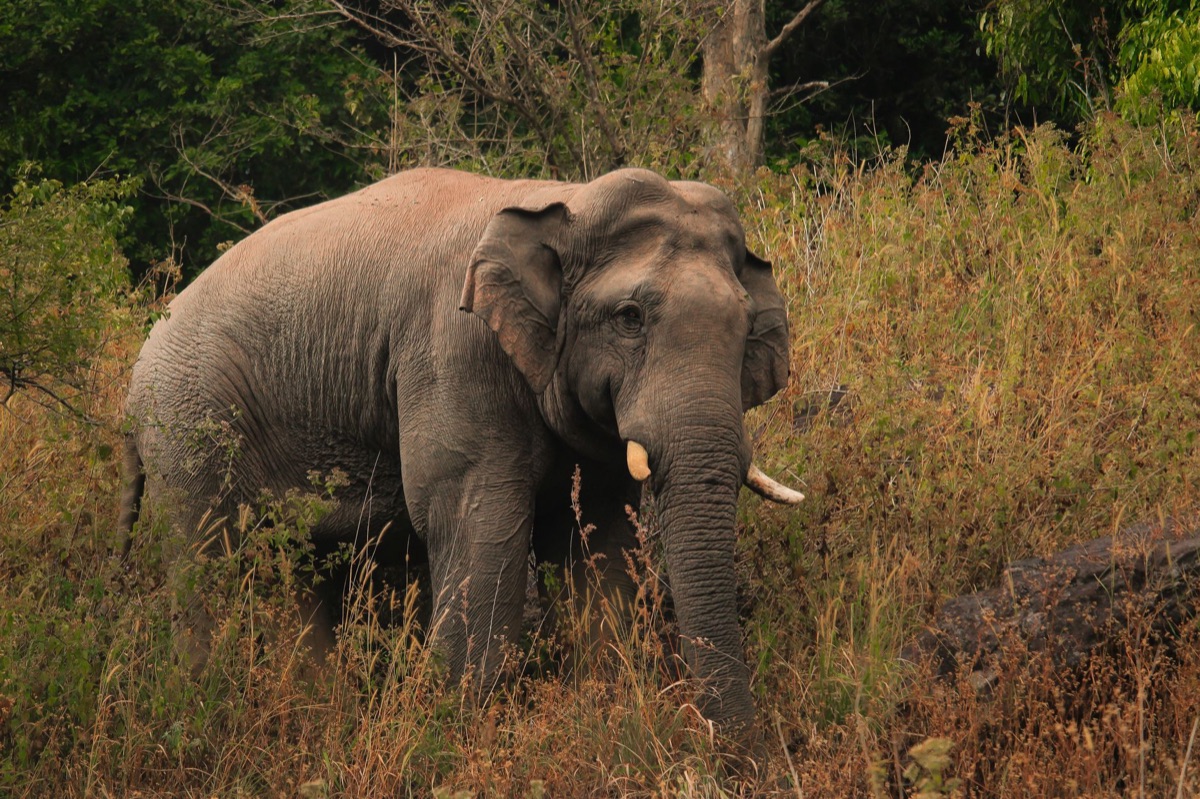
To make the most of a Tanzanian expedition, you must sequence your trip logically. A common and effective route follows this progression: 1. Arusha/Tarangire: Start with the elephant-rich landscapes of Tarangire to acclimate to the bush. 2.
Ngorongoro Crater: Move to the highlands for high-density wildlife viewing. 3. Serengeti National Park: Head to the plains to follow the migration or track large predators. 4.
Coastal Transition: Depending on your timeline, transition to Zanzibar or the coast for a complete sensory shift.
What makes up a true Tanzanian safari? A single footprint in the soft, red volcanic ash tells a story of a predator that passed by only hours ago, a silent testament to the constant cycle of life and death.
While everyone hunts for the "Big Five," the true magic of Tanzania lies in the specific behavioral dynamics created by its unique geography.
In the Serengeti, you aren't just looking for a lion; you are witnessing the predator-prey relationship on a scale that is almost impossible to grasp elsewhere. The way wildebeest navigate the river crossings or how cheetahs use the low scrub for cover is a direct result of the terrain.
The geological context is vital. The movements of the Great Migration are not random; they are dictated by the availability of water and seasonal grasses that flourish due to the volcanic soil. To time your trip correctly, you need a clear understanding of the migration's seasonal flow.
| Season | Primary Focus | Probability of Major Sightings |
|---|---|---|
| January - March | Calving Season (Southern Serengeti) | High (Newborns & Predators) |
| April - May | Green Season (Rainy Period) | Moderate (Lush Landscapes) |
| June - July | Northern Migration (River Crossings) | Very High (Drama) |
| August - October | Dry Season (Waterhole Gatherings) | Very High (Easy Viewing) |
| November - December | Short Rains/Transition | Moderate |
Planning Your Journey: Logistics & Immersion
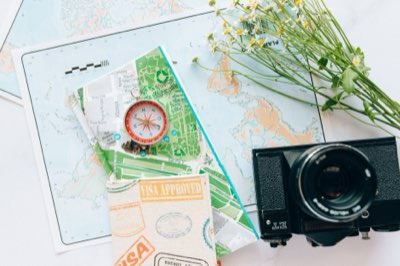
The smell of strong coffee mixes with the scent of wild sage as we prepare our gear in the early morning light, checking maps and water supplies before the heat of the day sets in.
Planning a deep-dive safari requires more than just booking a flight. Because of the vast distances and varying terrain, you must prepare for both physical and logistical challenges.
Pre-Trip Essentials * Health: Malaria prophylaxis is essential. Consult a travel clinic regarding Yellow Fever vaccinations, as these are often required for entry or transit. * Visas: Ensure you have your Tanzanian e-visa processed well in advance. * Gear: Pack layers.
The difference between a chilly morning in the Ngorongoro highlands and a hot afternoon in the Serengeti can be extreme.
Accommodation Styles You will generally choose between luxury lodges and tented camps. Lodges offer solid walls, hot showers, and permanent structures, often located on the edges of parks.
Tented camps provide a more immersive experience, placing you directly in the heart of the wildlife sounds, often using high-quality canvas structures that mimic a more rugged, traditional safari feel.
Budgetary Sequencing A realistic budget should account for: * Park Fees: These can be significant and vary by park. * Vehicle Hire: Private 4x4 vehicles are the standard for flexibility. * Guides: Professional, experienced guides are non-negotiable for a successful safari.
* Contingency: Always keep a reserve for internal flights or unexpected changes in itinerary.
Cultural Echoes: Life Alongside Wildlife
The sound of rhythmic drumming drifts from a nearby village, a heartbeat that seems to sync with the pulsing energy of the surrounding wilderness.
Tanzania is not a vacuum of empty space; it is a lived-in landscape. Many of the world's most famous parks exist alongside indigenous communities, such as the Maasai. Engaging with these communities requires respect and a mindful approach.
It is best to participate in community-led tours that ensure your presence provides direct economic support to the local people.
The intersection of human life and wildlife is a delicate balance. In areas like the Ngorongoro Conservation Area, pastoralists live alongside wildlife. This creates a unique social and ecological dynamic that is central to the Tanzanian experience.
Understanding this human element—how people manage cattle, water, and territory in such a wild setting—adds a profound layer of meaning to your journey. #
Comments 0