Safari Decision: 50-60 Characters to Find Your Ideal Trip
"The dust of the Serengeti and the golden plains of the Mara are calling, but they speak different languages."
Choosing between Kenya and Tanzania is the most significant decision you will make when planning an African safari. While they share the iconic Great Migration and sprawling savannahs, the logistics, the "feel" of the wilderness, and the cultural immersion differ wildly.
Key Takeaways
* Choose Kenya if: You want a diverse itinerary that blends world-class wildlife with easy access to the Indian Ocean coast and more straightforward logistics. * Choose Tanzania if: Your soul is set on the raw, epic scale of the Serengeti and the geological wonder of the Ngorongoro Crater. * Timing is everything: The Great Migration is a moving target; your choice of country depends on whether you want to witness calving or the dramatic river crossings. * Budget and Scale: Kenya often offers a more streamlined, accessible luxury, while Tanzania provides a sense of vast, remote immersion.
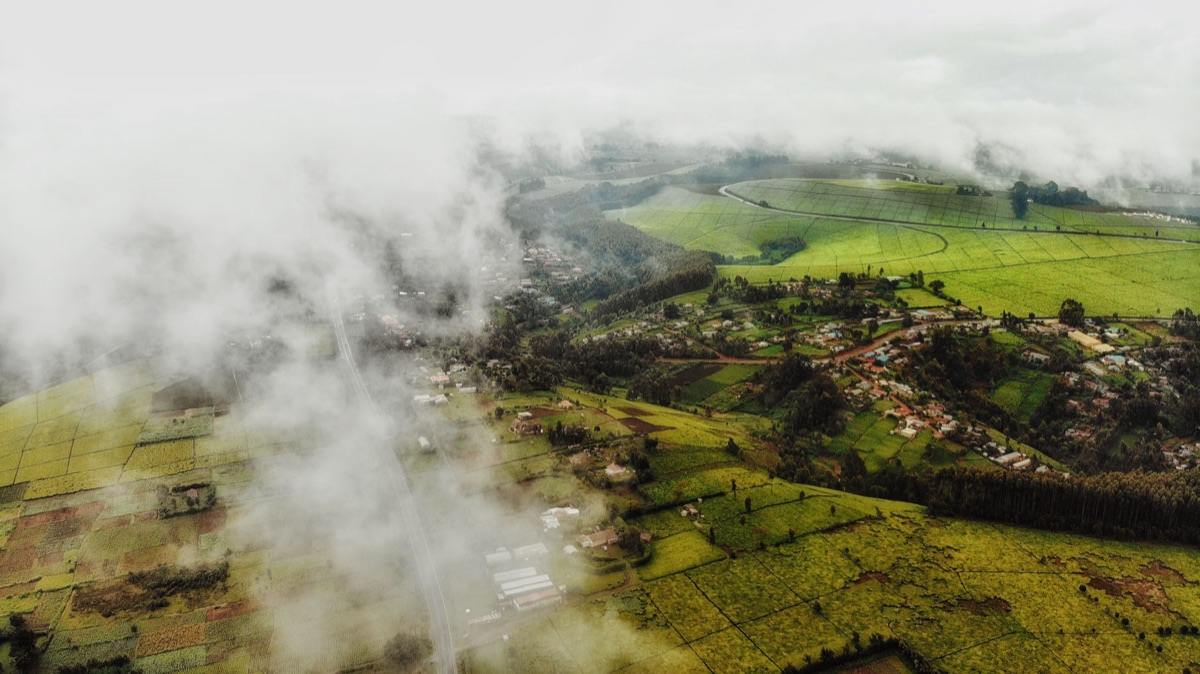
Where is the heart of the action? The sun rises over the acacia trees, casting long shadows across a landscape that feels both ancient and alive. You sit in an open-top Land Cruiser, the engine idling quietly, as a pride of lions watches you from the tall grass.
Tanzania’s primary draw is the sheer, overwhelming scale of the Serengeti ecosystem. It is one of the largest and most intact wilderness areas on the planet.
Kenya, on the other hand, offers a different kind of diversity. The Masai Mara is the northern extension of the Serengeti ecosystem, and while it shares the same wildlife, the landscape and the ease of access create a different vibe.
Kenya’s parks often feel more integrated with the surrounding culture and varied landscapes. You aren't just driving through a park; you are moving through a living tapestry where the Maasai people and the wildlife have coexisted for centuries.
The Great Migration is the deciding factor for many. The herds move in a massive loop between the Serengeti in Tanzania and the Masai Mara in Kenya. If you want to witness the calving season, you might head to the southern Serengeti.
If you are hunting for the heart-pounding drama of the Mara River crossings, you will likely find yourself in Kenya. Understanding this cycle is the difference between a good trip and a life-changing one.
When it comes to the Big Five—lion, leopard, elephant, buffalo, and rhino—both countries deliver. However, the encounter rates and the "feeling" of the hunt differ. In Kenya, the Mara often provides highly concentrated sightings due to the more contained nature of the reserves.
In Tanzania, the sheer size of the parks means you might travel further to find the same density, but the sense of discovery is often much higher.
| Feature | Kenya (Masai Mara) | Tanzania (Serengeti/Ngorongoro) |
|---|---|---|
| Primary Vibe | Accessible, diverse, and culturally integrated. | Raw, vast, and epic wilderness. |
| Migration Focus | Dramatic river crossings and high density. | Calving and massive, sprawling herds. |
| Logistics | Generally easier and more streamlined. | Can be more complex and remote. |
| Landscape | Rolling hills and iconic acacia trees. | Infinite plains and volcanic craters. |
But the animals are only half the story.
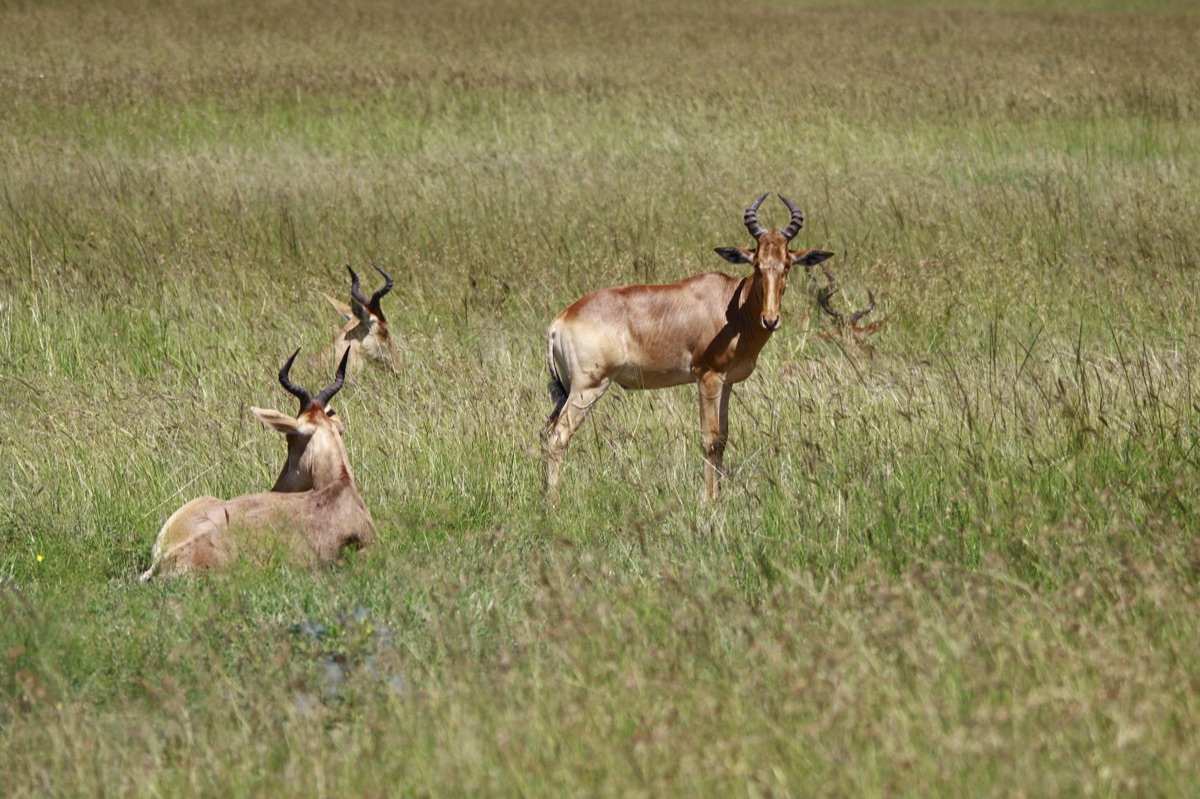
What makes the safari experience different? A local guide points toward a thicket, his voice a low whisper, and suddenly a leopard emerges, moving with silent, lethal grace. The air is thick with the scent of dry earth and wild sage.
The cultural touchpoints differ significantly between the two. In Kenya, the interaction with the Maasai culture is often more direct and accessible.
Many lodges and tours are built around these cultural connections, making it easy to learn about the traditions and lifestyle of the people who call the Mara home. It is a blend of wildlife and human history.
In Tanzania, especially in the remote areas of the Serengeti or the Ngorongoro Conservation Area, the focus often shifts toward a more isolated wilderness immersion.
While cultural interactions certainly exist, the emphasis in many high-end Tanzanian lodges is on the solitude and the "untouched" feeling of the landscape. It is a journey into the wild, often feeling worlds away from civilization.
The structure of the parks also plays a role in your daily life. In Kenya, the reserves are often more tightly managed and easier to navigate, which can lead to more frequent and predictable sightings.
In Tanzania, the sheer size of the Serengeti means you might spend more time on the road, but the reward is often a sense of being in a truly boundless territory.
Game drive dynamics also vary. Kenyan drives can sometimes feel more "curated" and efficient. In Tanzania, the drives can be longer and more rugged, reflecting the vastness of the terrain.
This can be a trade-off: Kenya offers more ease and variety, while Tanzania offers a deeper, more rugged immersion into the heart of the African wild.
But how do you actually time this correctly?
Planning Your Journey: Timing and Logistics
You check your watch as the dust settles behind the departing safari vehicle, realizing the sun is already beginning to dip toward the horizon. The logistics of the trip are as much a part of the adventure as the animals themselves.
Optimal seasonality is the most critical variable. If your goal is to see the Great Migration's river crossings, you should aim for the Kenyan side (the Mara) between July and October.
If you want to witness the calving season in the southern Serengeti, you should look toward the southern Tanzanian plains between January and March. Choosing the wrong window can mean missing the very spectacle you traveled thousands of miles to see.
Travel flow and logistics also differ. Kenya is often seen as the "entry point" for first-time travelers because of its excellent flight connectivity and the ease of moving between the safari and the coast.
You can easily pair a safari in the Mara with a relaxing stint on the white sands of Diani Beach. Tanzania often requires a more dedicated time commitment. Because the parks are so vast and remote, you often need more time on the ground and more internal flights to cover the distances.
Visa and entry requirements are generally manageable for most international travelers, but it is always wise to check the specific requirements for your nationality. Kenya and Tanzania both have established processes, and many travelers find the ease of entry to be a significant plus.
Budgetary considerations should also be factored in. While both countries offer a spectrum of luxury—from rugged tented camps to ultra-high-end lodges—the "cost of entry" can vary. Kenya often provides a slightly more predictable budget due to the ease of logistics.
Tanzania can become more expensive when factoring in the specialized flights and the remote nature of the most iconic lodges.
- Identify your "Must-See": Decide if you want river crossings (Kenya) or calving/vastness (Tanzania).
- Check the Calendar: Align your travel dates with the specific phase of the Great Migration.
- Plan the "Plus One": Decide if you want a coastal escape (Kenya) or a geological wonder like Ngorongoro (Tanzania).
- Logistics Check: Determine if you prefer a streamlined itinerary or a deep-dive expedition.
- Budget Alignment: Ensure your choice matches your willingness to spend on internal flights and remote lodging.
When the dust clears, you realize the choice is more than just a destination.
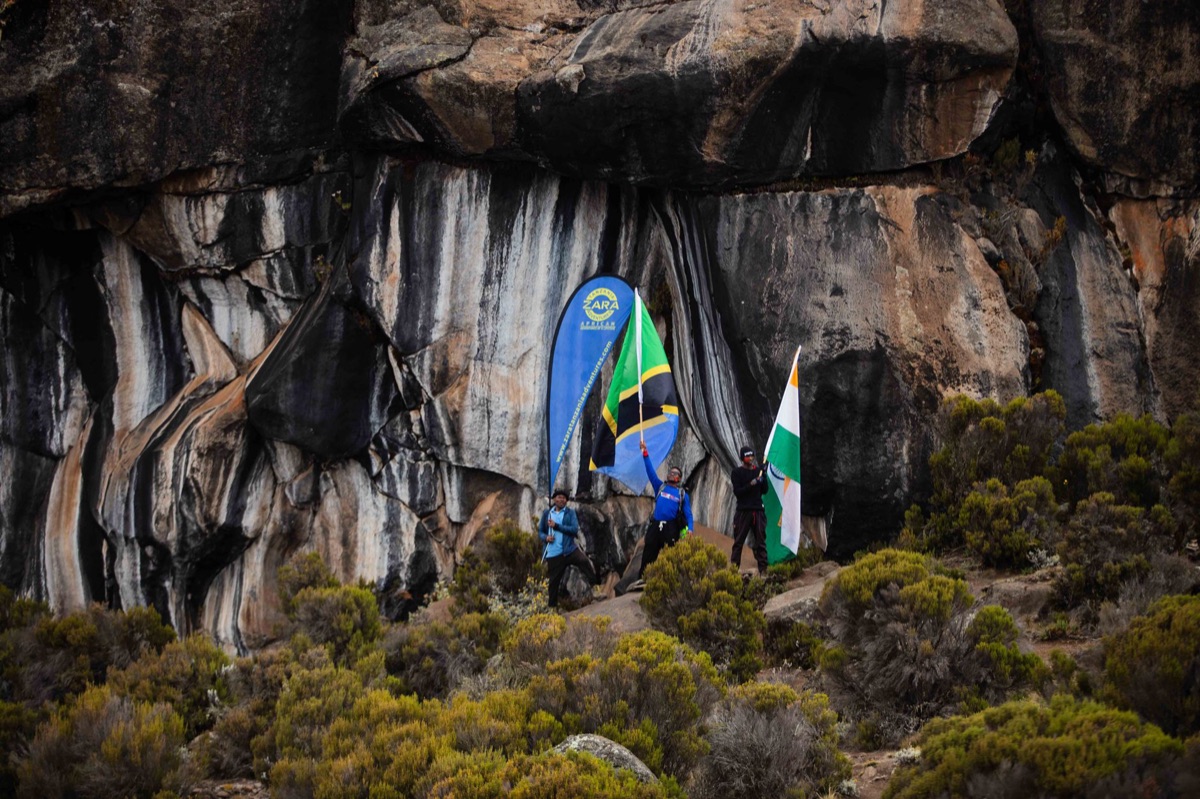
Beyond the Game Drive: Adding Value to Your Trip
The sound of the Indian Ocean crashing against the shore provides a stark, beautiful contrast to the quiet hum of the savannah. You transition from the dust of the plains to the salt air of the coast, feeling the weight of the journey lift.
Kenya’s added value lies in its versatility. For many, a solo safari is just one part of a larger African adventure. The ability to fly from the Masai Mara to the coast in a matter of hours makes it an ideal choice for those who want to combine wildlife with tropical relaxation.
The diverse landscapes, from the Great Rift Valley to the turquoise waters of the coast, allow for a multi-faceted itinerary.
Tanzania offers a different kind of depth. Beyond the Serengeti, the Ngorongoro Crater is a geological marvel and a self-contained ecosystem that offers some of the best wildlife viewing in the world.
For those interested in history and archaeology, the journey can extend to the ancient ruins and the vastness of the Zanzibar archipelago. The depth of immersion in Tanzania is often found in these unique, large-scale natural wonders.
Flight and ground connectivity are generally strong in both countries, though Kenya’s hubs like Nairobi are exceptionally well-connected globally. In Tanzania, you will likely rely more on regional bush flights to move between the various parks and lodges.
This adds an element of adventure and a stunning aerial view of the landscape, but it requires more careful planning.
Ultimately, the choice between Kenya and Tanzania comes down to your personal definition of a perfect safari. Do you want the accessibility and cultural blend of Kenya, or the epic, raw wilderness of Tanzania?
Both will leave you breathless, but they will tell very different stories.

Comments 0