How can I manage the climate during an East Africa trip?
"The landscapes of East Africa range from the arid lowlands to the high, cool slopes of Kilimanjaro, offering a diverse tapestry for every kind of traveler."
The HMM East Africa route 2025 opening provides new logistical connections to a region experiencing rapid economic expansion.
Travelers should prepare for diverse climates, varying from semi-arid lowlands to high-altitude moderate temperatures, and plan around the specific seasonal rainfall patterns of their destination. This guide covers growth-driven travel trends, climate-based planning, and cultural heritage insights.
How does the HMM East Africa route 2025 affect travel planning?
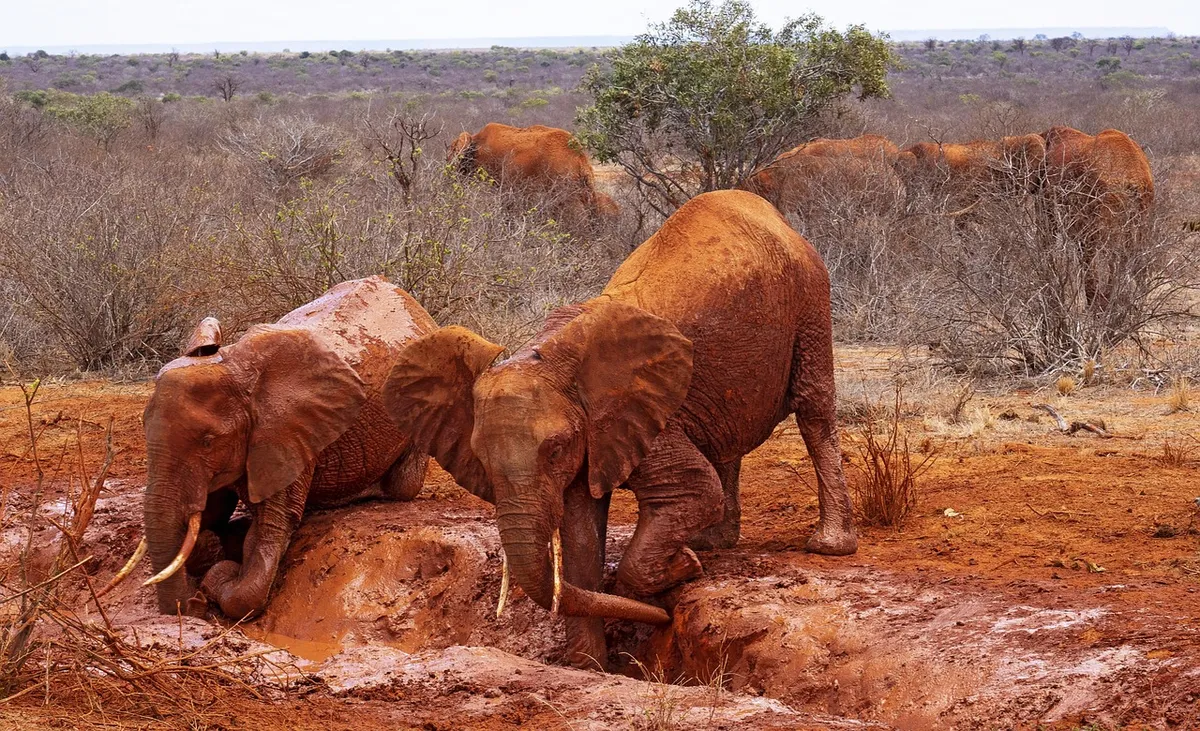
As the sun rises over the harbor, I squint against the bright glare and attempt to manage my shifting itinerary.
A traveler stands on a breezy pier, looking toward the horizon where a cargo vessel cuts through the blue water. The introduction of a new shipping lane changes how goods and people interact with the regional economy.
The economic landscape of the region is shifting rapidly. Although many countries still rely on rural workforces in agriculture, the economies of East Africa are growing at a 6% rate, with Rwanda, Uganda, Kenya, and Tanzania outpacing many other parts of Africa.
This growth makes the area an increasingly active hub for both business and tourism.
The HMM East Africa route 2025 provides a backdrop for understanding how maritime logistics and regional development intersect. As trade expands, the infrastructure supporting travelers often follows.
Planning for a trip in this context requires understanding that while the economy moves fast, the natural environment remains a constant, powerful factor.
- Coordinate transit schedules with the new maritime arrival windows. 2. Align local tour bookings with the updated shipping timelines. 3. Finalize accommodation based on the optimized logistics of the new route.
What is the best time for Great Migration and seasonal travel?
Sunlight hits the golden grass of the savanna during the early morning hours. A traveler checks a weather app, noting the significant differences in rainfall between the coast and the inland highlands.
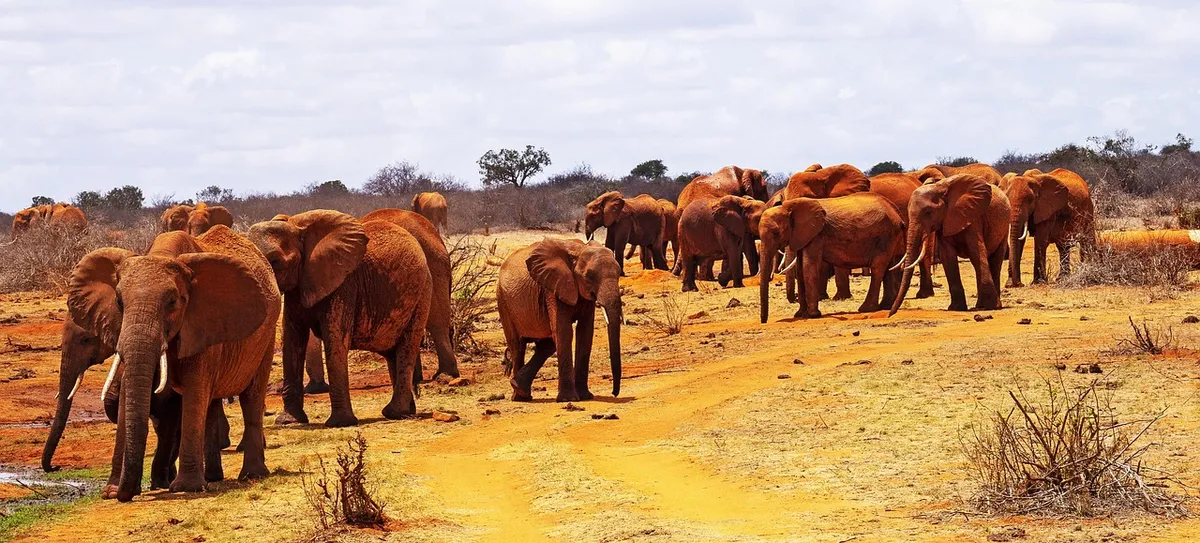
Weather patterns vary significantly across the terrain. The climate is often atypical for equatorial regions, being mostly arid or semi-arid with rainfall totals below 24 inches per year in many lowland areas. Understanding these shifts is vital for a successful East Africa safari calendar.
Rainfall generally increases toward the south and with higher altitude. For example, rainfall is around 16 inches at Mogadishu but reaches 47 inches at Mombasa on the coast. Inland, it can rise from 5 inches at Garoowe to over 43 inches at Moshi.
An East Africa trip planning strategy must account for these fluctuations. Travelers often find that the western slopes receive much higher rainfall, exceeding 63 inches, while places like Addis Ababa receive around 49 inches.
These variations dictate when certain landscapes are lush and when they are dry.
In this sequence, the second step is the most significant.
How can I manage the climate during an East Africa trip?
A traveler pulls a light jacket from a suitcase while feeling the moderate breeze of a highland morning. The temperature change between the coast and the mountains requires versatile packing.
Temperatures in East Africa, except on the hot and generally humid coastal belt, are moderate. At an altitude of 1,500 meters, temperatures might reach a maximum of 77 °F and a minimum of 59 °F. This makes the region quite comfortable for many activities.
To prepare for the environment, follow these steps:
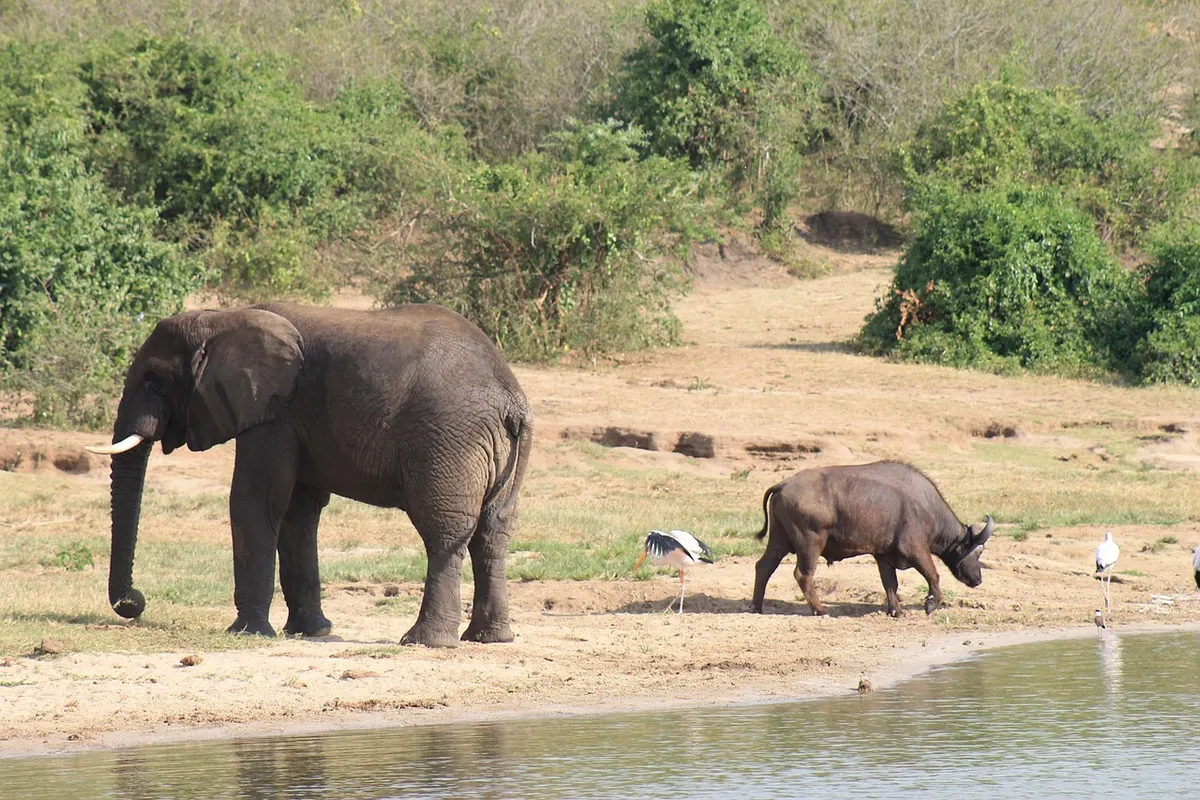
- Pack layers to handle the shift from humid coastal heat to moderate highland temperatures. 2. Check specific local rainfall data, as coastal areas can be much wetter than inland regions. s3. Prepare for arid conditions in lowlands by carrying adequate hydration supplies.
I once packed a heavy sweater for a highland morning, only to find the sun made the 77 °F peak quite warm. Using the right layers is essential for comfort.
A limitation of these climate-based tips is that they cannot account for sudden localized weather shifts in mountainous terrain.
What cultural and heritage sites should I visit?
A traveler walks through the gates of a historic site, feeling the weight of centuries of human history. The mix of natural and cultural landmarks offers deep engagement for those visiting.
The region is rich in recognized heritage. As of March 2023, 98 African properties are listed by UNESCO as World Heritage Sites, consisting of 54 cultural sites, 39 natural sites, and 5 mixed sites. These locations provide a window into the continent's diverse history.
| :--- | :--- | | Cultural Sites | 54 | | Natural Sites | 39 |
Exploring these sites requires an appreciation for both the natural and human elements that define the region. New HMM Africa route tips suggest that as accessibility improves, these heritage sites become even more vital to the travel experience.
What are the religious and social landscapes like?
A traveler enters a quiet, historic church in a highland town, noting the peaceful atmosphere. The social fabric of the region is deeply rooted in long-standing traditions.

The social and religious history is diverse. In 2020, the Association of Religion Data Archives found that the majority of Eastern Africa was Christian and mostly Protestant. This cultural backdrop influences everything from local customs to architecture.
The region's identity is also shaped by its political and economic unions. For instance, Sudan is sometimes included in discussions of the eastern region due to its membership in the African Union and the Common Market for Eastern and Southern Africa.
This connectivity is part of the broader regional identity.
- How does the HMM East Africa route 2025 affect travel planning?
- What is the best time for Great Migration and seasonal travel?
- How can I manage the climate during an East Africa trip?
Related
- Locating Big Five: Matching Habitat to Apex Predator Needs
- African Safari Guide: Master Your Dream Journey Today
How does the HMM East Africa route 2025 influence modern travel?
The HMM East Africa route 2025 provides a modern context for journeys into the region. This new logistical arrangement mirrors the continent's own drive toward increased global engagement. The expansion of maritime trade routes mirrors the broader economic dynamism experienced across East Africa.
The rapid economic expansion in East Africa is a direct consequence of several factors. While agriculture remains a backbone for many communities, the overall regional economy demonstrates a strong upward trend. This growth attracts both international business and the burgeoning tourism sector.
The interplay between global trade infrastructure and local travel experiences is significant. Travelers navigating this environment are witnessing firsthand the intersection of global commerce and regional development.
This duality requires awareness of both the ancient cultural roots and the modernizing economic pulse of East landscapes.
Wikipedia: East Africa Based on the retained excerpt mentioning Association of Religion Data Archives found: In 2020, the Association of Religion Data Archives found that the majority of Eastern Africa was Christian and mostly Protestant.

Comments 0