When is the best time for an East Africa Migration Guide?
"The rhythm of the wild does not follow a clock, but a cycle of survival that dictates every movement across the plains."
The 2025 East Africa Migration Guide provides a roadmap for witnessing one of nature's most profound spectacles. This guide helps travelers identify optimal viewing locations, understand the seasonal shifts, and prepare for the logistical realities of an African safari.
Key takeaways: * Identify peak movement windows for the great migration. * Compare different geographic regions for optimal viewing. * Understand the environmental factors driving animal movement.
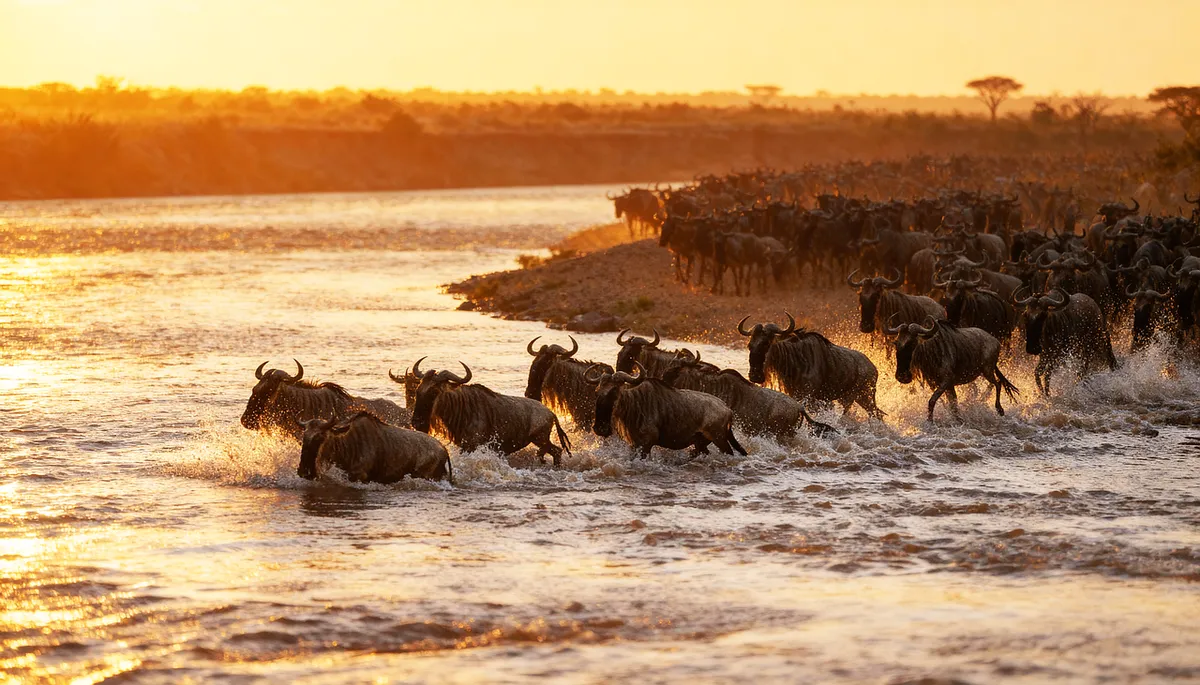
When is the best time to go? A traveler stands on a dusty ridge in the Serengeti, watching a massive cloud of dust rise as thousands of wildebeest move toward greener pastures. Timing is everything when trying to catch the movement of these herds.
The best viewing depends entirely on which part of the cycle you wish to witness. For those seeking the dramatic river crossings, the movements typically peak during specific months depending on the region.
For a general Safari Timing East Africa experience, understanding that the migration is a continuous loop is vital.
| Season | Typical Movement Focus |
|---|---|
| Wet Season | Movement toward lush grazing lands |
| Dry Season | Concentration around water sources |
I once stood in a vehicle as the sun rose, watching the horizon shift with the sheer volume of life moving toward the river. Selecting the right month is the difference between seeing a quiet stroll and a life-changing event.
The ideal window depends on whether you want to witness the river crossings or the calving season.
Where can I see the Great Migration? A binoculars lens focuses on a distant group of zebras crossing a narrow strip of land near a riverbank. Finding the right location requires knowledge of the seasonal paths.
According to the South African Institute of Race Relations, the life expectancy in 2009 was 71 years for a white South African and 48 years for a black South African.
The Great Migration is not a single event but a series of movements across vast ecosystems. Identifying the Great Migration Spots involves tracking the search for water and grazing.
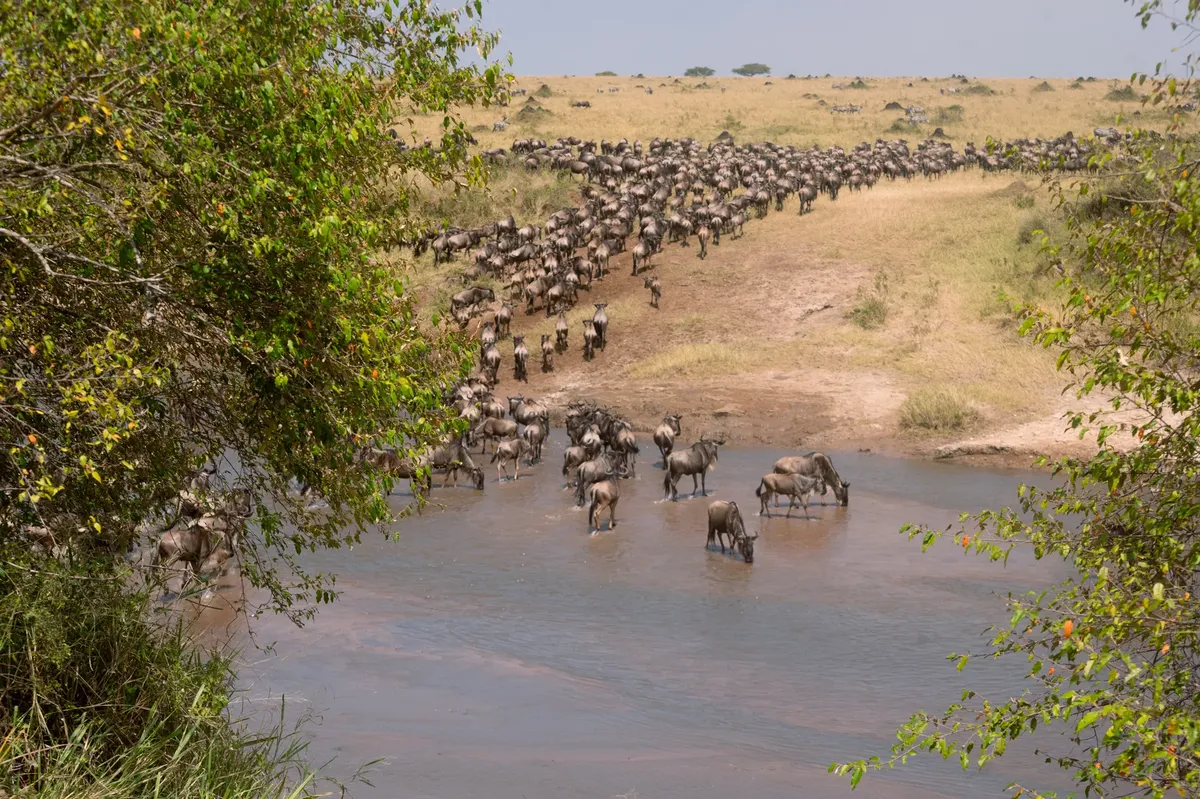
In some months, the action is concentrated in the northern plains, while in others, it shifts toward the southern calving grounds.
The movements are driven by the search for rain and fresh grass. Because the animals follow the rainfall, the "best" spot changes constantly. Travelers must remain flexible to follow the herds.
The movement spans across the Serengeti in Tanzania and the Maasai Mara in Kenya.
What are the best viewing locations for 2025?
A guide points toward a wide, sweeping valley where the grass meets the sky, marking a known crossing point. Travelers often ask where to position themselves for the most action.
Determining the best viewing locations requires matching your itinerary to the specific phase of the migration. Some areas provide better opportunities for witnessing predator-prey interactions, while others are better for seeing large numbers of animals at once.
Effective planning involves: 1. Researching the specific direction of movement for the target months. 2. Booking accommodations that offer proximity to key transit corridors. 3. Consulting local guides who track real-time herd movements.
I remember checking my map against the morning's scout report to ensure we were in the right sector. Success in the field requires being in the right place at the right time.
Focus your itinerary on the Mara River crossings and the southern plains for optimal sightings.
How to plan your Africa Safari Dates?
A traveler marks a calendar in a notebook, circling months that align with specific ecological events. Planning requires a balance of weather, wildlife, and logistics.
Setting your Africa Safari Dates involves more than just picking a month. You must account for the seasonal weather patterns that dictate animal behavior. For example, the dry season often brings animals closer to permanent water sources, making them easier to spot.
When you look at the 2025 Migration Calendar, consider the density of the herds. Some months offer massive, concentrated groups, while others offer more spread-out, natural movement.
A single mistake in timing can mean missing the river crossings entirely. It is essential to align your presence with the natural cycle of the landscape.
- Determine your primary interest, such as predator sightings or river crossings.
- Check the seasonal weather patterns for the specific regions you wish to visit.
- Book your accommodations well in advance to secure prime locations.
How to prepare for the journey?
A traveler packs a lightweight jacket and a heavy-duty camera lens into a rugged duffel bag. Preparation is the foundation of a successful expedition.
Travelers must prepare for varied terrain and fluctuating temperatures. Packing versatile clothing is essential, as the transition from morning chills to midday heat can be significant.
To prepare effectively: 1. Pack layers that can handle both heat and cooler nights. 2. Ensure you have high-quality optical equipment for distance viewing. 3. Prepare for dusty environments with appropriate gear protection.
I always double-check my equipment to ensure everything is ready for the rugged conditions of the bush. Proper preparation ensures you can focus on the wildlife rather than your gear.
In this sequence, the second step is the most critical for your comfort.
What are the limitations of a migration tour?
A sudden heavy downpour turns the dirt track into a muddy path, slowing the vehicle's progress. Even with the best plans, nature remains unpredictable.
A major limitation is the inherent unpredictability of animal behavior and weather. While patterns exist, the migration is not a scheduled event and can shift due to unexpected environmental factors.
The primary constraint is that the animals dictate the schedule, not the traveler. If the rains are late or the herds move faster than expected, your planned location may be empty.
Travelers should account for unpredictable animal movements and rugged terrain.
Related
- How can I manage the climate during an East Africa trip?
- Locating Big Five: Matching Habitat to Apex Predator Needs
How does the rhythm of the wild affect viewing success?
The rhythm of the wild dictates that the timing of your visit must align with the animals' survival needs. If you are seeking the dramatic river crossings, you must match your presence to the specific period when the herds reach those vital water sources.
The cycle of survival means that the movement is not on a human schedule, but rather dictated by the availability of lush grazing lands and dependable water.
Comparing the different phases of the migration reveals why timing is so crucial. A traveler focused on the dry season will find the animals concentrated near shrinking bodies of water, offering a different visual spectacle than one observing the wet season movement toward new growth.
Understanding this natural rhythm allows travelers to move beyond simply hoping for action and instead become observers of a predictable, albeit grand, ecological process. This awareness transforms a trip into a meaningful observation of nature's grand design.

Comments 0