Safari vs Desert Tour Price: Guide to extreme heat
"The heat of the sun and the shifting winds define the landscape, much like how a traveler must weigh the costs of adventure against the reality of the environment."
Deciding between a safari and a desert tour requires a careful comparison of environmental extremes and logistical costs. To make an informed choice, travelers should consider peak temperature ranges, seasonal accessibility, and the specific climate risks of the destination.
Key takeaways: * Analyze temperature extremes to ensure comfort during tours. * Consider the impact of humidity and apparent temperature on travel plans. * Evaluate regional climate risks and potential damages from weather events.
How do temperature extremes affect a Safari vs Desert Tour Price?
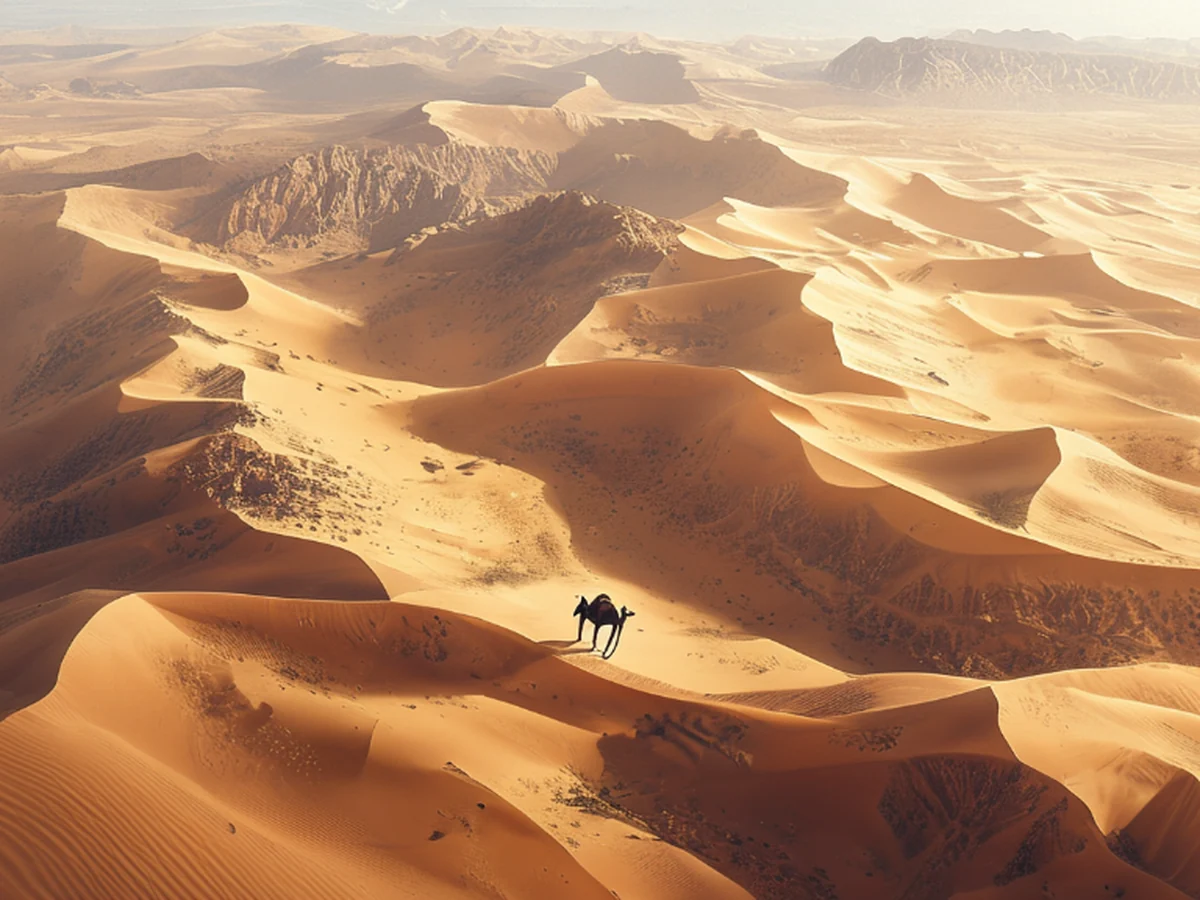
A traveler stands in the middle of a vast, sun-drenched plain, checking a thermometer before deciding whether to proceed with a scheduled excursion. When comparing hot environments, understanding the difference between average heat and extreme peaks is vital for budgeting.
The cost of travel often fluctuates based on the severity of the climate. For instance, the hottest average temperature on Earth is found at Dallol, Ethiopia, where it averages 33.9 °C (93.0 °F) throughout the year.
Such consistent heat can influence the availability of specialized vehicles and guide services.
When planning a trip, the Safari vs Desert Tour Price can be impacted by how much specialized equipment is needed to combat these averages. Preparing for year-round heat requires different resources than preparing for sudden, extreme spikes.
However, these price fluctuations may not apply to tours scheduled during shoulder seasons when weather is more moderate.
Could extreme heat ruin my tour?
At high noon in the dusty wasteland, I squint against the blinding light and wonder if the heat will ruin my safari. A guide wipes sweat from their brow while looking toward a shimmering horizon where the air seems to vibrate with heat. Extreme temperature records serve as a reminder of the physical limits of travel in certain regions.
The highest recorded temperature in Africa was 57.8 °C (136.0 °F) at 'Aziziya, Libya, on 13 September 1922. Such historical extremes highlight the need for robustly priced tours that include adequate shade and cooling.
Understanding these records helps in assessing the Safari vs Desert Tour Cost during peak summer months. Travelers must decide if the cost of high-end, climate-controlled transport is worth the investment to avoid such intense heat.
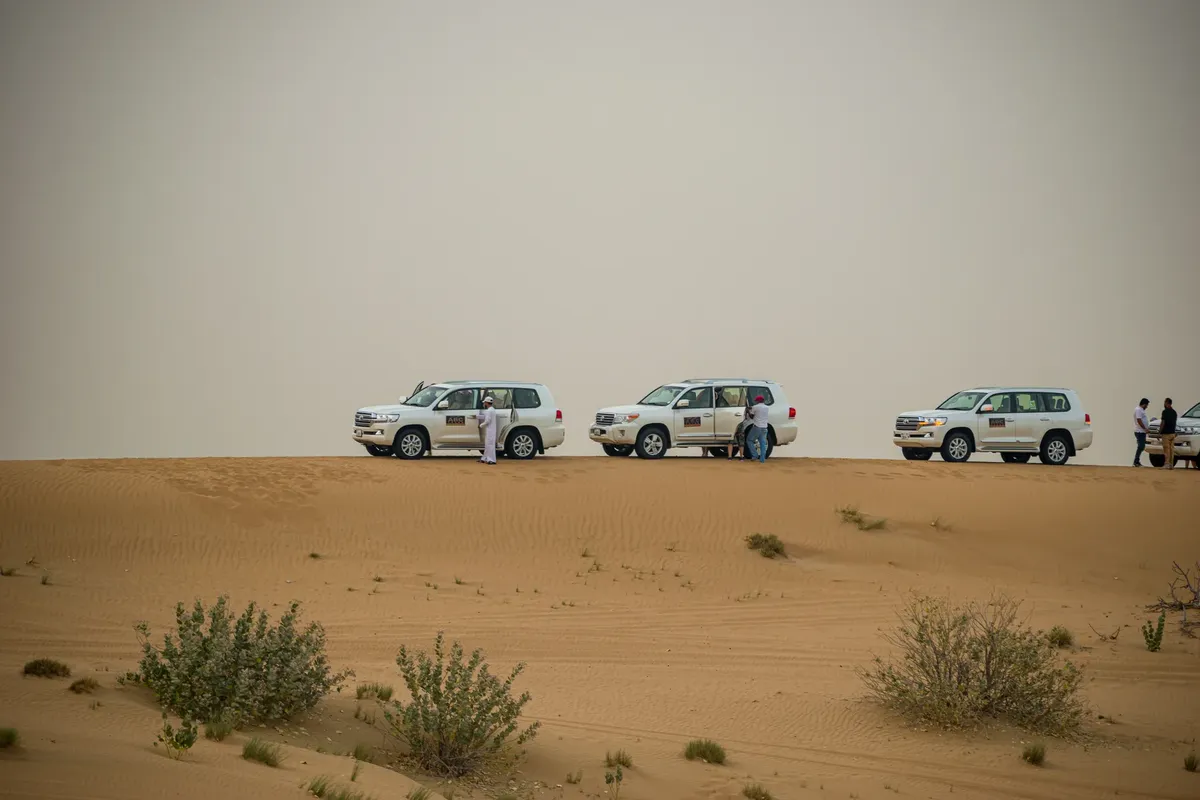
This risk assessment does not account for tours conducted in climate-controlled indoor environments.
How does humidity influence the perceived cost of travel?
The heavy, thick air of a coastal desert makes every movement feel more strenuous, as if the atmosphere itself has weight. Humidity can change how a traveler experiences the heat, often making it feel much hotter than the thermometer suggests.
Along the Red Sea coast of Eritrea and the Gulf of Aden coast of Somalia, apparent temperatures can range between 57 °C (135 °F) and 63 °C (145 °F) during afternoon hours. This combination of temperature and humidity creates a significantly different environment for tours.
When evaluating the Safari vs Desert Tour Price, one must account for these apparent temperatures. A tour that seems affordable on paper might become much more expensive when specialized hydration or cooling gear is required to manage high humidity.
This relationship is less significant in arid desert environments where low humidity levels minimize the physical discomfort.
Will climate change change my tour's cost and stability? A researcher looks over a map of shifting weather patterns, noting how traditional travel routes are being altered by changing climates. Environmental shifts are no longer just theoretical; they have tangible impacts on the stability of tourism.
According to the IPCC Sixth Assessment Report, although greenhouse gas emissions are among the lowest in Africa, anthropogenic climate change has severely threatened daily life. This instability can lead to unpredictable pricing and sudden changes in tour availability.
Choosing Safari or Desert requires looking at these long-term stability factors. If a region is prone to sudden shifts, the cost of insurance and flexible booking becomes a significant part of the budget.
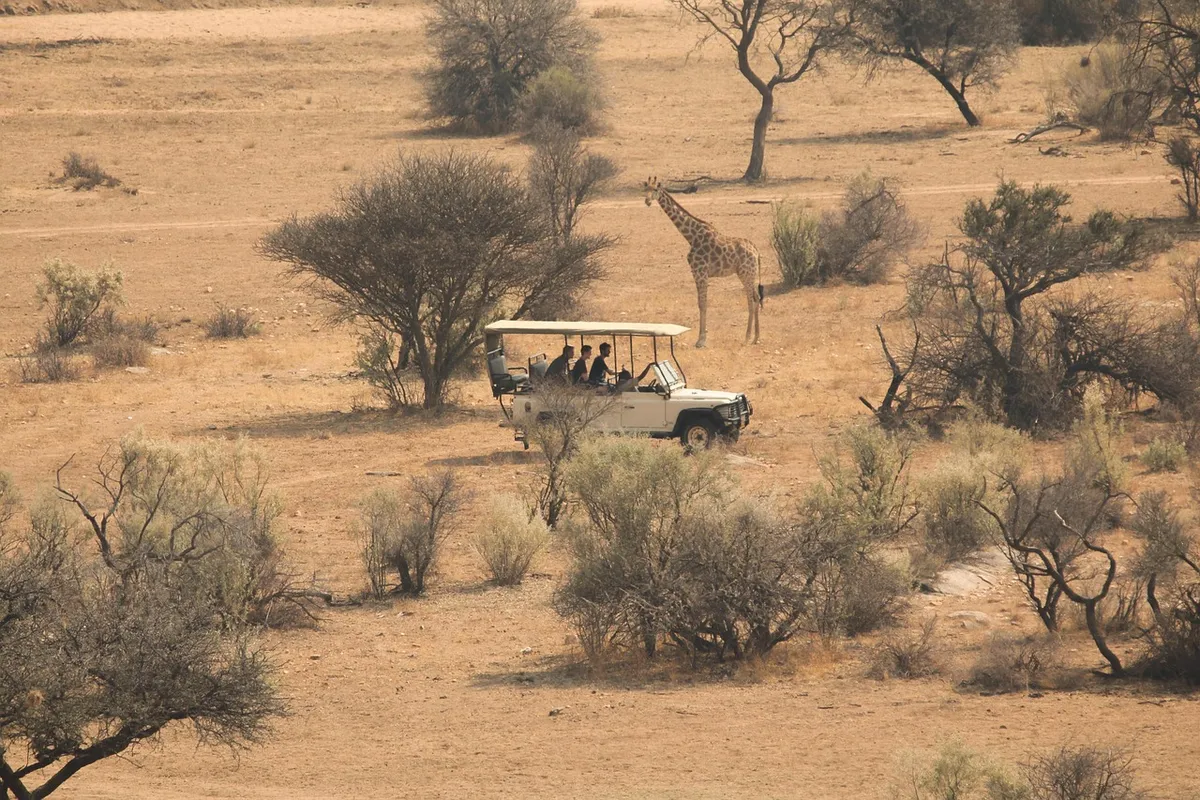
These long-term shifts may not result in immediate price changes for short-term seasonal bookings.
What are the financial implications of extreme weather events?
A traveler watches news footage of a storm-damaged landscape, realizing how much a single event can disrupt local economies and travel costs. Extreme weather can lead to massive economic shifts that directly affect tour pricing.
Total damages from Idai across Mozambique, Zimbabwe, Madagascar, and Malawi were estimated to be at least $2.2 billion (2019 USD). Such large-scale damage can lead to sudden hikes in regional travel costs and infrastructure repairs.
When comparing the cost of adventure, one must account for these potential economic disruptions. A budget that seems sufficient today might need to accommodate the rising costs associated with regional recovery and climate-resilient infrastructure.
The financial impact may be limited if travelers have comprehensive insurance policies that cover weather-related cancellations.
How do atmospheric factors play a role in tour planning?
A pilot looks up at the high-altitude winds that shape the weather patterns of the region below. Atmospheric movements can dictate the timing and safety of desert or safari expeditions.
The Tropical Easterly Jet, which forms high up in the atmosphere, 15–17 km above the surface, is another important factor in regional weather. These atmospheric layers influence the surface conditions that travelers encounter.
A professional approach to Tour Price and Partner Tips involves understanding these atmospheric dynamics. Reliable tour operators often base their pricing on the ability to navigate these complex weather systems safely.
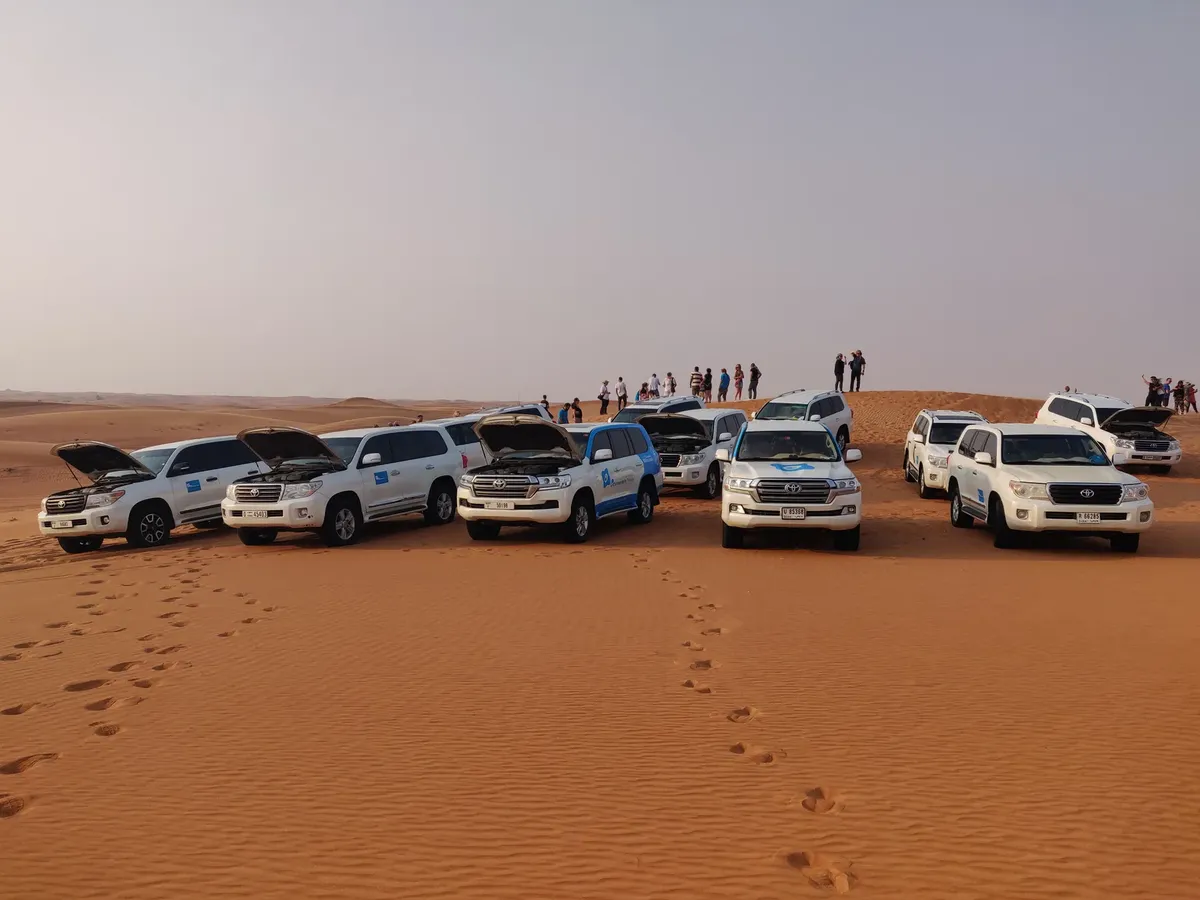
These planning considerations are less relevant for tours that take place entirely within controlled indoor settings.
Summary of Extreme Temperature Comparisons
| Condition Type | Temperature Value |
|---|---|
| Hottest Average (Dallol, Ethiopia) | 33.9 °C (93.0 °F) |
| Lowest Measured (Ifrane, Morocco) | −24 °C (−11 °F) |
I found that understanding these temperature ranges is the first step in preparing for a journey.
- How do temperature extremes affect a Safari vs Desert Tour Price?
- What are the risks of extreme heat during a tour?
- How does humidity influence the perceived cost of travel?
The same subject is also called Day Tour Price Comparison.
This part also covers Best Tips for Tour Selection.
This part also covers Compare Safari and Desert.
This part also covers Affordable Safari Trip Tips.
Best Tips for Tour Selection
Related

Comments 0