Safari lodge matters most: Guide vs Comfort for your trip
"The best way to experience the wild is to ensure your base is as reliable as the landscape itself."
When planning a journey, many travelers prioritize the expertise of a guide, but securing a lodge with superior location and amenities often yields a more consistent experience.
This guide focuses on why the physical properties of your accommodation serve as the foundation for a successful trip, offering a comparison of location versus expertise, practical steps for selection, and the limitations of prioritizing guide knowledge over comfort.
Why should safari lodge matters most for comfort?

A traveler stands at a dusty crossroads, looking at a map and wondering if the long drive to a remote outpost is worth the trek. While a skilled guide can track any animal, the quality of the lodge determines your ability to recover from the day's heat and dust.
A safari stay location serves as your primary sanctuary. While guides provide the insight, the physical environment of the lodge provides the necessary rest to sustain long days of exploration.
A well-placed lodge reduces travel time to key wildlife areas, ensuring you spend more time observing nature and less time in transit.
The base camp you select must offer more than just a bed. It must provide a reliable environment that offsets the harshness of the natural surroundings.
If the lodge is too far from the activity or lacks essential amenities, even the most knowledgeable guide cannot compensate for physical exhaustion or lack of basic comfort.
A high-quality lodge serves as a sanctuary from the elements, providing a controlled environment to recharge after long days in the bush.
How does a safari stay location influence the trip?
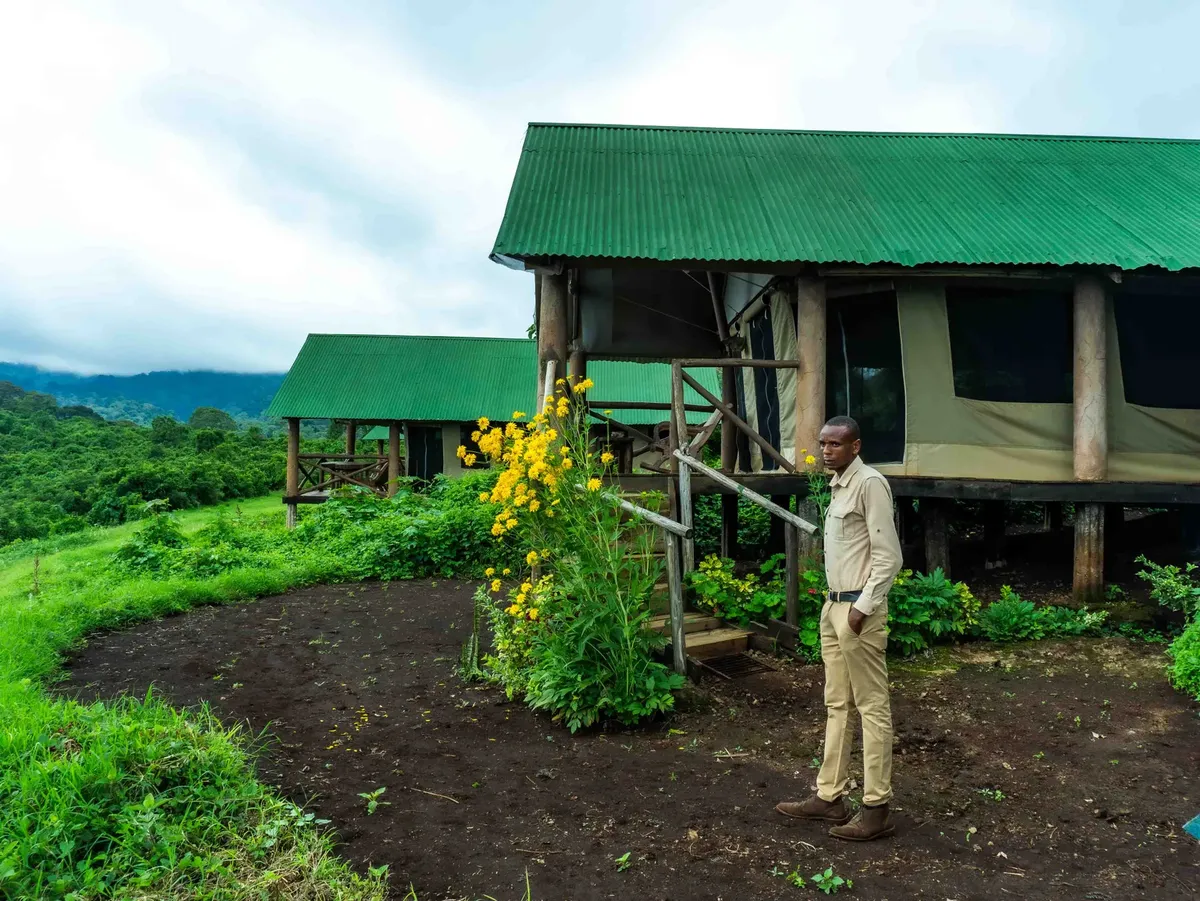
At dawn, I step onto the shaded veranda of my safari stay location and feel the warm breeze against my skin while watching the distant horizon.
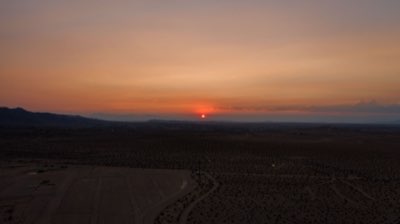
A traveler sits on a shaded veranda, watching the sun dip below the horizon while wondering if the trek back to camp will be too long. The strategic placement of a lodge can make or break the rhythm of your daily excursions.
Choosing a safari stay location requires balancing proximity to wildlife with the ease of access. A lodge positioned at the edge of a park offers immediate access to sightings, but a lodge with better amenities might provide a more stable environment for families or those sensitive to the elements.
The primary goal is to minimize transit fatigue. When the lodge is centrally located to the primary attractions, you maximize your window of opportunity for sightings. This strategic choice ensures that the physical journey does not overshadow the wildlife experience.
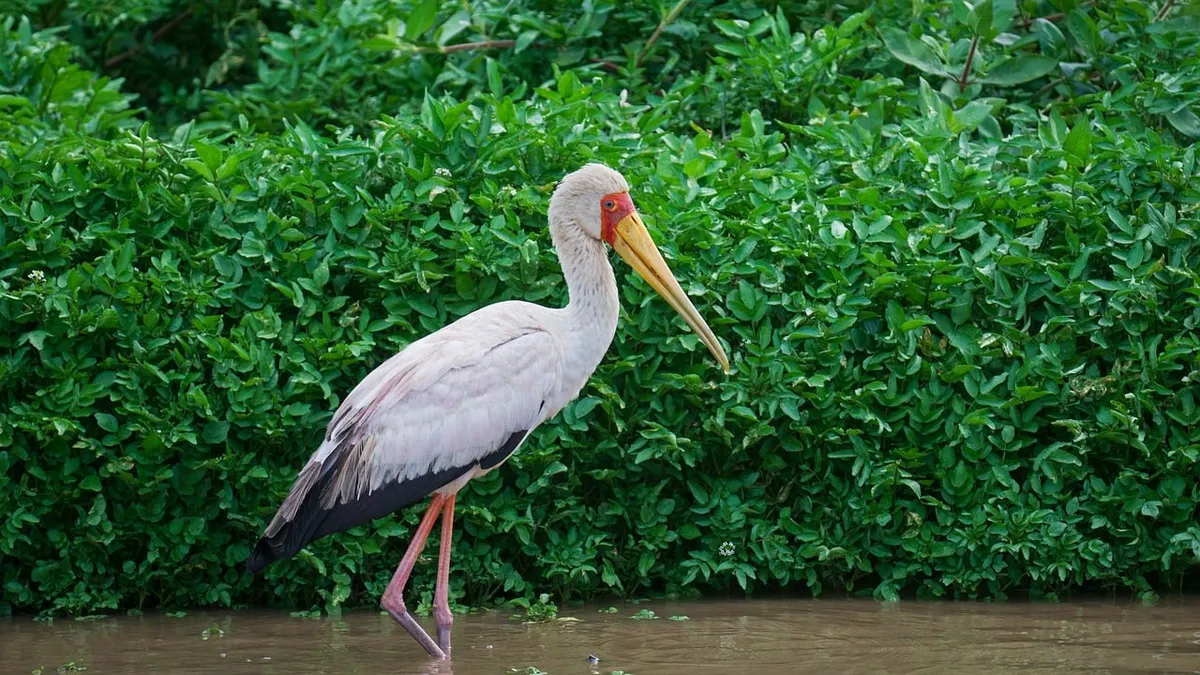
The proximity of your accommodation to wildlife corridors determines how much time you spend traveling versus observing animals.
Comparing lodge amenities count and guide expertise
Under the midday sun, I grip a heavy brochure while debating between a seasoned tracker and the sprawling amenities of a luxury safari lodge.
A traveler weighs two brochures: one highlighting a legendary tracker and the other promising luxury suites and seamless logistics. The physical reality of the lodge often dictates the success of the itinerary.
| Feature | Guide Expertise | Lodge Amenities |
|---|---|---|
| Primary Benefit | Deep biological and tracking knowledge | Physical comfort and recovery |
| Dependency | Relies on animal movement and luck | Provides a stable, predictable environment |
A safari accommodation choice should prioritize the stability of the lodge. While expertise is valuable, it is subject to the unpredictability of nature. A lodge with reliable amenities provides a constant, regardless of whether the animals appear on schedule.
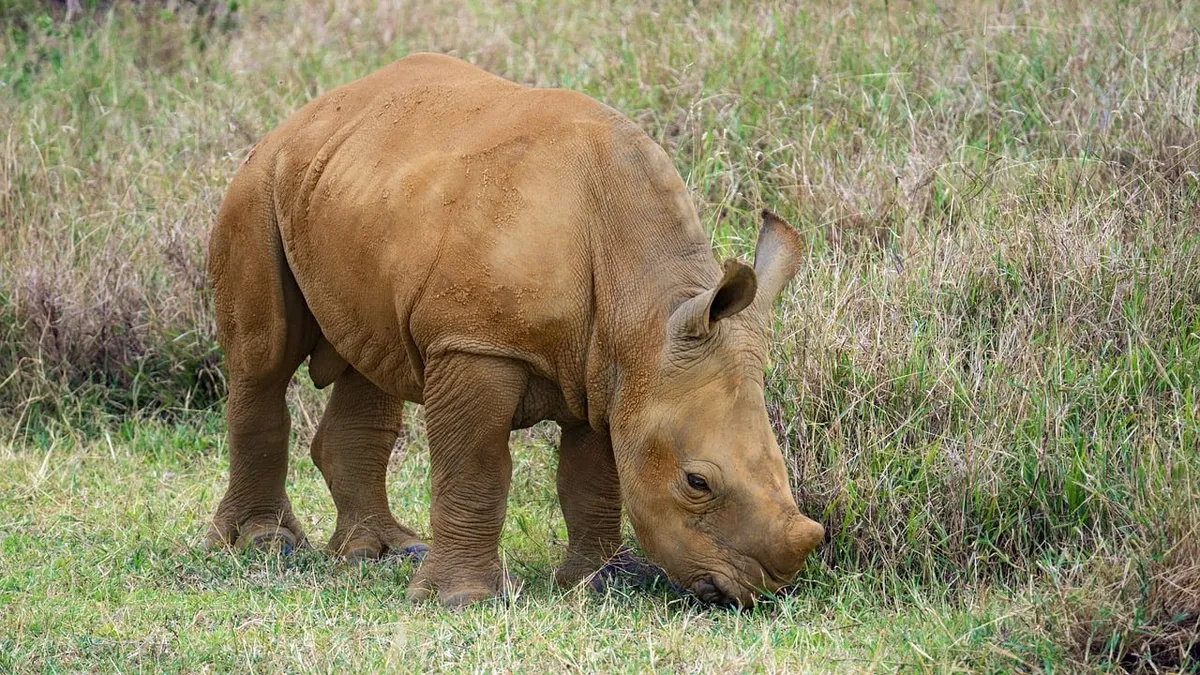
I once spent a week in a remote camp where the guide was incredible, but the lack of consistent water and shade made the midday heat nearly unbearable. This taught me that the quality of the stay is the baseline for any successful expedition.
- Evaluate the quality of the guide's tracking skills.
- Assess the essential comfort levels of the lodging.
- Balance the time spent on amenities against time spent on game drives.
How to manage a safari accommodation choice?
A traveler walks through a check-in area, looking for signs of reliable infrastructure and clean facilities. Selecting the right base requires a systematic approach to ensure your needs are met.
- Assess the proximity of the lodge to the primary wildlife zones to minimize daily travel time. 2. Verify the availability of essential amenities such as water, shade, and climate control. 3. Check the accessibility of the lodge to ensure the terrain does not make the return trip overly difficult.
Final check: Ensure the lodge's location does not compromise the very wildlife viewing you are traveling to see.
In this order, the second step is the most extensive.
What are the limitations of guide vs lodge quality?
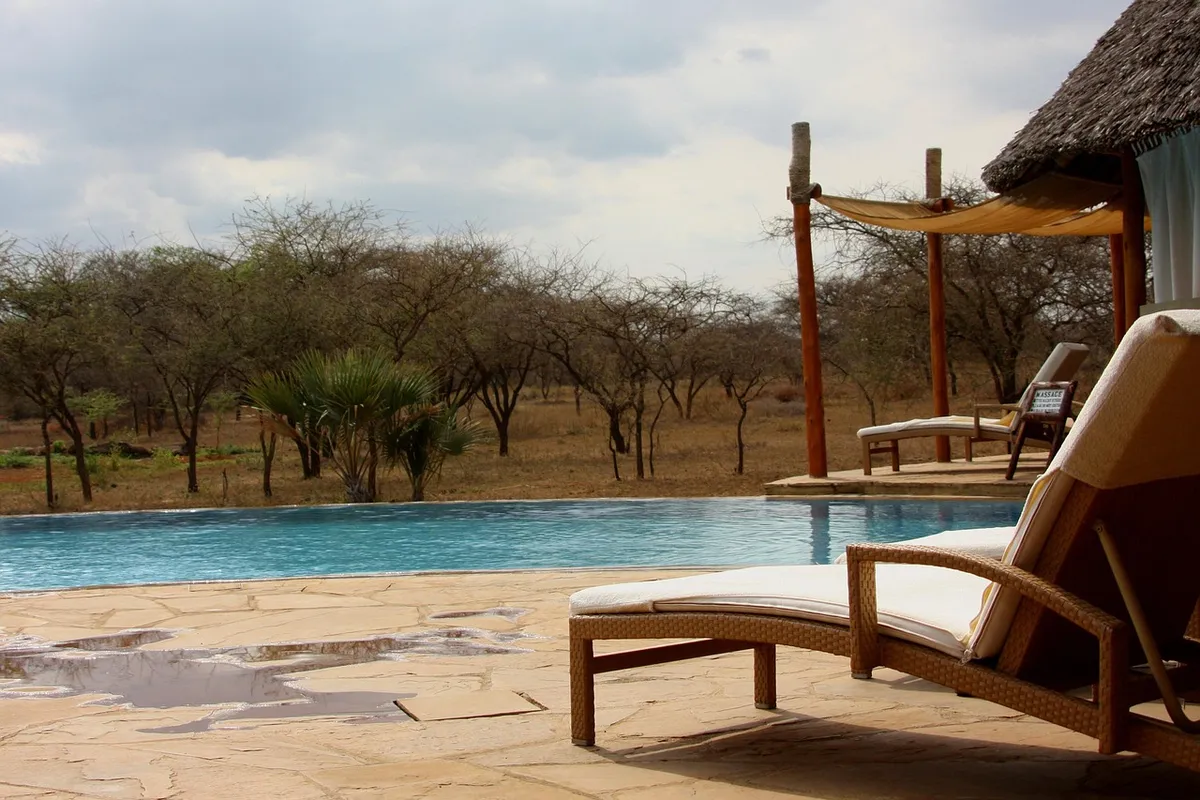
A traveler sits in a vehicle, feeling the heat of the afternoon sun and realizing that no amount of storytelling can replace a cool room. The physical environment is the constant factor in your travel experience.
The limitation of prioritizing guide knowledge is that expertise cannot fix a lack of basic infrastructure. If a lodge lacks water or proper shelter, the physical toll on the traveler can diminish the ability to enjoy the guide's insights.
This is especially true in regions where 60% of the land surface consists of drylands and deserts.
Even the most skilled guide cannot compensate for a lack of basic amenities, just as luxury cannot replace the presence of wildlife.
Related
- When is the best time for an East Africa Migration Guide?
- How can I manage the climate during an East Africa trip?
How does the base camp affect the overall experience?
The base camp dictates the physical conditions under which the traveler engages with the wild. A superior base ensures that the body is capable of sustaining the rigors of the expedition, allowing the mind to remain focused on the experience.
If the base camp fails to provide adequate recovery, the traveler enters the next day already compromised. This lack of physical readiness detracts from the potential of the guide's knowledge, regardless of how brilliant the tracking skills might be.
Therefore, the base camp acts as the necessary precondition for a positive experience in the wild, providing the platform from which successful observation springs.
The base camp acts as the emotional anchor of the trip, setting the tone for both relaxation and adventure.
What is the role of the base camp in the overall experience?
The base camp serves as the crucial staging ground where the traveler prepares for and recovers from encounters in the wild. A dependable base allows the traveler to dedicate mental energy to observing the natural environment rather than worrying about physical discomfort.
The base camp must successfully mediate between the intense activity in the field and the need for human recovery. If this mediation fails, the traveler approaches the next day's experience physically depleted, hindering the capacity to fully absorb the lessons of the guide.
Ultimately, the base camp provides the necessary equilibrium for the traveler to sustain the high level of engagement required to truly experience the wild.
Brookings Based on the retained excerpt mentioning African Union Development Agency: Fifteen years ago, the African Union and the New Partnership for Africa’s Development (renamed African Union Development Agency) adopted the Tourism Action Plan to bring visibility to tourism on the continent.

Comments 0