Timing Your Visit: See Migration Peaks in Serengeti Safaris
"The rhythm of the wild is written in the rain, and the Great Migration is its heartbeat."
To see the Great Migration is to witness one of nature's most relentless pursuits of survival. To do it successfully, you must stop thinking of the Serengeti as a static place and start seeing it as a moving target that shifts across the landscape according to the seasons.
Key Takeaways: * The Great Migration is a predictable, cyclical event driven by rainfall and grazing patterns. * Optimal viewing locations shift monthly, requiring itinerary flexibility.
* Success depends on understanding the migration's phases, such as the calving season versus the river crossings. * Timing your visit correctly maximizes the probability of witnessing dramatic predator-prey interactions.
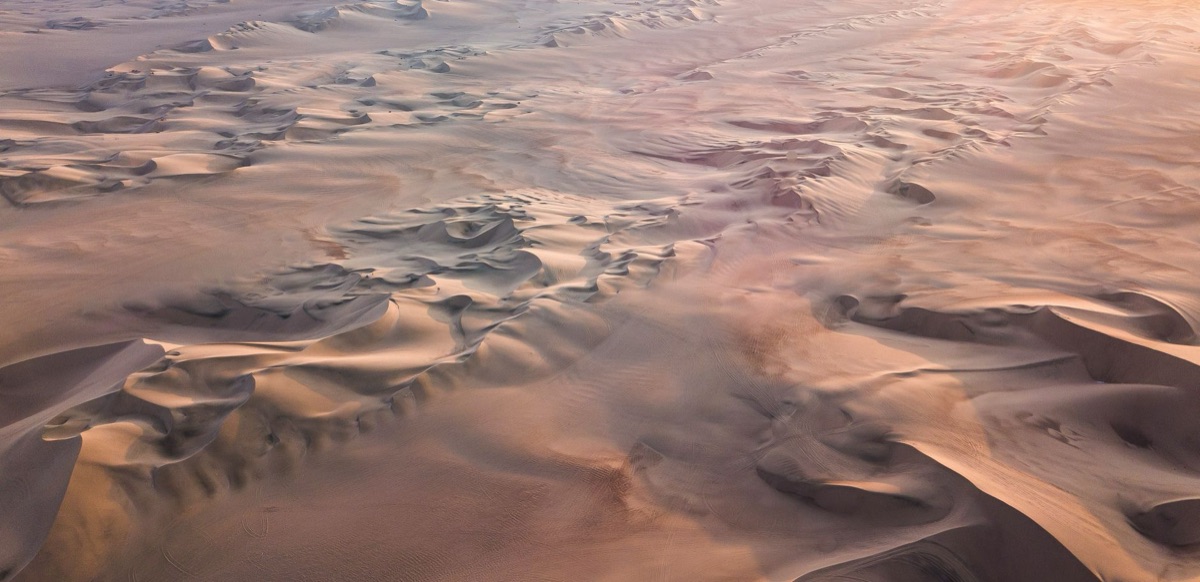
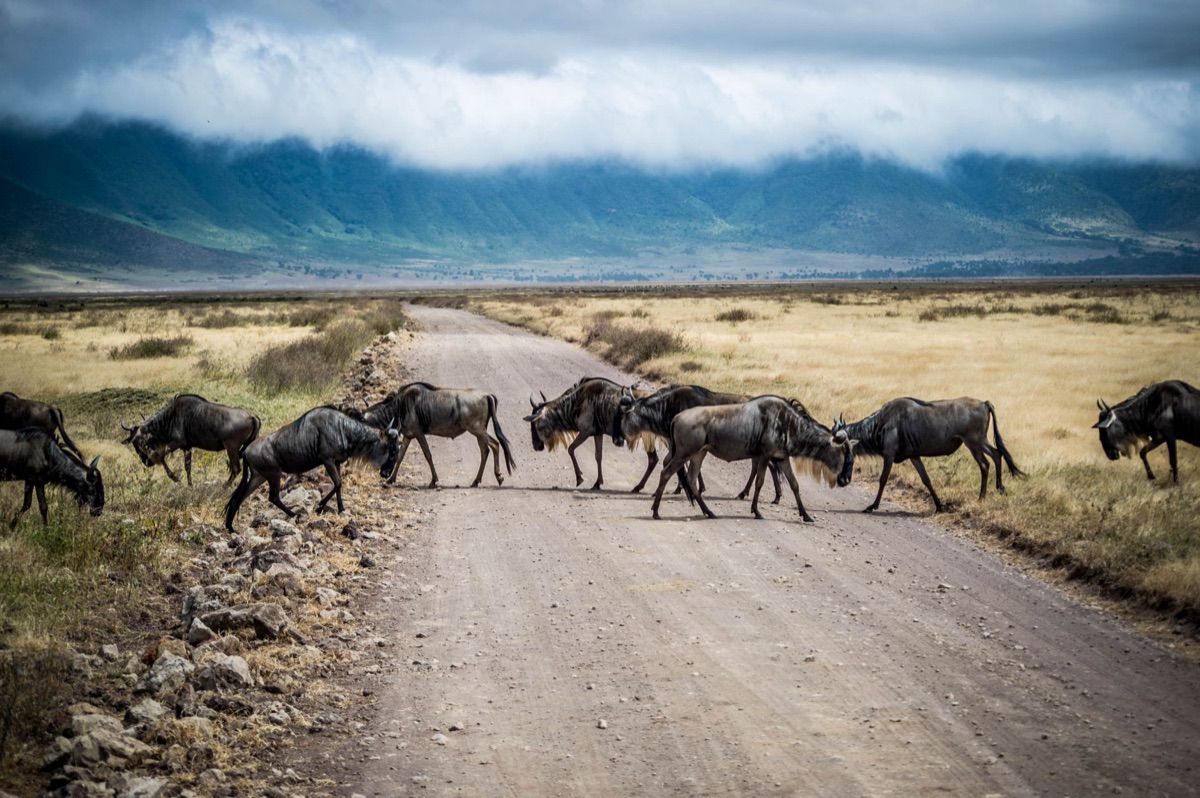
When exactly does the migration happen? The morning sun rose over the endless golden plains of the Serengeti in July 2026, casting long shadows that stretched toward the horizon. A low rumble, almost like distant thunder, vibrated through the ground as a massive wall of wildebeest began to move, their eyes fixed on the horizon.
The migration is not a single event but a continuous loop of movement. It is driven by the search for water and fresh grass, dictated by the seasonal rains that transform the Tanzanian landscape.
During the wet season, which roughly spans from December to March, the herds often congregate in the southern Serengeti and the Nduta area. This period is characterized by the calving season, where the high density of newborn wildebeest creates a surge of life on the plains.
As the dry season sets in from June to October, the migration shifts toward the north and east. The herds follow dwindling rains and seek more permanent water sources, leading to the legendary river crossings.
The calving season in January and February is perhaps the most intense period of life. The southern plains become a nursery, where the sheer number of births creates a concentrated mass of life that is both beautiful and dangerous.
In the dry migration phase, typically from July to September, the herds move into prime grazing areas often closer to the equator. This movement is a desperate search for sustenance as the southern grasses dry up.
But knowing the season is only half the battle.
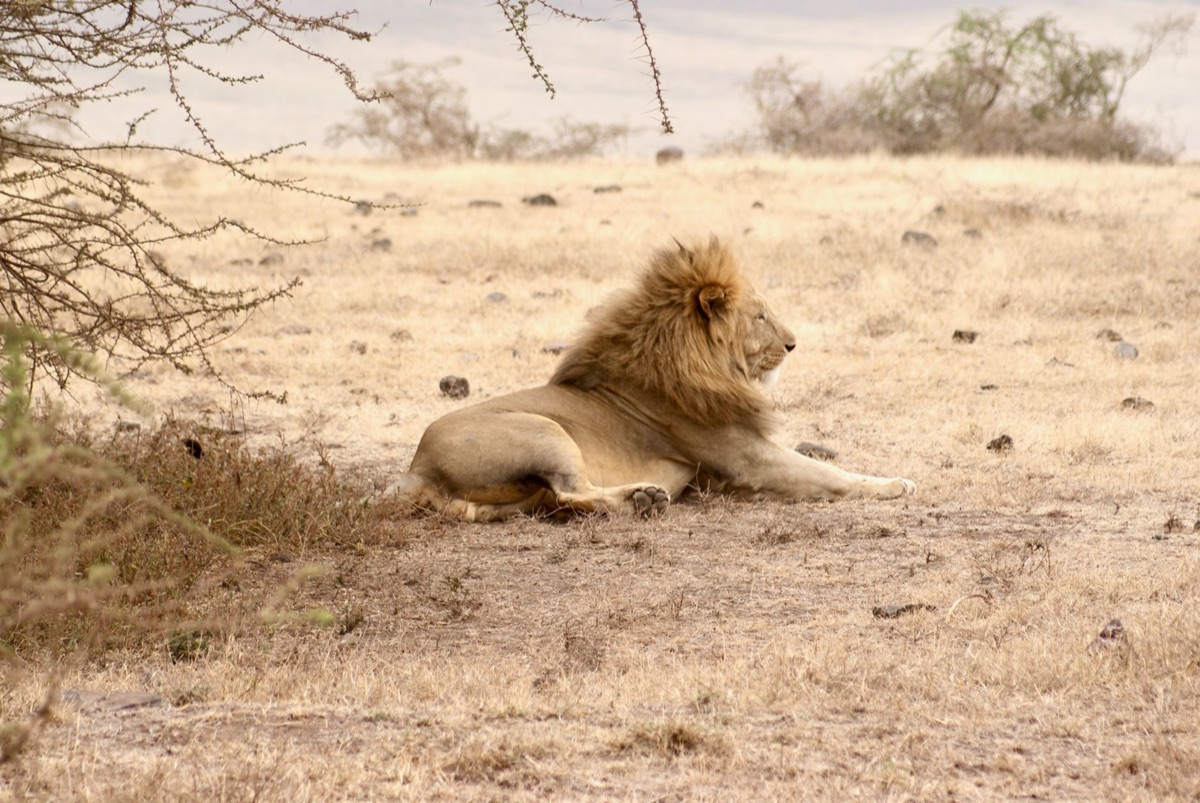
Where should I go depending on the month? I grip the edge of the safari vehicle at dawn, feeling the cool morning mist on my face while watching the silhouettes of the animals drift across the horizon.
I remember sitting in an open-top safari vehicle in late July 2025, the dust of the Serengeti coating my skin, as we watched a group of wildebeest stand nervously at the edge of a steep, muddy bank. The air was thick with anticipation, everyone knowing that a crossing was imminent.
Because the herds are always moving, your location must change to stay with them. If you stay in one lodge for two weeks, you might miss the very thing you traveled thousands of miles to see.
| Month | Primary Location | Primary Activity |
|---|---|---|
| January - February | South Serengeti (Nduta) | Calving Season |
| March - April | Central/Western Serengeti | Transitional Grazing |
| July - August | Northern Serengeti | Mara River Crossings |
| November - December | Southern Serengeti | Return Southward |
In January and February, you should head to the South Serengeti, specifically the Nduta region. This is the calving season, offering the highest chance of witnessing the miracle of mass births.
By March and April, the herds begin a transitional phase, moving northward from the calving grounds. This period offers excellent opportunities for mixed-species viewing as the herds spread out.
The peak of the drama occurs in July and August. During this time, you should be in the Northern or Central Serengeti, where the highest probability of dramatic Mara River crossings takes place.
In November and December, the cycle begins to reset. The herds start their return south, following the intermittent rains to set up for the next year's cycle.
However, the sheer scale of the herds is only one part of the story.
Beyond the Herds: Maximizing Your Big Five Encounters
The sun dipped low, turning the savanna into a sea of copper. A sudden burst of movement in the tall grass caught my eye—a leopard, camouflaged perfectly, eyes locked on a wandering calf.
While the migration is the main event, it is also the engine that drives predator-prey dynamics. The presence of millions of herbivores attracts the world's most efficient hunters.
The relationship between the migration and predators like lions, cheetahs, and leopards is symbiotic in terms of opportunity. Predators often time their presence or presence-density based on these massive movements.
Viewing strategies must change based on your goals. If you want to see the spectacle of life, focus on the calving season in the south. If you want to see the drama of death and survival, focus on the river crossings in the north.
It is also important to remember that the "Big Five" are not just tied to the migration. While the herds move, resident predators—lions and leopards that stay in specific territories—provide stable viewing opportunities year-round, regardless of where the wildebeest are.
But how do you actually organize a trip that follows this moving target?
Planning Your Safari: Logistics for Success
I stood in the airport terminal in Arusha, looking at a map of Tanzania, realizing that a successful safari required more than just a plane ticket; it required a strategy of movement.
Planning a trip to the Serengeti requires balancing the desire to see the migration with the logistical realities of travel.
A common mistake is booking a single, static itinerary. For those wanting to follow the migration, a multi-month or highly flexible itinerary is often necessary to catch the herds as they move through different sectors of the park.
Most travelers arrive via Kilimanjaro International Airport (JRO) or Arusha Airport. From there, you will likely take domestic flights to airstrips within the Serengeti to reach your specific lodge or camp.
Be aware of park fees and seasonal access. Some areas of the park may be harder to access during the peak of the wet season, and costs can fluctuate based on whether you are in a luxury lodge or a mobile tented camp.
To ensure you don't miss the moment, follow this checklist:
- Identify your primary goal: Do you want to see the calving season (South) or the river crossings (North)?
- Check seasonal accessibility: Verify that your chosen airstrip and road routes are open for your specific travel month.
- Book a multi-stop itinerary: Instead of one lodge, plan to move between at least two different regions to follow the herd's path.
- Prepare for variable weather: Pack waterproof gear for the wet season and heavy dust protection for the dry season.
- son
- Consult a local guide: Always verify the current herd position with your camp manager before committing to a specific direction.

Comments 0