East Africa Safari & Morocco: 14-Day Journey Awaits
"The wild calls from the savanna, but the soul finds its rhythm in the ancient streets of the medina."
To experience both the raw pulse of wildlife and the intricate beauty of human civilization in a single trip, you need a strategic 14-day itinerary that balances high-octane adventure with cultural immersion.
By splitting your time between an East African safari and a Moroccan city tour, you can witness the extremes of the natural and man-made worlds.
* The Strategy: Combine a high-density wildlife safari in East Africa with a cultural deep-dive in Morocco using efficient flight connections. * The Balance: Split your time between luxury safari lodges and boutique urban riads to manage both comfort and adventure. * The Timing: Target the dry seasons to maximize wildlife sightings and ensure pleasant walking weather in North African cities.
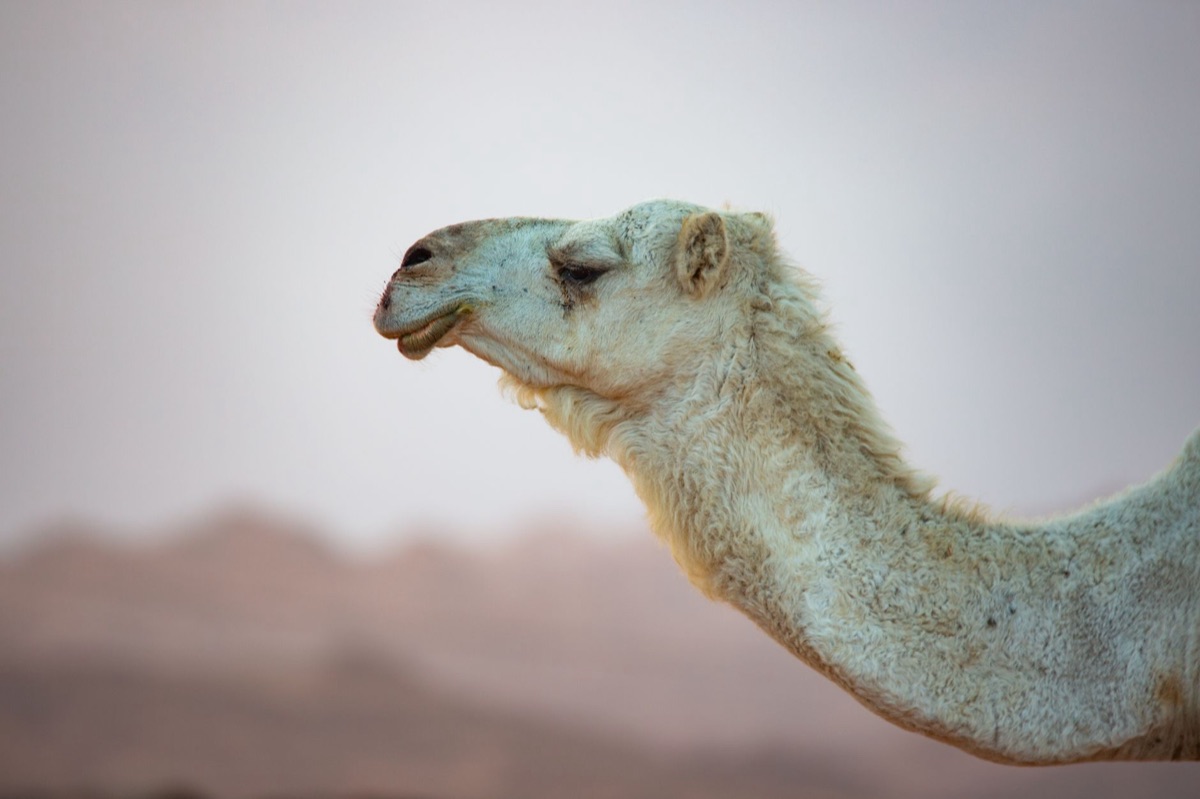
Why do you need a full two weeks?
The golden, sweeping plains of the Serengeti feel worlds away from the narrow, red-walled alleys of a Marrakech souk. These two environments are as different in sensory input as they are in physical distance, making a rushed trip feel fragmented rather than transformative.
According to the World Travel & Tourism Council (WTTC), the tourism industry directly contributed R102 billion to South Africa's GDP in 2012, reflecting the massive scale of the sector you will be exploring.
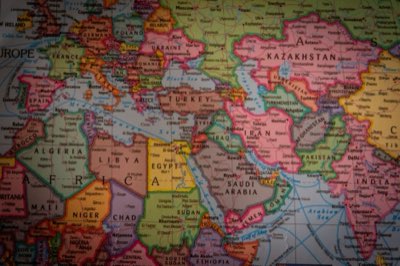
Africa is a massive, multi-layered continent where ecosystems and cultural histories vary wildly from one border to the next.
A 14-day window is the minimum required to witness the wild majesty of East Africa and explore the historical depth of North Africa without spending your entire vacation in transit.
If the trip is too short, you will spend more time in airports than in the bush; if it is too long, the logistical complexity and cost can become overwhelming.
This journey is about balancing the "pulse of life" found in a safari with the "breath of civilization" found in ancient cities. By dedicating specific blocks of time to each, you transition from the awe of nature to the wonder of human artistry.
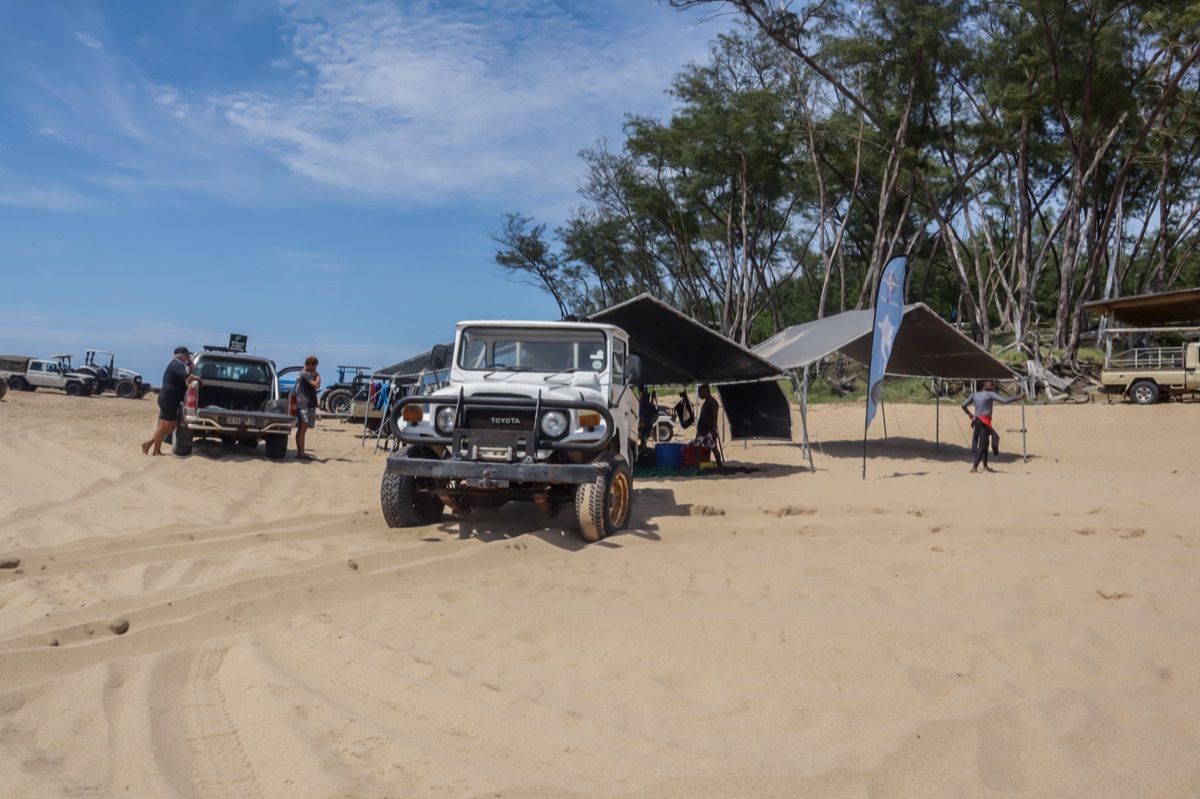
How can you capture the pulse of life in seven days?
The cold morning air bites at your skin while you climb into the heavy safari vehicle.
At 5:30 AM, the air is sharp and cool as you climb into a rugged safari vehicle. The only sound is the low hum of the engine, occasionally broken by the distant, haunting call of a bird or a grazing herbivore.
The first week focuses entirely on the wild expanses of East Africa. Regions like the Maasai Mara in Kenya or the Serengeti in Tanzania offer some of the highest wildlife densities on the planet. This vast region is also home to nearly 80 percent of the world's rhino population.
The secret to a successful safari is prioritizing observation over constant movement. Staying in lodges located within or on the edge of national parks allows you to follow the natural rhythm of the animals.
By dedicating the first half of your trip to the safari, you allow your senses to sharpen to the subtle movements of the wild before transitioning to a more urban setting.
| Category | East African Safari (Days 1–7) | Key Features & Essentials |
|---|---|---|
| Primary Destinations | Maasai Mara, Serengeti | Wildlife density, Great Migration |
| Accommodation | Safari Lodges, Luxury Tented Camps | Proximity to wildlife, nature-integrated |
| Essential Gear | Binoculars, dust scarves, neutral clothing | Better observation, natural camouflage |
How do you transition to the colors of civilization?
The transition from the bumpy, dust-filled tracks of a safari vehicle to the vibrant, tiled streets of a Moroccan medina is a sensory jolt. Instead of the quiet of the savanna, you are suddenly enveloped by the scent of spices and the warmth of the North African sun.
After completing your safari, you will fly to Morocco to shift your focus from survival and nature to art and history. While East Africa offers a look at the raw elements of life, Morocco provides a deep dive into human craftsmanship and architectural heritage.
In Morocco, you will navigate red-walled cities, the rugged Atlas Mountains, and the quiet expanses of the Sahara. Having spent a week attuned to the wild, you will be uniquely prepared to appreciate the intricate geometry of Islamic architecture and the organized chaos of the traditional markets.
The Perfect 14-Day Itinerary: From Day 1 to Day 14
A great trip requires a logical flow that prevents burnout. You must design the movement of your journey as carefully as you would a map.
- Days 1–2: Arrival and Acclimatization
- * Arrive at Nairobi or Arusha airports. * Rest and adjust to the local altitude. Spend time checking gear and preparing for the first game drives.
- Days 3–6: The Heart of the Safari
- * Stay in lodges within national parks. * Engage in daily game drives to spot the "Big Five" (lion, leopard, elephant, buffalo, and rhino). * Follow seasonal migration routes to maximize sightings.
- Day 7: The Great Transition
- * Take a flight from East Africa to Morocco. * Use this day for rest and to transition from the wild to an urban environment.
- Days 8–10: Urban Exploration
- * Explore the medinas of Marrakech or Fes. * Wander through traditional souks and participate in local craft workshops.
- Days 11–13: Desert or Coastal Immersion
- * Travel to the Sahara Desert (such as Merzouga) for camping or visit the blue streets of Chefchaouen. * Enjoy a period of quiet reflection in a vast, natural setting.
- Day 14: Departure
- * Final souvenir shopping and transit to the airport for your flight home.
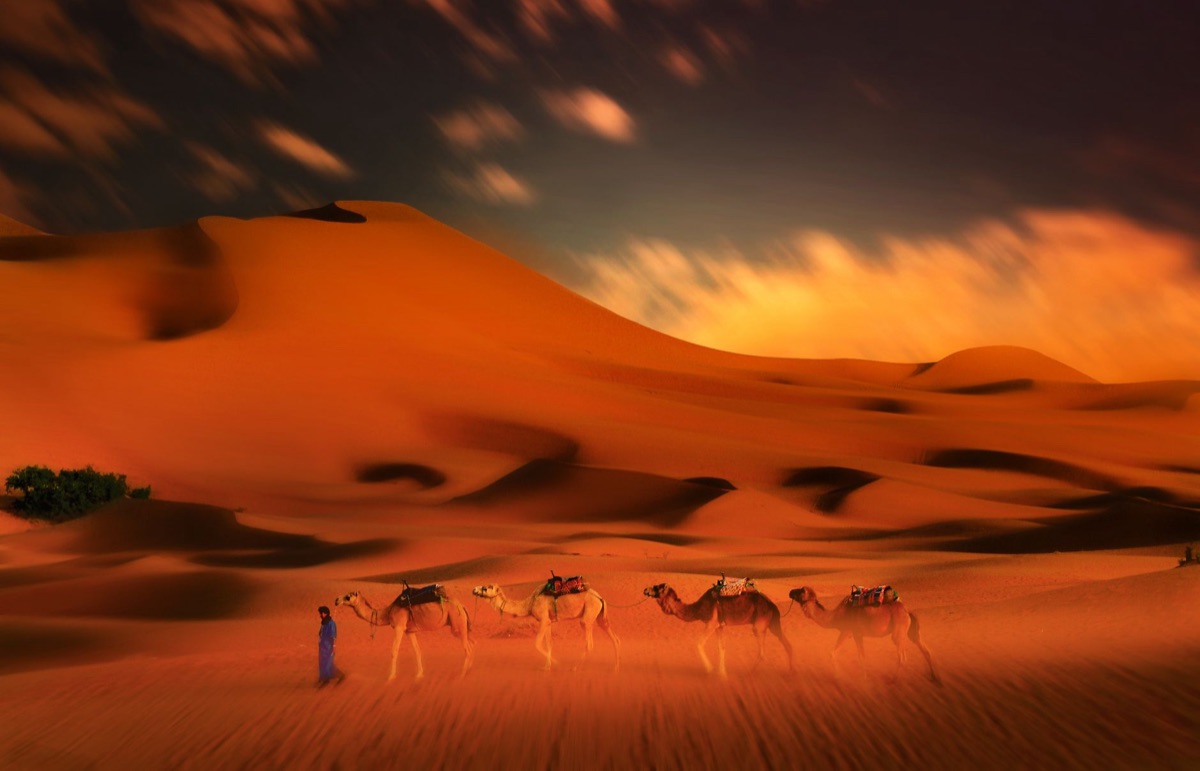
Pro Tips: Avoiding Common Travel Pitfalls
You must learn to balance the sudden dust of a safari track with the bustling noise of a crowded city.
In the safari setting, clothing and safety are paramount. Avoid bright colors that might startle animals or ruin your camouflage; instead, pack beige, khaki, or brown tones. Because dust is constant during the dry season, a high-quality scarf and polarized sunglasses are non-negotiable.
In Morocco, respect for local customs is essential. When visiting mosques or religious sites, adhere to dress codes by keeping shoulders and knees covered. Be mindful of photography; always ask before taking portraits of local residents.
Additionally, stay vigilant regarding petty theft in crowded markets by keeping your valuables secure.
| Situation | Recommended Action | Reason |
|---|---|---|
| Inside a Safari Vehicle | Pack layers/outerwear | Extreme temperature shifts between dawn and dusk |
| Moving between regions | Book flights in advance | Maximizes efficiency and minimizes travel fatigue |
| Local Transactions | Carry local currency (cash) | Necessary for small markets and remote lodges |
Enhancing the Depth of Your Journey
The emotional impact of a safari is often best when it is augmented by surrounding natural wonders.
During your safari leg, consider linking your primary destination with nearby parks. For example, if you are in the Maasai Mara, you might include Lake Nakuru to see vast flocks of flamingos. This keeps travel times low while significantly increasing the variety of species you encounter.
In Morocco, look for the intersection of city and nature. While staying in Marrakech, a day trip to the Atlas Mountains offers a stunning contrast to the city. Similarly, a route that moves from the intensity of Fes into the quiet of a desert camp provides a perfect balance of density and openness.
Finding the Best Views: Capturing Life-Changing Moments
Do not miss the moment the sun breaks over the horizon or the way a mosaic pattern catches the light at the end of a narrow alley.
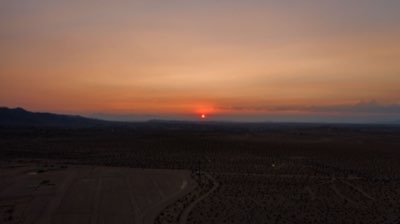
For the safari, the "Golden Hours"—just after sunrise and just before sunset—are everything. The low-angle light brings out the texture of animal fur and the deep colors of the landscape. Keep a telephoto lens ready to capture the intense connection of an animal's gaze.
In Morocco, rooftop terraces are your best vantage points. Looking out over the sea of rooftops in a medina offers a panoramic view of the city's history.
For a truly spiritual experience, the starlit skies of the Sahara, far from any light pollution, provide a natural masterpiece that rivals any architectural wonder.


Comments 0