Big Five viewing guide: Observe African animal behavior
"The vast landscapes of the African continent offer more than just scenery; they provide a profound connection to the rawest elements of nature."
A successful Big Five viewing guide requires patience, specialized equipment, and an understanding of animal behavior to ensure safe and meaningful sightings.
This guide covers the fundamental standards for tracking large predators and herbivores, while highlighting the importance of timing and regional knowledge.
You should prepare for unpredictable weather, focus on habitat-specific tracking, and recognize that seasonal migrations often dictate visibility.
What defines a Big Five viewing guide?
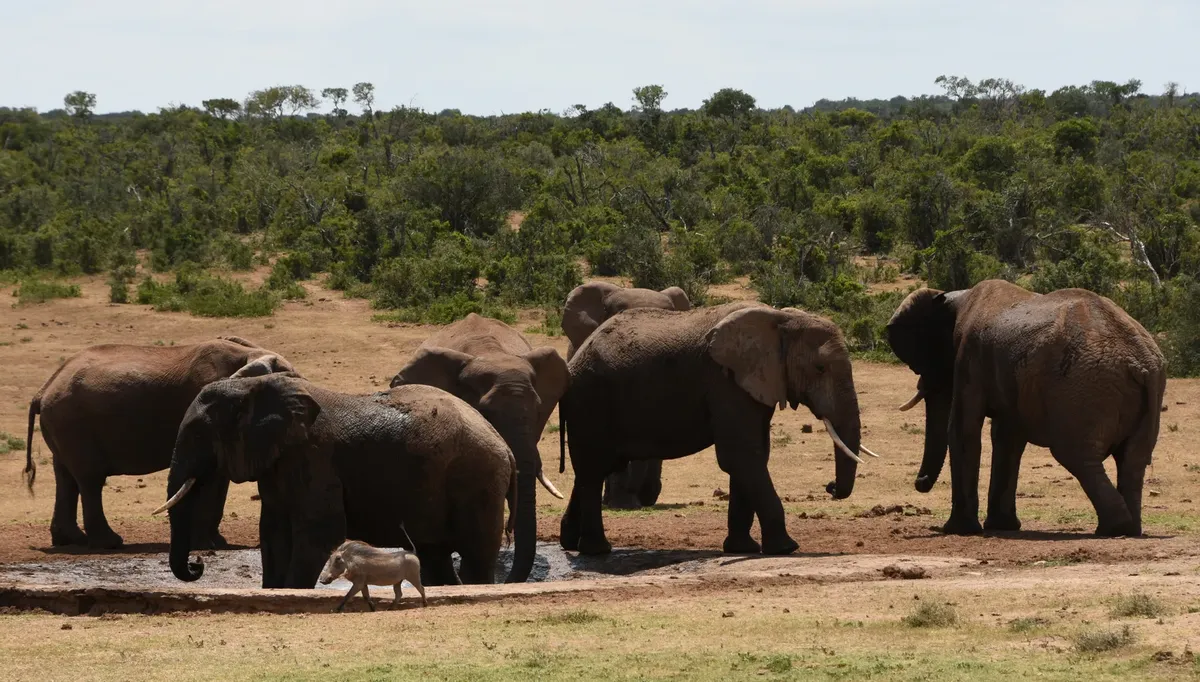
A traveler sits in a dusty safari vehicle, scanning the golden savanna for any sign of movement among the acacia trees.
Determining the right approach involves understanding that the term "Big Five" refers to a specific group of animals traditionally hunted on foot, though modern viewers seek them for photography and conservation.
A proper Big Five viewing guide focuses on the unique biological needs of lions, leopards, elephants, rhinos, and buffalo.
Effective observation relies on understanding how these species interact with their environment. For instance, tracking a leopard requires looking for subtle signs in trees, whereas spotting an elephant often involves listening for heavy footsteps or distant calls.
Safari planning advice suggests that understanding these behavioral differences is the first step toward a successful outing.
A comprehensive guide must cover identification, habitat, and behavioral traits.
How can I secure optimal animal sighting?
The sun rises over the horizon, casting long shadows that hide the movements of stalking predators. Achieving an optimal animal sighting often depends on being in the right place during the golden hours of dawn and dusk when animals are most active.
Success is not guaranteed, but following certain environmental cues can increase your chances. You must monitor water holes, track fresh tracks in soft soil, and observe the behavior of smaller animals like birds or monkeys that might indicate a predator's presence.
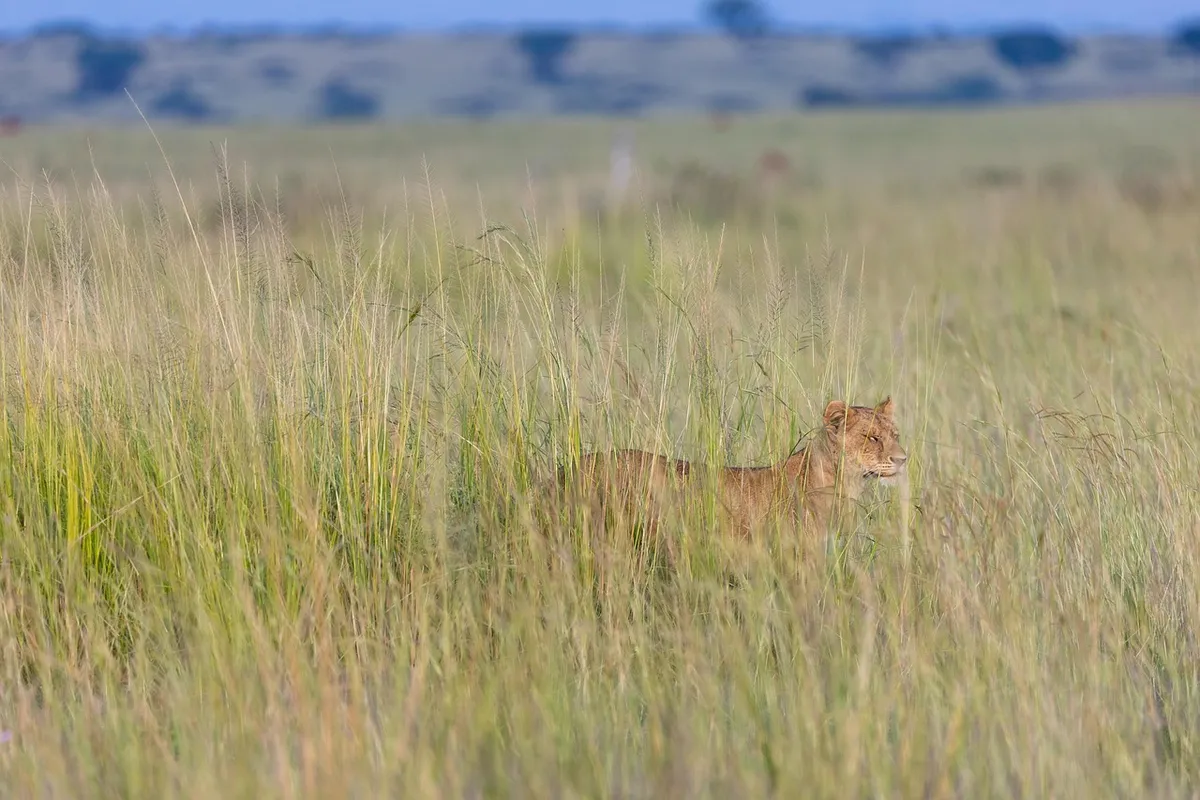
This type of tracking requires a keen eye for detail and a quiet presence to avoid spooking the wildlife.
- Research the specific habitats of the target species.
- Coordinate with experienced local guides.
- Pack essential optics and field gear.
According to IMF, the 2020 record includes 2%.
What are the best region for sighting opportunities?
A guide points toward a vast stretch of plains where the grass meets the sky in a seamless line. Identifying the best region for sighting depends heavily on the specific season and the migratory patterns of the animals you wish to see.
Different ecosystems offer varying levels of success for different species. For example, certain river basins are better for hippos and elephants, while rocky outcrops might provide better opportunities for leopards.
Safari animal viewing tips often emphasize choosing a destination that aligns with the specific animal's seasonal habitat.
In this order, the second is the most extensive.
How do I master tracking animal behavior?
A ranger kneels in the dirt, tracing a deep indentation left by a heavy paw. Mastering the art of tracking animal behavior involves learning to read the subtle physical clues left behind in the landscape.
You should look for: 1. Spoor and tracks to determine the size and direction of movement. 2. Scat and feeding signs to understand recent diet and activity. 3. Disturbed vegetation or broken branches to locate arboreal or nesting animals.
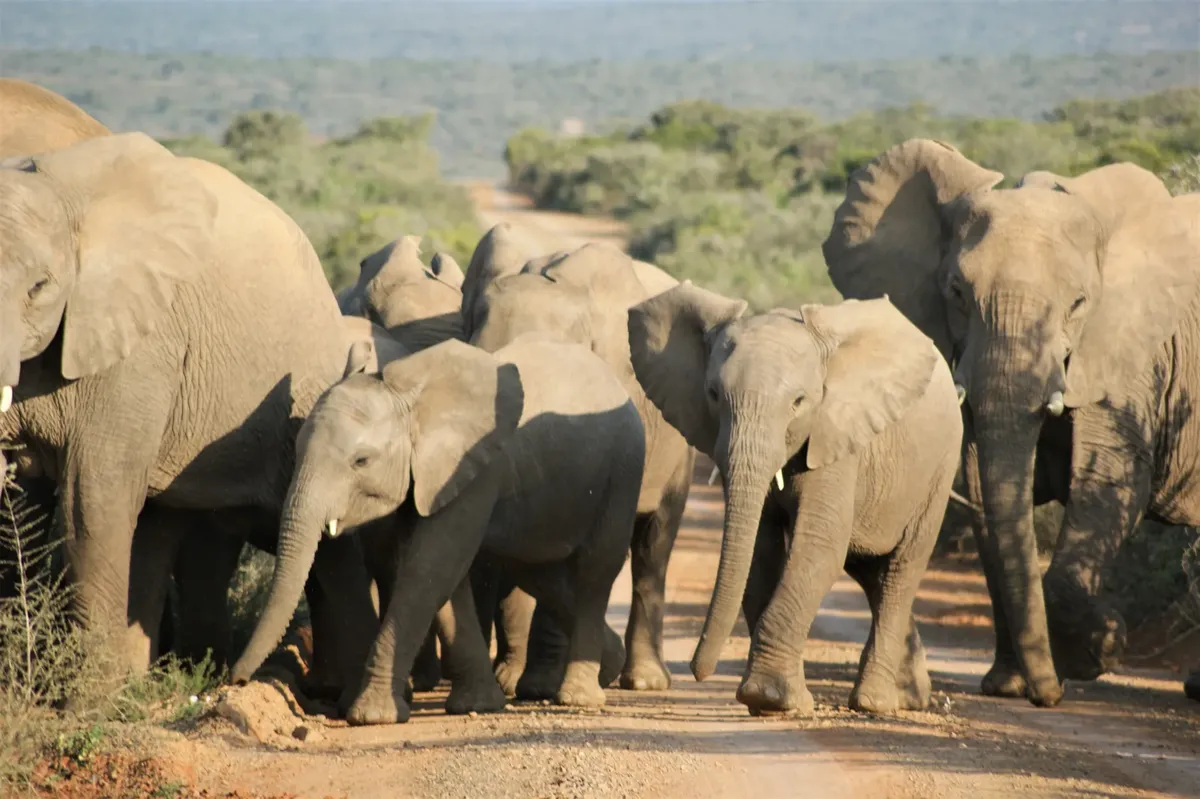
After identifying these signs, a final check of the wind direction is necessary to ensure you are approaching from downwind. This level of detail ensures that you remain a silent observer rather than a disturbance.
Observe subtle cues in movement and environmental disturbances.
What is the importance of African Big Five watch preparation?
A traveler packs a heavy pair of binoculars and a high-zoom lens into a rugged duffel bag. Preparing for an African Big Five watch requires both physical readiness and the right gear to handle the elements.
As stated by the IMF, 15 African nations hold significant debt risk, and as of 2022 seven were in financial crisis according to the IMF.
It is essential to have high-quality optics to see distant subjects clearly without encroasshing on their space. Additionally, having versatile clothing that allows for temperature regulation is vital for long hours spent in open vehicles.
Proper preparation minimizes distractions so you can focus entirely on the natural drama unfolding around you.
Proper preparation ensures both safety and successful encounters.
How does seasonal change affect viewing?
Rain clouds gather on the horizon, signaling a shift in the rhythm of the wild. Seasonal changes significantly impact the visibility and density of animals across the continent.
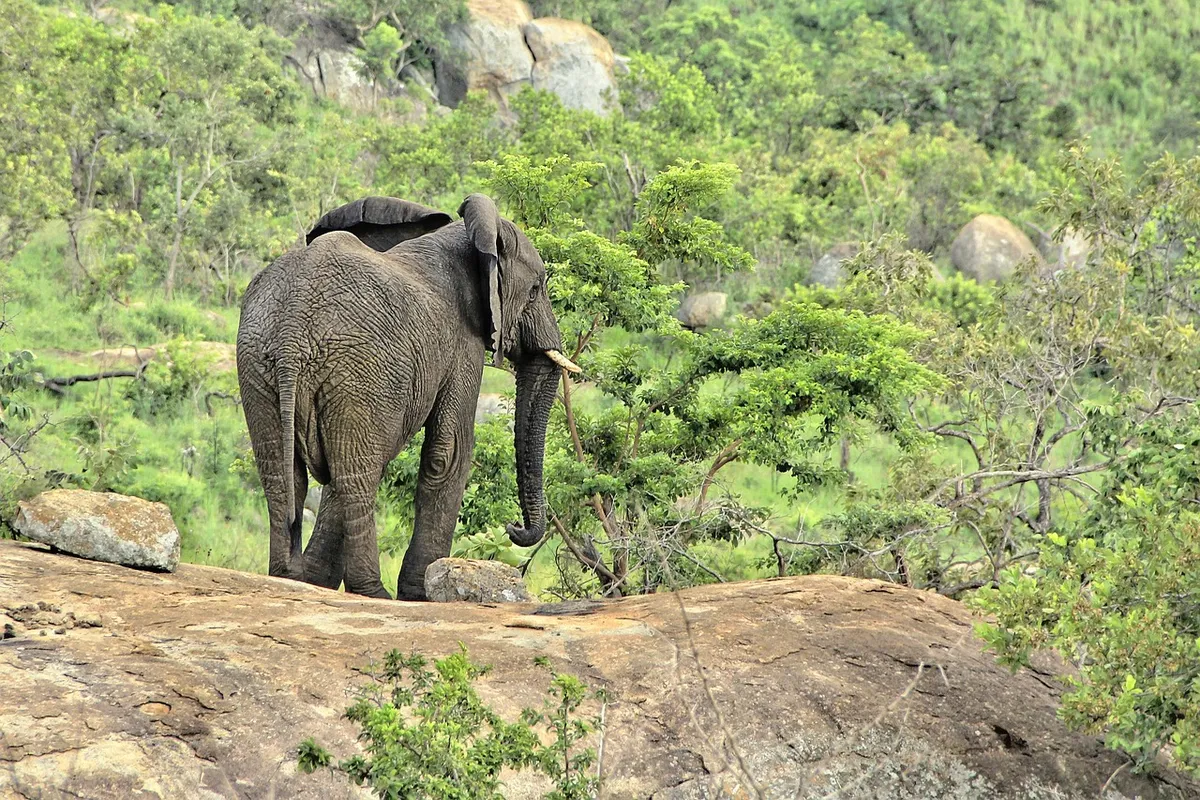
During the dry season, animals often congregate around dwindling water sources, making them much easier to locate. Conversely, the wet season can bring lush vegetation that provides excellent camouflage, making sightings more challenging but often more spectacular due to newborn animals.
Understanding these cycles is a core component of any wildlife viewing standard.
Dry seasons often concentrate animals around water sources, making them easier to find.
Wikipedia: Economy of South Africa Based on the retained excerpt mentioning Tourism Council: According to the World Travel & Tourism Council, travel and tourism directly contributed ZAR102 billion to South African GDP in 2012 and supports 10.3% of jobs in the country.
Related
- Cheetah viewing locations: Guide to prime big cats viewing
- How many heritage sites influence travel routes?
What cautions must I keep while observing the vast landscapes?
The vast landscapes of the African continent demand respect for the powerful forces of nature. Viewers must maintain a respectful distance from all wildlife to ensure the safety of both themselves and the animals.
Observing the animals in their natural rhythms is preferable to attempting to influence their behavior.
- Always remain quiet when tracking movements. 2. Never approach an animal without a clear reason related to its natural cycle. 3. Always be aware of the wind direction when observing tracks.
This adherence to observation ethics preserves the integrity of the viewing experience. The vast landscapes hold incredible life, and responsible viewing protects that life.
How does the environment influence the viewing experience?
The vast landscapes of the African continent dictate the conditions under which successful observations occur. The specific conditions of the environment directly affect the visibility of the Big Five.
For example, the dryness of the season concentrates animals near dwindling water sources, making them easier to locate for the observer.
The presence of lush vegetation during the wet season presents a different challenge compared to the dry season. This abundance of plant life offers excellent camouflage to the animals, which complicates the task of finding them.
Experienced observers must adapt their tracking methods to match the current environmental state.
The vast landscapes, therefore, serve as a dynamic stage where the interplay between animal behavior and environmental condition determines the outcome of the viewing excursion. This interplay requires the observer to be highly attuned to subtle shifts in the setting.

Comments 0