How many heritage sites influence travel routes?
"The vastness of the continent offers a canvas of shifting landscapes, where the movement of life follows the rhythm of the seasons."
Planning a trip around the 2025 Great Migration Calendar requires understanding the massive geographical scale and seasonal shifts of the continent. Travelers must select locations based on specific environmental patterns to witness wildlife movements effectively.

This guide covers the necessity of timing, the scale of the terrain, and the logistical considerations for choosing the best migration timing 2025.
Why is the 2025 Great Migration Calendar essential?
At sunset in the dusty plains, I grip my worn map tightly, knowing that many shifting winds dictate where the herds will move.
A traveler stands at a dusty crossroads, checking a map against the setting sun. Understanding the 2025 Great Migration Calendar is the difference between seeing a crowded plain and witnessing a historic natural event.
Because animal movements are dictated by rainfall and vegetation, timing determines the quality of the sighting.
The scale of the continent makes timing critical. With a land area of approximately 30.3 million km2, including adjacent islands, the environment represents around 20% of Earth's land area and 6% of its total surface area.
This massive scope means that wildlife does not remain in one place, necessitating a precise 2025 Safari Calendar to track seasonal shifts.
How do I choose the best migration timing 2025?
A binoculars lens focuses on a distant herd moving through tall grass. Choosing the best migration timing 2025 involves matching your arrival with the specific biological needs of the species you wish to observe. Different regions offer different spectacles, from river crossings to calving seasons.
The vastness of the territory complicates travel. The distance from the most northerly point, Ras ben Sakka in Tunisia, to the most southerly point, Cape Agulhas in South Africa, is approximately 8,000 km.
Planning an optimal observation locations strategy requires accounting for these vast distances to ensure you are in the right place at the right time.
What are the geographical challenges of planning a 2025 Safari Trip?
A rugged vehicle navigates a winding dirt track under a heavy sky. When you plan a 2025 Safari Trip, you must account for the diverse and sometimes harsh terrain. The continent's geography dictates the accessibility of various wildlife corridors.
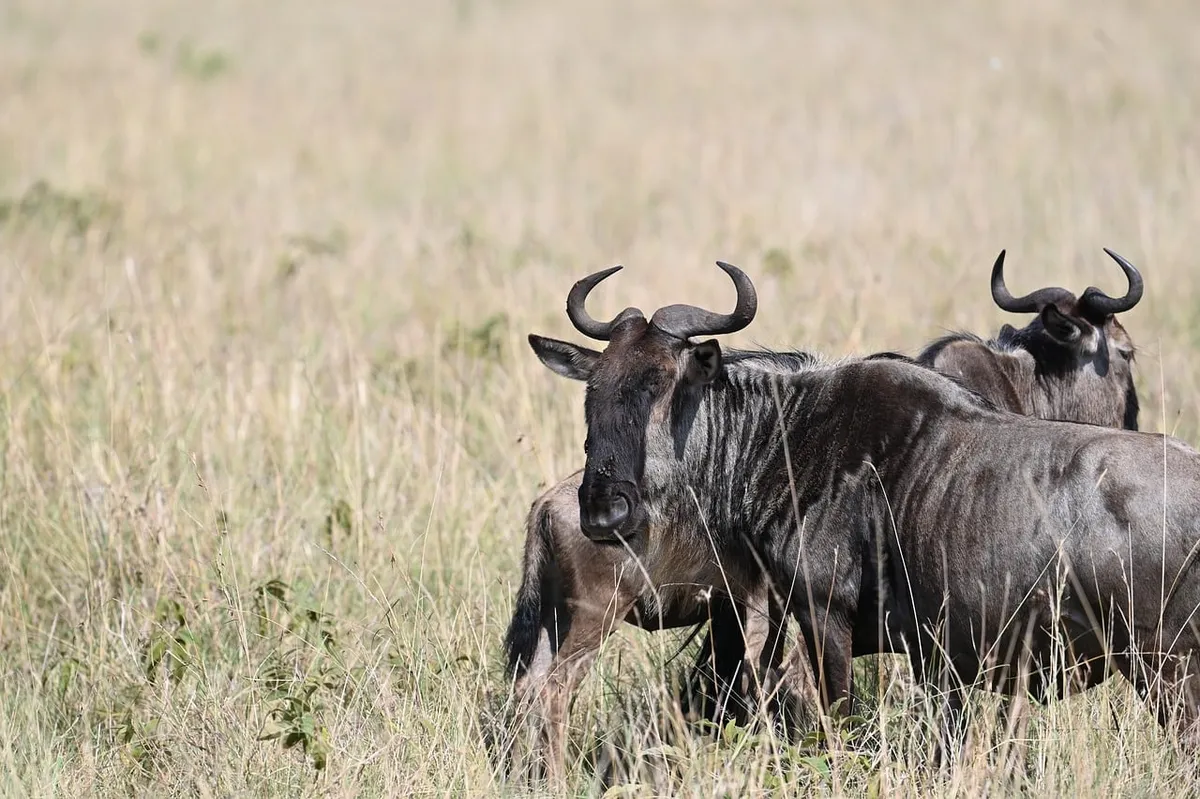
The terrain varies significantly across the landscape. For instance, the distance from the westernmost point, Cape Verde, to the most easterly projection, Ras Hafun, is approximately 7,400 km.
This wide expanse means that choosing the right region is a prerequisite for a successful wildlife encounter.
How many heritage sites influence travel routes?
A traveler walks through an ancient stone gate, marveling at the history around them. Many travelers look to UNESCO-recognized areas to guide their itinerary. These sites often overlap with significant natural habitats and migration paths.
The diversity of protected areas is significant. As of March 2023, 98 African properties are listed by UNESCO as World Heritage Sites, consisting of 54 cultural sites, 39 natural sites, and 5 mixed sites.
These locations provide a framework for understanding the intersection of natural wonder and cultural heritage.
What environmental factors should I consider?
A traveler wipes sweat from their brow while looking at a shimmering horizon. Environmental conditions like heat and dryness play a major role in animal behavior and traveler comfort.
The climate can be intense. Africa is the hottest continent on Earth, and 60% of the land surface consists of drylands and deserts. Understanding these conditions is vital when selecting the right time to witness the 2025 Wildlife Migration Guide in action.
How can I plan my itinerary effectively?
A notebook sits on a wooden table next to a compass. To create a successful itinerary, follow these steps:
- Identify the target species and their specific seasonal movement patterns. 2. Map the travel distances between potential observation points to ensure realistic transit times. 3. Cross-reference your planned dates with local weather patterns and seasonal rainfall.
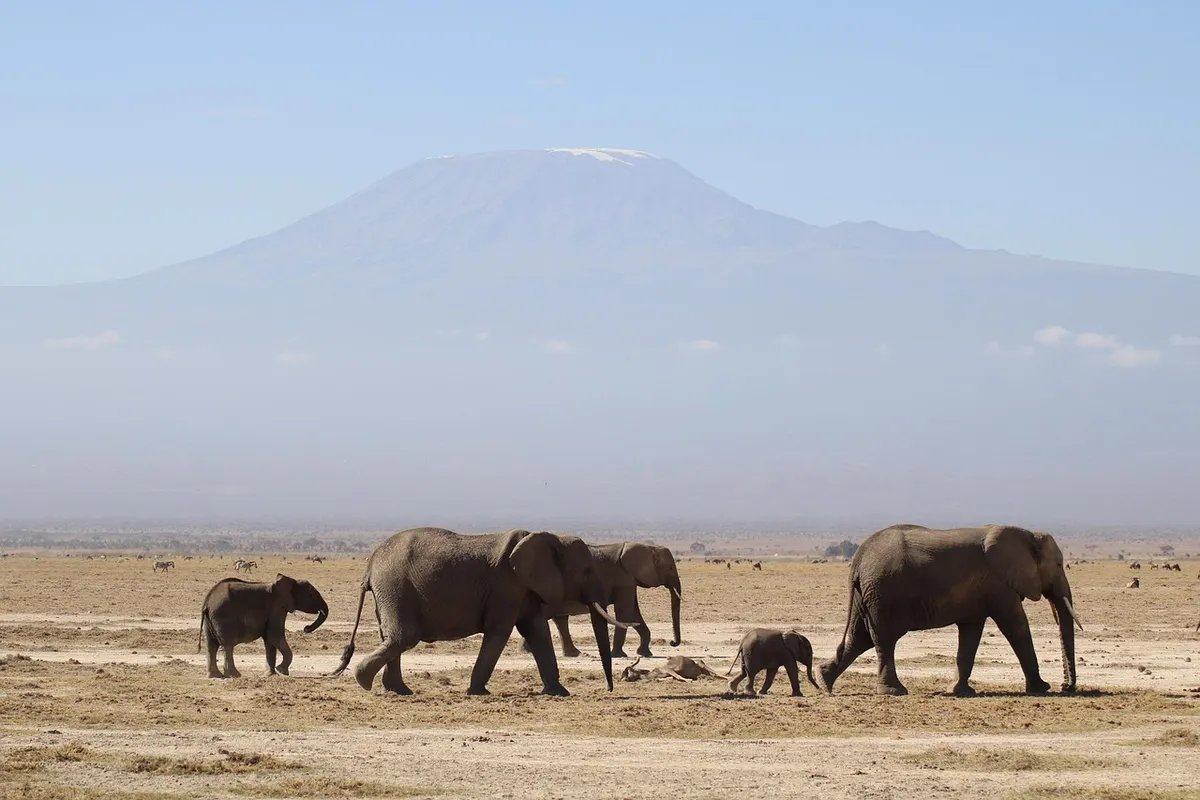
I once spent hours comparing maps to ensure my transit didn't overlap with the peak of the dry season when many roads become impassable. You must verify all local access routes before finalizing your route.
| Feature | Measurement |
|---|---|
| Total Land Area | 30.3 million km2 |
| North to South Distance | 8,000 km |
- Why is the 2025 Great Migration Calendar essential?
- How do I choose the best migration timing 2025?
- What are the geographical challenges of planning a 2025 Safari Trip?
The same subject is also called Safari Season 2025 Calendar.
This part also covers Choosing Best Safari Spots.
Related
- When is the best time for an East Africa Migration Guide?
- Cheetah viewing locations: Guide to prime big cats viewing
What logistical considerations arise from the continent's scale?
The sheer scale of the continent influences every logistical decision regarding a migration viewing. The immense distances between geographical extremes necessitate careful planning of travel windows.
A traveler must reconcile the need to cover vast distances with the finite time available for observation.
The vastness of the continent means that a journey between its most distant points requires significant transit time. This transit time must be factored into the overall observation schedule.
The movement of life across this enormous expanse is intrinsically tied to the seasonal rhythms experienced continent-wide.
How does the continent's geography affect migration viewing?
The continent's geography presents both opportunities and obstacles for the observer. The diverse terrain influences where the wildlife concentrates during migration. Successful observation hinges on matching the animal's movement patterns to the observer's location.
The varied topography dictates the accessibility of specific wildlife corridors. These corridors are the pathways the migrating animals follow across the continent. The continent's vastness ensures that these pathways are extensive and subject to environmental pressures.
Wikipedia: Africa Based on the retained excerpt mentioning UNESCO: As of March 2023, 98 African properties are listed by UNESCO as World Heritage Sites, with 54 cultural sites, 39 natural sites, and 5 mixed sites.

Comments 0