Big Five Tracking: East vs. South Africa Success Guide
"The thrill of the hunt is not in the catch, but in the moment the golden eyes of a lion catch the light through the acacia leaves."
To see the Big Five, you cannot simply pick a country and hope for the best; you must match your itinerary to the specific biological rhythms of the land.
Success requires aligning your arrival with the dry season and the migratory movements that concentrate predators and prey in predictable pockets.
Key Takeaways * Location is Destiny: The density and variety of the Big Five depend on the specific ecosystem, such as the open plains of the Serengeti versus the dense bush of South Africa.
* Timing is Strategy: The dry season typically offers the best sightings as animals congregate around shrinking water sources. * Expertise is Essential: Finding a leopard or a rhino requires professional trackers and specific topographical knowledge, not just a driving tour.
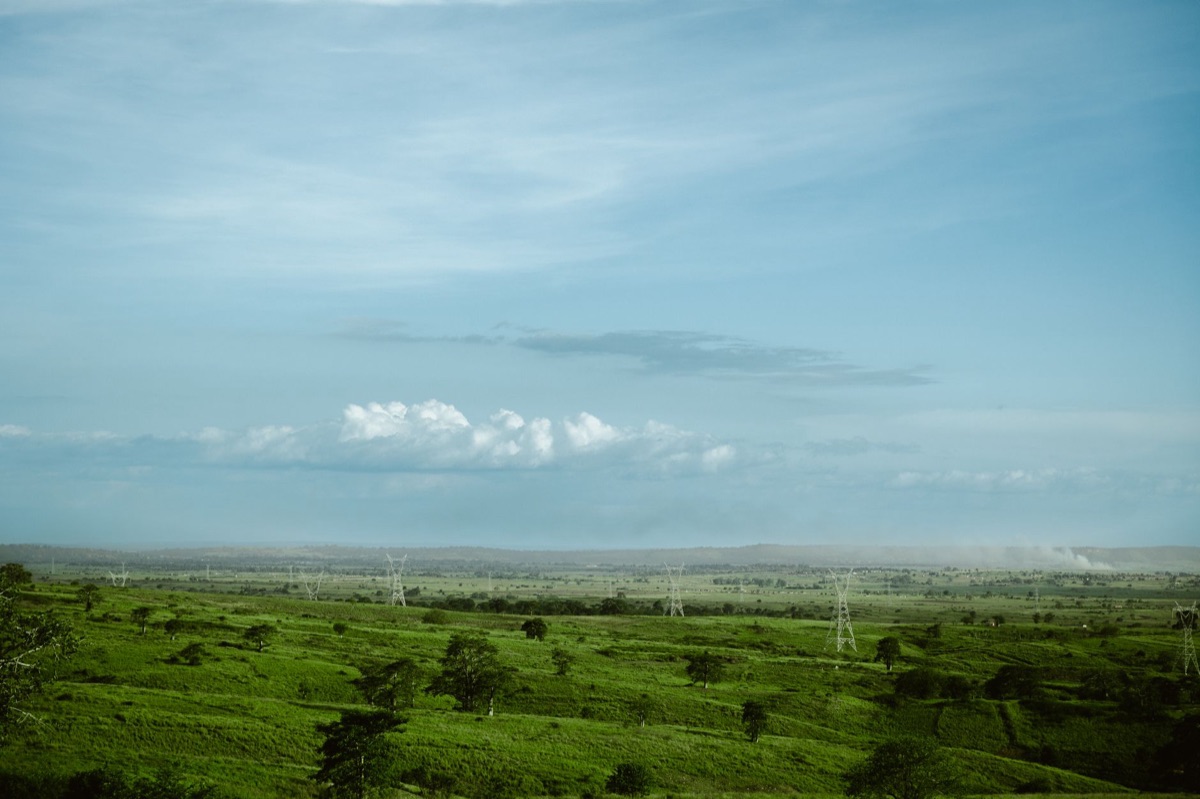
Where and when should I go to see the Big Five? The dust hangs heavy over the orange earth of the Savannah as a Land Rover crawls through the tall grass of the Maasai Mara. You hold your breath, watching a thicket of thorn trees, wondering if the movement you saw was just the wind or the heavy shoulder of a Cape buffalo.
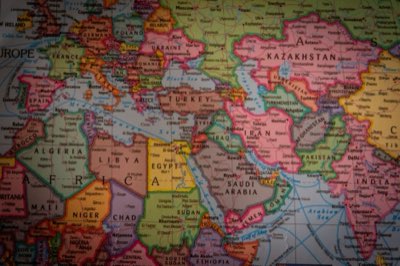
If you want the highest probability of seeing all five species in a single trip, you should focus on East Africa (Kenya and Tanzania) or Southern Africa (South Africa and Botswana). The choice depends on whether you value sheer volume and the Great Migration or more intimate, specialized encounters.
The migratory patterns of the Great Migration dictate the prime viewing window, often concentrating predators like lions and leopards in specific regions at specific times.
Habitat also plays a decisive role; for instance, the wide-open plains of the Serengeti are perfect for spotting lions and elephants, while the rugged terrain of certain South African parks might be better for leopards.
Tailoring your trip to the specific range of your target animal is the difference between a mediocre vacation and a life-changing expedition. If your primary goal is the rhino, you will look toward different parks and conservation areas than if you are hunting for the elusive cheetah.
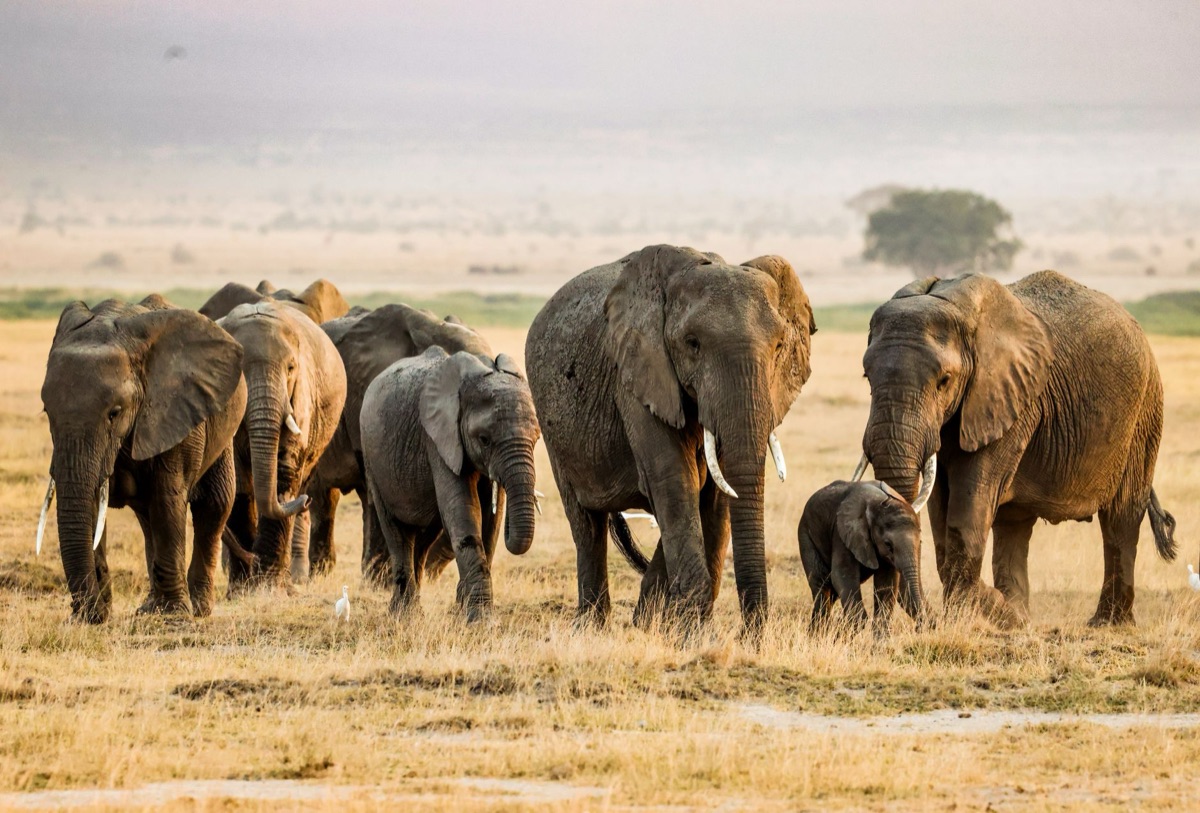
Where exactly can I find each member of the Big Five? A sudden crack of a branch in the dense thicket sends a chill through the air, and the guide whispers for everyone to remain silent. You scan the greenery, knowing that the most iconic animals of the continent are masters of camouflage and patience.
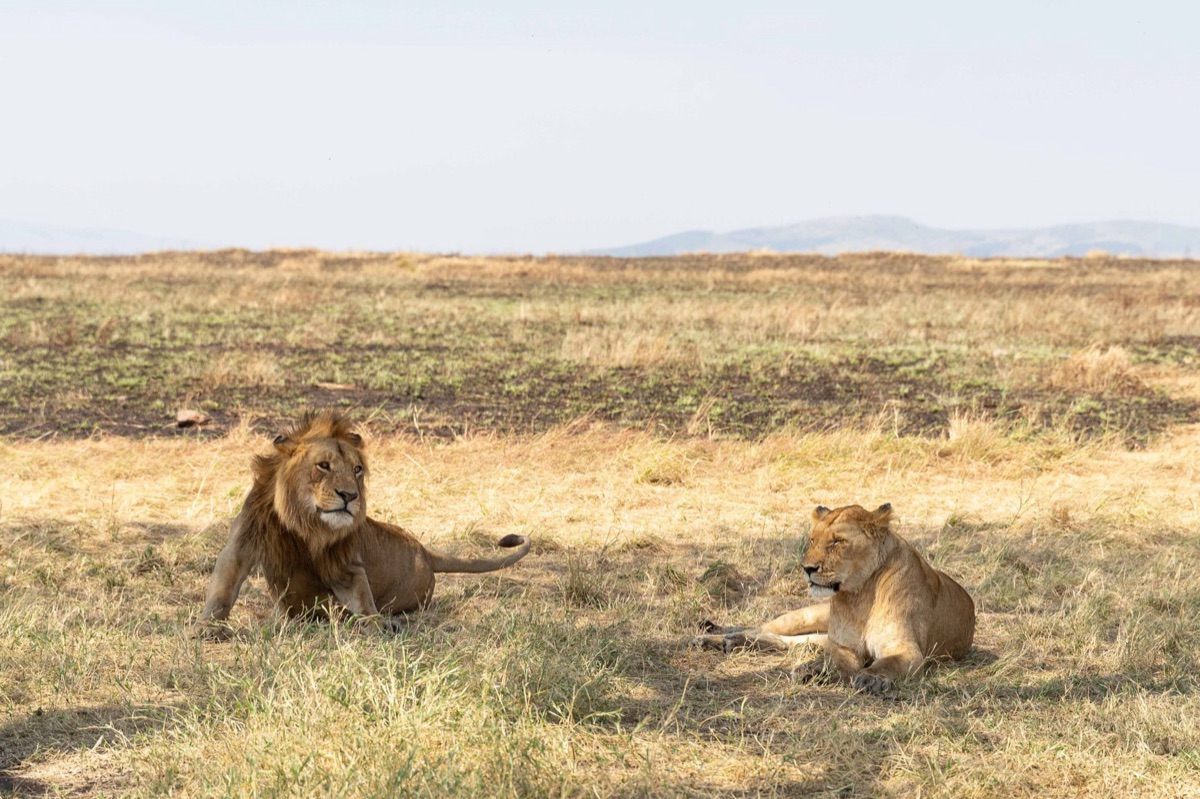
Lion For reliable lion sightings, the established safari circuits of the Maasai Mara and the Serengeti offer the highest density.
These predators thrive in the vast grasslands where they can hunt large ungulates, and the sheer number of prides makes them one of the more "accessible" members of the Big Five.
Elephant Elephants are found across much of the continent, but the massive herds of East and Southern Africa provide the most dramatic viewing. Their movements are often tied to seasonal water availability and migratory routes through Amboseli or Chobe.
Rhino Tracking a rhino is a much more difficult endeavor and requires specific knowledge of subspecies and conservation-protected areas.
Because they are often solitary and sensitive to disturbance, sightings usually require expert trackers and a willingness to search through more rugged, less frequented terrain.
Cheetah Success in spotting a cheetah depends on understanding their need for sightlines and speed. They favor open savannas and scrublands where they can utilize their camouflage and sprint.
Finding them requires scanning the horizon and looking for the slight movement of an ear or a tail in the grass.
Leopard The leopard is widely considered the hardest of the Big Five to track. They are solitary, nocturnal, and masters of hiding in dense bush or climbing high into trees.
Finding them requires a guide with an eye for the subtle texture of leaves and the ability to navigate cliffs and thick canopy.
🗓️ Timing is Everything: The Ultimate Safari Calendar
The sun rises over the horizon, casting long, dramatic shadows across the cracked earth of the dry season. You sit on the edge of the vehicle, feeling the sudden drop in temperature as the morning chill meets the vast, empty landscape.
Peak Season vs. Shoulder Season The dry season is generally the "peak" for wildlife viewing. As water sources vanish, animals are forced to congregate around permanent water holes, making them much easier to locate.
The shoulder season—the transition between wet and dry—offers a beautiful landscape and fewer crowds, though animals may be more dispersed.
The Great Migration Factor The movement of millions of wildebeest and zebras creates a predictable cycle of predator-prey interaction.
This migration dictates the prime viewing window; when the herds move, the lions and leopards follow, creating a concentrated window of opportunity for observers.
Optimal Viewing Window In East Africa, the period between June and October is often the gold standard for sightings. During these months, the vegetation is thinner and the animals are more predictable.
However, always check the specific park's recent rainfall, as a late rainy season can shift animal movements and visibility.
Travel Consideration Always plan with contingencies in mind. If the migration is delayed due to unusual weather, your itinerary should have enough flexibility to move to a different ecosystem to ensure you aren't left watching empty plains.
✈️ Destination Deep Dive: Country Profiles for Big Five Pursuits
The scent of wild sage and woodsmoke fills the air as you cross the border, moving from one distinct landscape into another. The transition from the rugged mountains of the north to the sprawling plains of the south is a reminder of the continent's immense scale.
Kenya vs. Tanzania These two neighbors offer the quintessential safari experience. Tanzania's Serengeti is vast and offers a massive scale of wildlife, while Kenya's Maasai Mara provides slightly more accessible and concentrated sightings of the Great Migration.
Both are world-class for the Big Five, but the choice often comes down to budget and specific animal density.
South Africa South Africa is a powerhouse for safari enthusiasts, particularly due to the Kruger National Park and its surrounding private reserves.
It offers a unique blend of high-end luxury and reliable sightings, often providing easier access to the Big Five and a more developed infrastructure than many remote East African parks.
Botswana and Namibia For those seeking a more rugged and exclusive experience, Botswana and Namibia offer incredible value in terms of solitude and specialized encounters.
Botswana’s Okavango Delta provides a water-based safari experience that is unmatched, while Namibia offers dramatic landscapes and unique desert-adapted wildlife.
Logistics Check Navigating the continent requires understanding visa requirements and local cultural contexts. For example, integrating with the traditions and knowledge of the Maasai people can provide invaluable insights into animal behavior and land management.
🧭 Tailoring Your Journey: From Concept to Confirmation
You sit at a wooden table in a remote lodge, a map spread out before you and a notebook filled with scribbled observations. The planning phase is where the dream of the safari begins to take a concrete, actionable shape.
Route Planning You can either choose a "deep dive" approach, spending two weeks in one specific region to truly understand the ecosystem, or a "multi-country" itinerary that hits several different habitats.
A multi-country route offers variety but requires more time and logistics to manage transitions.
Activity Match Your itinerary should match your specific goals. If your "must-see" is the rhino, you should prioritize parks known for rhino conservation and specific habitats over general scenic tours.
Logistics Flow Once the "where" and "when" are decided, the focus shifts to the "how." This involves moving from the broad concept of a region to the specific selection of lodges and camps that fit your comfort level and budget.
Guiding Necessity Expert local knowledge is the single most important factor in a successful safari. A professional guide doesn't just drive a car; they read the language of the bush, spotting the subtle signs of a leopard or the distant dust cloud of an elephant herd long before a novice would.
| Feature | East Africa (Kenya/Tanzania) | Southern Africa (South Africa/Botswana) |
|---|---|---|
| Primary Landscape | Vast Savannas & Great Migration | Diverse Bush, Delta, and Coastal areas |
| Predator Density | Very High (Lion/Leopard focus) | High (Diverse mix of Big Five) |
| Ease of Access | Moderate (Requires more bush travel) | High (Well-developed road and air networks) |
| Best For | Large-scale migrations and iconic vistas | Intimate sightings and luxury lodge variety |
A Note on the Journey It is important to remember that nature is unpredictable. While these guides provide the best statistical chance of success, no amount of planning can guarantee a specific encounter.
The beauty of a safari lies in the tension between human preparation and the wild spontaneity of the natural world. ### ❓ FAQ: Quick Answers for the Aspiring Tracker
What is the best time of year to go on safari? Generally, the dry season (typically June to October in many regions) is best because animals congregate around water, and the vegetation is thinner, making them easier to spot.
Can I see all the Big Five in one trip? Yes, it is entirely possible, especially in South Africa or through a well-planned multi-park itinerary in East Africa. However, it requires careful timing and professional guiding.
Is it safe to track these animals? Always follow the instructions of your professional guide. They are trained to maintain a safe distance and understand animal behavior. Never attempt to approach wild animals on your own.
How much should I budget for a Big Five safari? Costs vary wildly depending on the level of luxury and the country. A budget-conscious traveler can find great value in camping or mid-range lodges, while luxury safari lodges can cost several thousand dollars per night.
What is the difference between a "Big Five" and the "Big Cats"? The "Big Five" is a term historically used by hunters and now used by photographers and tourists to describe the lion, leopard, elephant, rhino, and buffalo.
"Big Cats" refers specifically to large feline species like lions, leopards, and cheetahs.



Comments 0