African Safari Guide: Plan Your Journey Beyond the Drive
"A safari is not a vacation you take; it is a journey you enter, and the map you draw before you arrive determines whether you witness a miracle or merely a drive through the dust."
Designing an African safari is an exercise in balancing wild unpredictability with logistical precision. If you aim for the Great Migration but book your flights during the rainy season, or if you chase the Big Five in a desert without understanding water holes, you risk a hollow experience.
Key Takeaways
* Prioritize the "Why": Your primary goal—whether it is witnessing the Great Migration, photography, or luxury relaxation—must dictate your destination and timing. * Geography Dictates the Route: Choosing between East Africa (Kenya/Tanzania) and Southern Africa (South Africa/Namibia) requires understanding vastly different ecosystems and transit methods. * The Planning Hierarchy: Always follow the sequence of Destination → Season → Park → Lodging → Logistics to avoid costly errors.
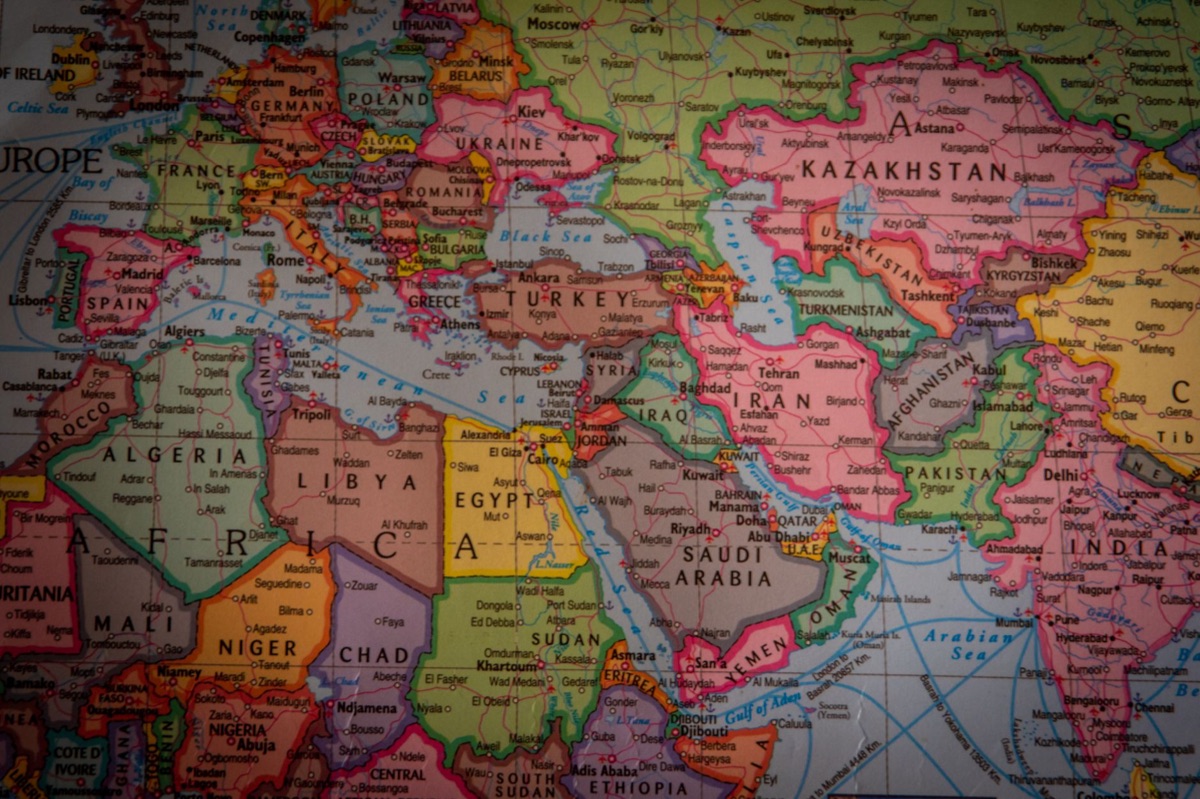
Should I go to East or South Africa? The sun beats down on the red dust of the Amboseli plains as a lone elephant wanders toward the horizon, and you realize that the vastness of the continent is much harder to grasp on a map than in person. Selecting your starting point is the most consequential decision you will make.
East Africa and Southern Africa offer fundamentally different flavors of the wild. Kenya and Tanzania are the classic "Lion King" landscapes—vast, sweeping savannas where the Great Migration creates a moving theater of life and death.
These regions are characterized by high-density wildlife and the iconic, sprawling plains of the Serengeti and Masai Mara.
In contrast, Southern Africa offers a blend of rugged wilderness and sophisticated infrastructure. South Africa, for instance, provides world-class private game reserves like Kruger, where the density of the Big Five is exceptionally high and the roads are often more established.
While South Africa is a powerhouse of tourism, it also offers a diverse economy and infrastructure that can support a seamless transition from a safari to a cosmopolitan city.
According to the World Travel & Tourism Council, travel and tourism directly contributed ZAR102 billion to South African GDP in 2012 and supports 10.3% of jobs in the country.
Decision Matrix: Which Canvas Fits Your Goal?
| If your goal is... | Choose this Region | Primary Reason |
|---|---|---|
| The Great Migration | Kenya or Tanzania | The massive movement of wildebeest and zebras. |
| The Big Five & Luxury | South Africa | High sighting probability and elite lodges. |
| Desert Landscapes | Namibia | Dramatic dunes and unique desert-adapted wildlife. |
| Diverse Ecosystems | Botswana | The delta and desert intersection. |
Choosing the wrong region can lead to a mismatch between your expectations and the reality of the terrain.
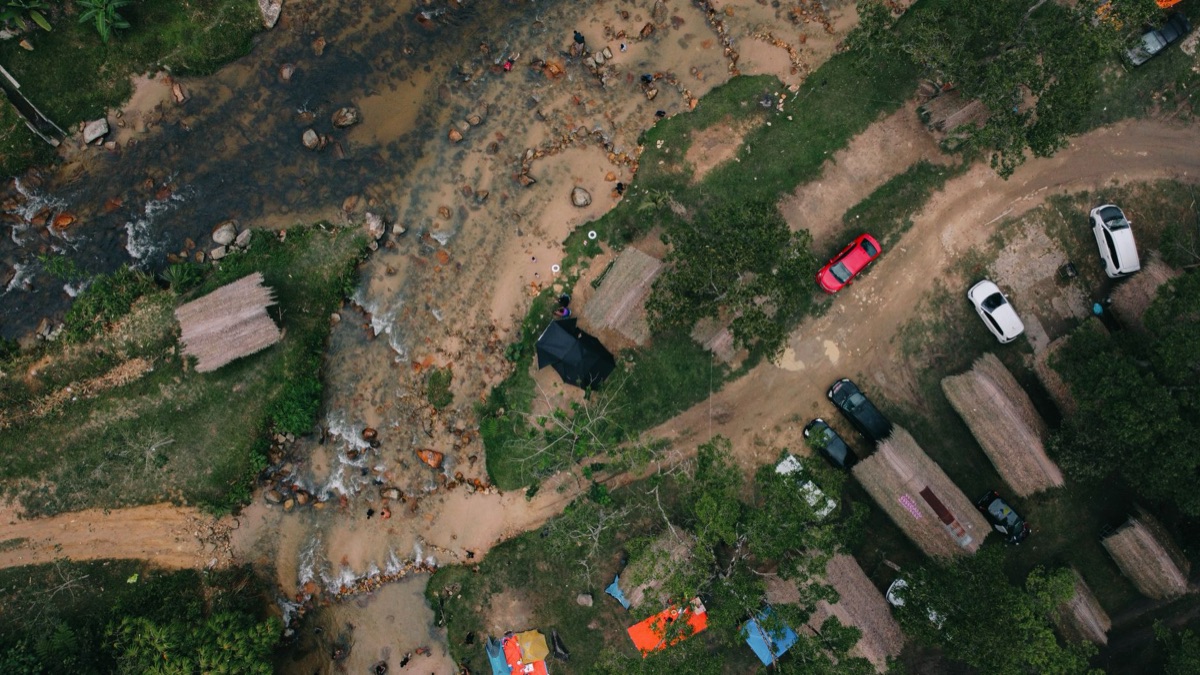
How do I time my route and schedule my safari? A heavy rainstorm hits the windshield of the safari vehicle, turning the golden grass into a muddy soup and momentarily silencing the calls of the birds. This is the reality of the "green season," and without a calendar, you might find yourself in the wrong place at the wrong time.
The most critical element of route design is the Migration Calendar.
If you visit the Mara in April, you may miss the dramatic river crossings that define the peak season.
When designing a route, you must decide between "circuit" driving and "hub" flying. A circuit route involves driving from one park to the next, which is cost-effective and allows for scenic transitions but involves long hours in a vehicle.
A hub-and-spoke model involves flying into a central airstrip and using it as a base for several days, minimizing travel time and maximizing time spent on game drives.
Suggested Route Sequence Flow
- Identify the Seasonal Window: Determine when the specific animal behavior you want to see is occurring. 2. Select the Entry Hub: Choose a major international gateway (e.g., Nairobi, Kilimanjaro, or Johannesburg). 3. Sequence the Parks: Arrange parks so you move in the direction of animal movement or follow a logical geographic line to minimize backtracking. 4. Balance Activity and Transit: Ensure no single leg of the journey involves more than four hours of driving without a significant rest or a scenic stop.
A well-planned route turns a series of drives into a cohesive narrative of discovery.
💰 Budgeting Beyond the Basics: The Financial Framework
You sit at a heavy wooden table in a luxury lodge, sipping a sundowner as the sky turns a bruised purple, and you realize the cost of this solitude is significant. Budgeting for a safari requires understanding that you aren't just paying for a room; you are paying for access and expertise.
Costs are driven by three main variables: the level of luxury, the exclusivity of the location, and the mode of transport. A "Mid-Range" safari often involves staying in permanent tented camps or mid-tier lodges and using shared safari vehicles.
"Luxury" and "Ultra-Luxury" tiers move you into private concessions where vehicles are limited to a few guests, and the lodges offer gourmet dining and private plunge pools.
It is important to understand the "All-Inclusive" reality. Most high-end safari packages include meals, game drives, and sometimes bush walks. However, they rarely include international flights, visa fees, premium alcohol, or specialized activities like hot air balloon safaris.
Budget Tier Comparison
- Adventurous/Budget: Camping in public campsites, self-drive vehicles, and local transport. Focus is on maximum immersion and minimum cost. 2. Mid-Range: Staying in comfortable, fixed lodges and participating in group-led game drives. This offers a balance of comfort and wildlife access. 3. Luxury: Staying in high-end lodges and private concessions. This provides exclusivity and higher sighting probabilities. 4. Ultra-Luxury: Private villas, fly-in safaris, and personalized guides. This is a seamless, high-service experience.
Adjusting your budget usually means choosing between the "quality" of the lodge and the "depth" of the location.
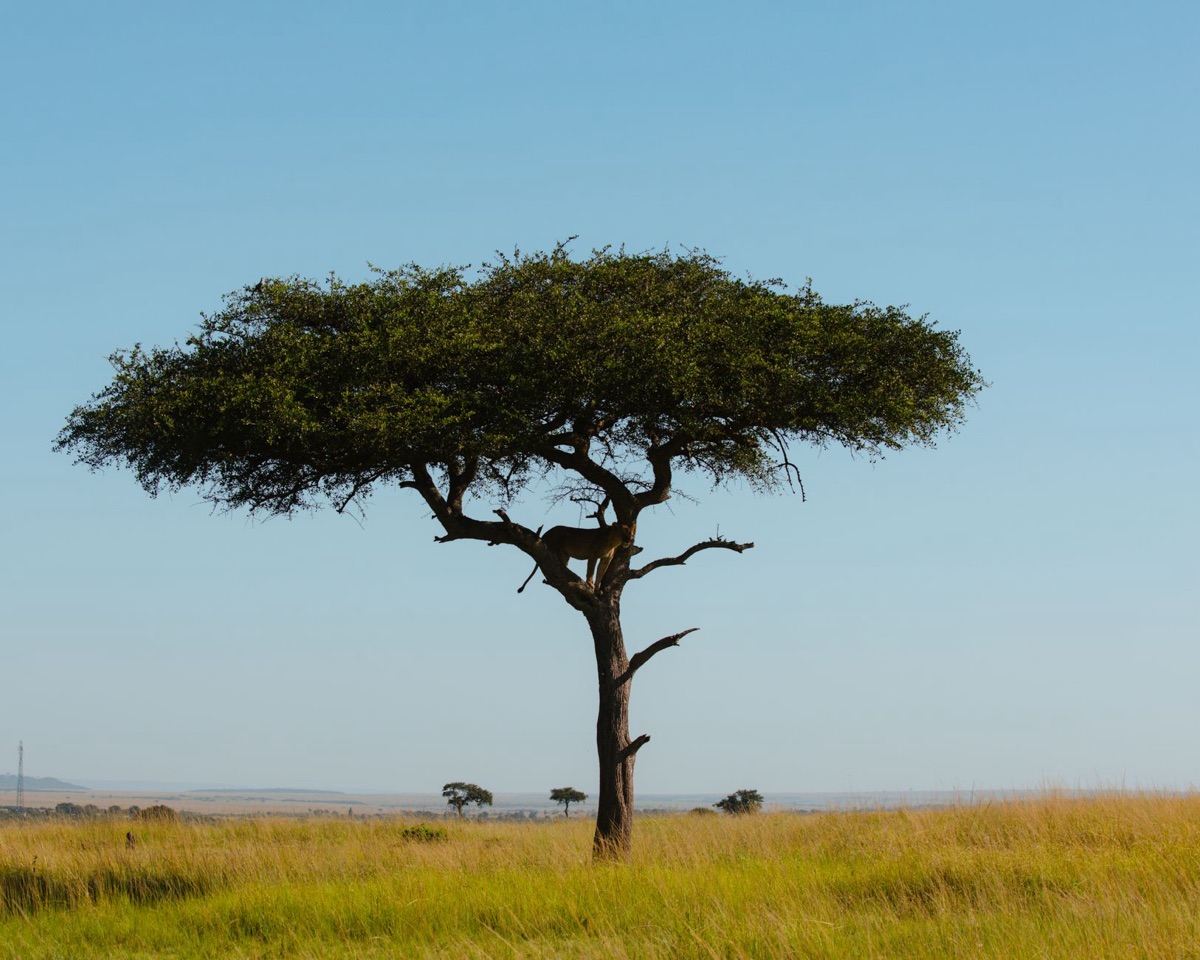
🛎️ Logistics and Groundwork: Making the Journey Seamless
The smell of antiseptic and the sight of a yellow fever certificate on a clipboard remind you that the wild requires preparation. Logistics can make or break the emotional impact of a safari; a delayed flight or a health issue can overshadow the most beautiful sunset.
Health and safety are non-negotiable. Malaria prophylaxis and Yellow Fever vaccinations are often mandatory and should be discussed with a travel clinic months in advance.
Additionally, you must research the specific visa requirements for each country in your itinerary, as some regions require e-visas while others require physical stickers in your passport.
Accommodation styles also require careful thought. Mobile tented camps offer the most authentic "bush" experience, moving with the herds, but they lack the amenities of fixed luxury lodges. Fixed lodges offer stability and better facilities but may be located further from the heart of the action.
Pre-Trip Checklist
3 Months Out * Confirm passport validity (must be at least 6 months remaining). * Apply for necessary visas and health clearances. * Book flights and primary lodge accommodations.
1 Week Out * Pack appropriate clothing (layers are essential). * Organize a digital and physical folder of all travel documents and vaccination records. * Confirm all ground transfers and flight connections.
A seamless journey is built on the foundation of meticulous preparation.
🦒 Wildlife Deep Dive: Beyond the Big Five
A sudden rustle in the tall grass and the sight of a spotted coat moving through the shadows makes your heart race. You realize that while the Big Five are the icons, the true magic often lies in the smaller, more specialized encounters.
When tailoring an itinerary, you should match the location to the specific species you wish to see. If you are hunting for the elusive leopard, you might prioritize private concessions in South Africa or the rugged hills of the Transvaal.
If you want to see the massive herds of the migration, the plains of the Serengeti are unmatched.
It is a mistake to focus solely on the "Big Five" (Lion, Leopard, Elephant, Rhino, and Buffalo). A truly great safari includes the "Little Five" and the spectacular birdlife, insect life, and unique desert-adapted species.
Species Hotspot Guide
* For the Great Migration: Serengeti (Tanzania) and Masai Mara (Kenya). * For Primates: Volcanoes National Park (Rwanda/Uganda) for mountain gorillas. * For Desert Wildlife: Etosha National Park (Namibia). * For High-Density Big Five: Private reserves in South Africa and Greater Kruger.
Always remember that wildlife sightings are never guaranteed; the goal is to put yourself in the best possible position to witness nature in its rawest form.


Comments 0