Booking Tip: Guide Quality Over Pool View in African Safaris
Stop browsing luxury; start matching your vision to the perfect African basecamp.
Choosing a safari lodge is not about deciding between a pool and a balcony; it is about deciding how much of the wild you want to let into your soul.
* Location dictates experience: The biome (e.g., Masai Mara vs. Serengeti) is more critical than the lodge's amenities. * Activity vs. Accommodation: Define your primary goal (e.g., deep immersion vs. luxury comfort) before booking the physical building. * Beyond the View: Consider the guiding philosophy (private vs. group game drives) as a core part of the booking.
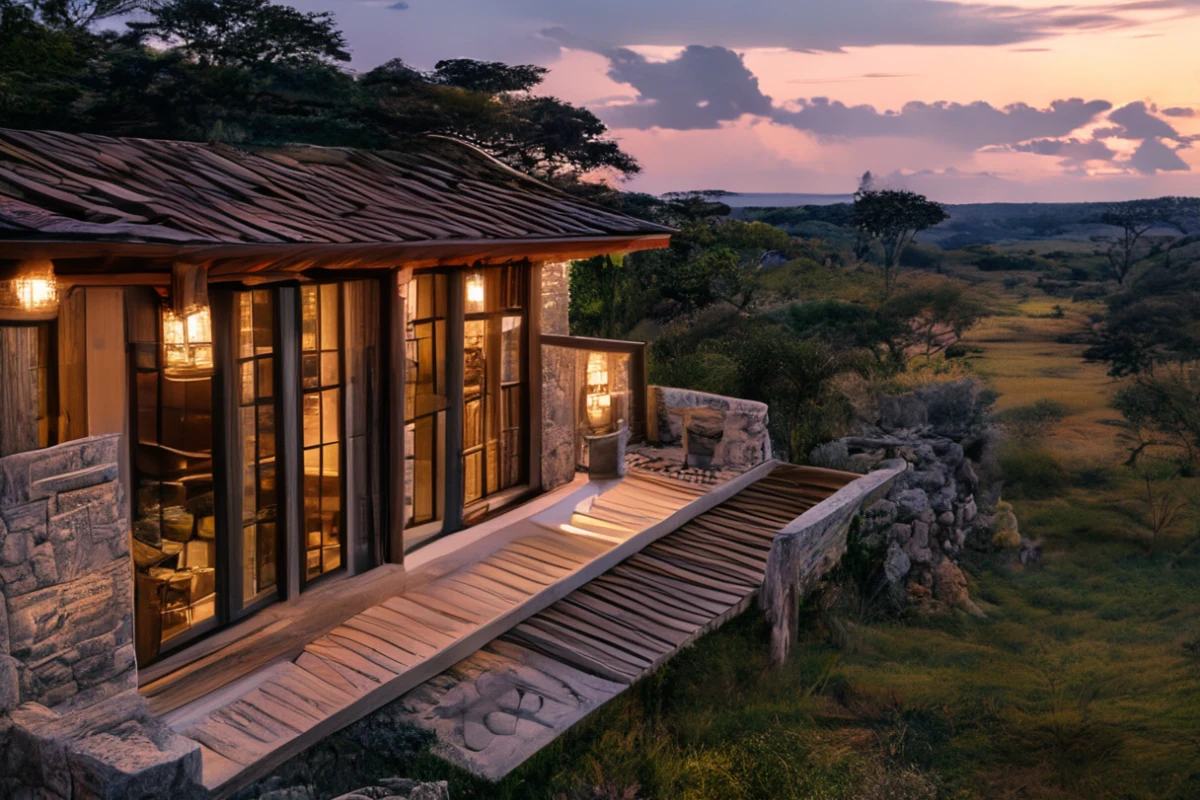
What is my unique safari DNA? As the orange sun crests the horizon, you sit on a wooden deck and feel the cool morning breeze against your skin while contemplating your purpose for traveling.
The sun begins to rise over the golden grasses of the Serengeti, casting long, amber shadows across a quiet veranda.
You sit there with a cup of coffee, watching a herd of elephants move silently in the distance, realizing that the quietness of this specific spot is exactly why you traveled 8,000 miles.
Before looking at room photos, you must understand your own travel DNA. Are you looking for a trophy hunt of sights, or a quiet meditation on nature?
Your primary mission dictates everything. A first-timer might want a stable, high-end lodge with reliable electricity and a pool to decompress after a dusty day.
An expert traveler, perhaps returning to East Africa in 2025, might seek a mobile tented camp that moves with the Great Migration to ensure they are always in the thick of the action.
You must also weigh immersion against isolation. Some lodges are built deep within a private concession, offering total seclusion where the only sounds are the nocturnal calls of hyenas.
Others are gateway lodges, located near park entrances or small towns, providing a balance of adventure and easy access to civilization.
Budgetary tiers in Africa don't just represent luxury; they represent exclusivity. A higher price point often buys you a lower guest-to-staff ratio and, more importantly, a lower guest-to-vehicle ratio. In the bush, space is the ultimate luxury.
Finally, understand the ecosystem. A lodge situated in an acacia-heavy woodland will offer a completely different wildlife experience than one perched on the edge of an open savannah. The landscape dictates the inhabitants, and the inhabitants dictate your daily schedule.
But what happens when the reality of the wild meets your personal expectations?
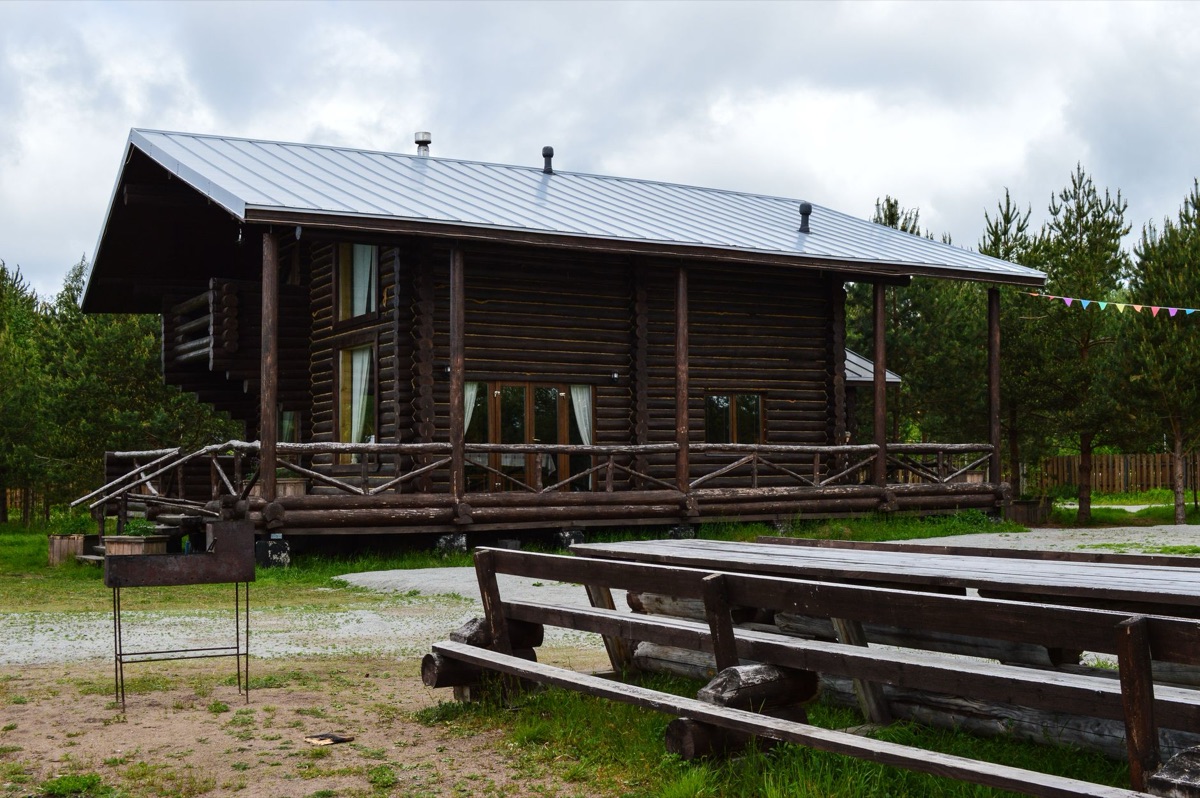
Which lodge style actually fits my personality? At dusk, you step onto a canvas floor and listen to the distant roar of a lion echoing through the open savanna.
A dusty Land Cruiser pulls up to a camp where the canvas walls ripple slightly in the breeze, and for a moment, you feel as though you are living inside a postcard.
There are four distinct archetypes of safari lodging, each serving a different kind of traveler.
Ultra-Luxury Tented Camps These are the pinnacle of the safari experience. Often located in private conservancies, these camps offer high-end service ratios where staff might outnumber guests.
They are designed for honeymooners or those seeking ultimate indulgence, blending high-thread-count linens with the raw sounds of the bush.
Mid-Range/Gateway Lodges This is often the "sweet spot" for travelers. These lodges provide a reliable, comfortable bed and excellent guiding services without the astronomical price tag of ultra-luxury camps.
They are perfect for those who want deep immersion during the day but a solid, paved-road-accessible bed at night.
Boutique/Eco-Lodges These are the experiential choice. Built with sustainable materials and often integrated into the natural landscape, these lodges focus on a minimal footprint.
They are ideal for travelers who prioritize environmental ethics and community integration, often supporting local conservation efforts directly.
Remote/Wilderness Camps These are for the purists. Minimalist in design but maximalist in proximity to wildlife, these camps often require higher self-sufficiency.
You might be sleeping in a tent with nothing but a mosquito net between you and the wild, requiring a traveler who embraces the grit of the bush.
| Feature | Ultra-Luxury | Mid-Range | Eco-Lodge | Wilderness |
|---|---|---|---|---|
| Primary Focus | Indulgence & Privacy | Value & Comfort | Sustainability | Proximity to Nature |
| Staff Ratio | Very High | Moderate | Balanced | Low |
| Best For | Honeymooners | First-timers | Conscious Travelers | Adventurers |
| Accessibility | Private Airstrips | Road/Light Aircraft | Often Remote | Very Challenging |
But choosing a category is just the beginning; the real test lies in the details you can't see in a brochure.
🐆 Critical Filters: Beyond the Pool View
You stand at the edge of a watering hole, watching a leopard crouch in the thicket, realizing that the view from your room is secondary to the knowledge of the person leading you to this moment.
When evaluating a lodge, looking at the pool or the dining hall is a mistake. The true quality of a safari is found in the invisible details.
Guiding Philosophy Matters Most The quality of your guide is the single most important variable in your entire trip. A luxury room cannot compensate for a driver who doesn't understand animal behavior or tracking. Always ask about the guides' experience and their ability to interpret the bush.
Operational Style: Mobile vs. Fixed Base Consider how the lodge operates. Some lodges are mobile, moving seasonally to follow the Great Migration. This ensures you are always in the right place and time.
Fixed-base lodges offer stability and a consistent hub, which is better for travelers who want to explore different ecosystems from a single, reliable location.
Dining & Rituals In the bush, dining is an event. Look for lodges that curate "sundowner" rituals—an African tradition of stopping for drinks as the sun sets—or bush breakfasts. These experiences are designed to connect you to the cultural narrative and the rhythm of the wild.
Activity Integration Does the lodge just provide a vehicle, or does it offer a holistic experience? Some lodges integrate specialized activities like hot air ballooning, guided walking safaris, or cultural visits to local Maasai or Samburu communities.
If you want more than just a car ride, you need to look closer at the logistics.
🗺️ Geolocation Deep Dive: Where You Are vs. Where You Want To Be
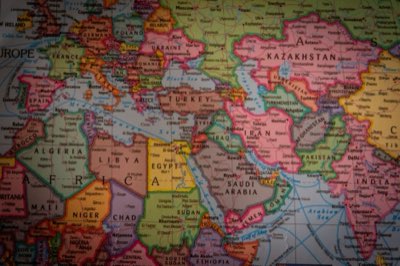
The map spreads out across the wooden table, showing the winding rivers and vast plains, and you realize that choosing a lodge in the wrong sector could mean missing the very migration you came to see.
Geography is the silent partner in your safari planning.
Masai Mara vs. Serengeti: The Behavioral Difference While they are part of the same ecosystem, the placement of a lodge in the Masai Mara versus the Serengeti can change your experience entirely. During peak seasons, lodge placement is everything.
In the Mara, you might look for river crossings, whereas in certain parts of the Serengeti, you might be positioned for the calving season.
Tanzania vs. Kenya: The Logistics of Choice Choosing between these two countries often comes down to logistics and specific wildlife goals. Kenya often offers more accessible, well-established routes, while Tanzania offers vast, sweeping landscapes that feel more expansive.
Your lodge choice must align with the specific migratory patterns of the year you are traveling.
The Importance of Private vs. Public Concessions This is a crucial distinction. A lodge located in a private concession allows for off-road driving and night drives, which can lead to much more intimate wildlife encounters.
A lodge located within a National Park is subject to stricter rules, meaning vehicles must stay on the tracks, which can limit your ability to follow an animal into thick cover.
But how do you actually make the final call when you are overwhelmed by options?
💡 How to Choose: A Step-by-Step Decision Guide
You sit in the quiet of your room, notebook hand, looking at three different brochures and realizing that the right choice is finally becoming clear.
When I was planning my own route through the Serengeti in late 2025, I found that narrowing the field was the only way to avoid decision paralysis. Follow this process to narrow down your options:
- Identify your "Must-See": Is it a river crossing, a specific predator, or a quiet landscape? Match this to a specific region first.
- Determine your Mobility Level: Do you want to stay in one place for 7 days, or do you want to move every 3 days to follow the animals?
- Evaluate the "Base" vs. "Activity" balance: If you want to spend 8 hours a day in a vehicle, prioritize a lodge with high-quality vehicles and expert guides. If you want relaxation, prioritize amenities.
- Check the Seasonality: Cross-reference your travel dates with the migration calendar. A lodge that is perfect in July might be in a barren part of the park in February.
- Verify Accessibility: Ensure you understand how to get to the lodge. Does it require a bush plane, a 4x4, or a paved road?
Once you have the list, you have to face the reality of the budget and the logistics.



Comments 0