Serengeti vs. Masai Mara: Where to See the Migration
"The rhythm of the wild is not a clock, but a compass pointing toward water and grass."
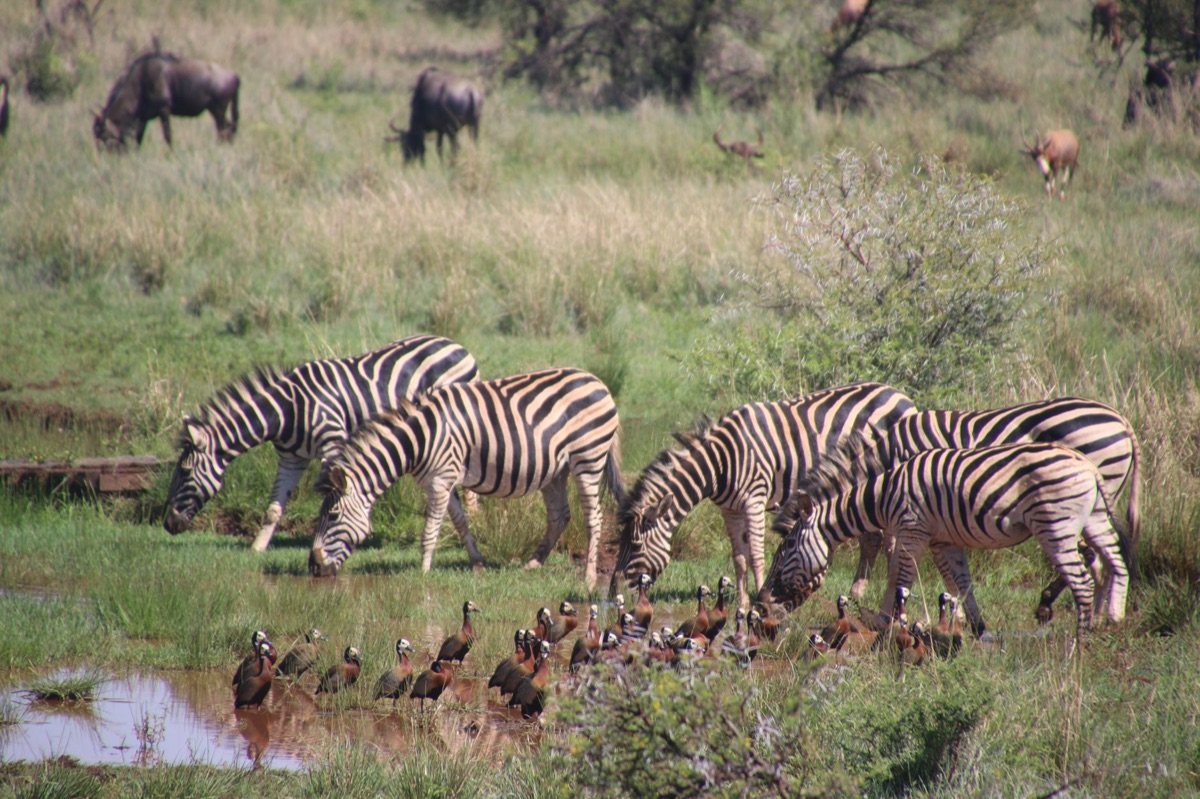
If you are planning a trip to witness the greatest wildlife spectacle on Earth, you cannot simply show up and hope for the best. The Great Migration is a moving target, a massive loop of over 1.5 million wildebeest and zebras driven by the search for green pastures and reliable water.
Key Takeaways
* Peak Viewing Windows: For dramatic river crossings, aim for July through October in the Masai Mara; for calving season, target January through March in the Southern Serengeti. * Geographic Split: The migration circulates between the Serengeti National Park in Tanzania and the Masai Mara National Reserve in Kenya. * Logistical Strategy: Booking luxury mobile camps allows you to follow the herds, while permanent lodges offer stability and amenities. * Preparation Lead Time: High-season bookings for 2025 should be finalized at least 8 to 12 months in advance to secure prime locations.
When will the Great Migration peak in 2025? The dust hangs heavy over the golden plains of the Serengeti as a low rumble, felt more in the chest than heard in the ears, signals the arrival of a thousand hooves. You watch through binoculars, waiting for the moment the lead wildebeest decides to plunge into the churning water below.
The migration is a continuous cycle, and while the animals move year-round, certain windows offer much higher dramatic value. In 2025, the cycle will follow the traditional patterns dictated by the rainfall and the growth of the short-grass plains.
From January to March, the herds congregate in the Southern Serengeti and the Ndutu area. This is the calving season, where hundreds of thousands of wildebeest calves are born in a short window, providing a massive feast for predators and a spectacle of new life.
From April to June, the herds move northward through the central Serengeti. This is often a transitional period where the weather can be unpredictable and the herds search for the next great grazing ground.
The most iconic window occurs from July to October. During these months, the herds move into the Northern Serengeti and cross the Mara River into the Masai Mara in Kenya. This is when you witness the legendary, heart-pounding river crossings.
When planning your 2025 itinerary, remember that the "peak" depends on what you want to see. If you want to see the drama of predators and crossings, go in the second half of the year. If you want to see the miracle of birth and vast herds on the plains, the first quarter is your target.
Should I go to Tanzania or Kenya in 2025? A heavy rain falls on the acacia trees, turning the red earth of the Mara into a thick, fragrant mud that clings to the tires of the safari vehicle. The driver points toward a distant line of movement on the horizon, and you realize the landscape itself seems to be breathing.
Choosing between Tanzania and Kenya is the most common dilemma for safari planners. While they are part of the same ecosystem, the experience and the logistics differ significantly.
The Serengeti in Tanzania is vast and sprawling. It offers a sense of infinite space and houses the majority of the migration's population during the calving season. The Southern Serengeti and the Ngorongoro Conservation Area provide a diverse landscape of volcanic craters and endless plains.
The Masai Mara in Kenya is the destination for the "river crossing" drama. Because the Mara is smaller and more concentrated, the density of animals and the visibility of the crossings can feel more intense and immediate than in the sprawling Serengeti.
Logistically, Kenya often has slightly easier access and more established flight paths from Nairobi, whereas Tanzania requires more internal travel between airstrips and parks. However, the Serengeti offers a more seamless, uninterrupted wilderness experience.
For a truly comprehensive 2025 journey, many travelers choose to do both. You can start with the calving season in the Southern Serengeti and end the year with the river crossings in the Masai Mara, though this requires significant travel and a larger budget.
Beyond the migration: How to plan your ultimate African journey?
The sun sets behind a silhouette of a single, lonely acacia tree, casting long, purple shadows across the savanna. You sit on the deck of your lodge, a cold drink in hand, realizing that the vastness of the continent is much larger than just the animals you saw today.
A great safari should not just be a hunt for a specific animal; it should be a holistic immersion into the African continent. The migration is the centerpiece, but the surrounding landscapes and cultures provide the soul of the trip.
A standard migration-focused itinerary usually lasts between 10 and 14 days. However, if you want to truly explore, a 3-week journey allows you to combine the safari with other iconic regions.
If you visit the Serengeti, you should consider adding the Ngorongoro Crater, a stunning volcanic caldera that acts as a natural enclosure for wildlife. It is one of the easiest places to see the "Big Five" in a single day.
For those who want to balance the intensity of the safari, adding a coastal component is highly recommended. After the dust and heat of the plains, a few days on the white sands of Zanzibar or the coast of Kenya provides a perfect, relaxing conclusion to the adventure.
| Feature | Serengeti/Mara Focus | Multi-Destination Focus |
|---|---|---|
| Primary Goal | Intensive wildlife viewing | Cultural and scenic variety |
| Typical Duration | 7–10 Days | 18–25 Days |
| Travel Pace | Fast-moving/Mobile | Balanced/Steady |
| Budget Level | Mid to High | High |
Making your booking: How to manage logistics and eco-travel?
The smell of woodsmoke and fresh coffee drifts from the lodge kitchen as the camp hands prepare the morning vehicles. There is a quiet,ly organized chaos to the morning routine, a sense of readiness for the day's trek into the wild.
When I first sat in an open-sided cruiser at dawn, the sheer scale of the horizon made me realize that a safari is less about a schedule and more about a readiness to move. Booking a safari involves more than just picking a hotel; it involves choosing a way of life.
To ensure you don't miss the movement, follow this planning checklist:
- Identify your primary objective: Decide if you want the calving season (Jan–Mar) or the river crossings (July–Oct).
- Select your accommodation type: Choose between permanent luxury lodges for stability or mobile tented camps to follow the herds.
- Confirm flight and transit logistics: Arrange internal bush flights between airstrips to minimize time spent on bumpy roads.
- Verify guide expertise: Ensure your operator employs local guides with specific knowledge of seasonal animal movements.
- Plan for the "shoulder" and "peak" pricing: Budget for higher costs during the July–October window and book at least 8 months in advance.
Expert guiding is non-negotiable. The difference between seeing a lion and seeing a lion *hunting* is the knowledge and positioning of your driver. Always prioritize reputable companies that employ local, highly trained guides who understand the seasonal movements.
Budgeting for a 2025 safari requires understanding that "peak season" comes with a premium. Prices for top-tier lodges during the July–October window can be significantly higher than during the shoulder seasons.
When booking, always ask about the "concession" status of the lodge. Some lodges are located on private concessions, which allows for off-road driving and night drives—features that can dramatically enhance your ability to track the migration and predators.
Frequently Asked Questions
Can I see the migration outside of the peak season? Yes. The migration is a constant movement. While the dramatic river crossings and massive calving events are seasonal, you can see large herds and significant predator action in the "off" months.
The animals are always moving toward food and water.
What if the rains delay the migration? The migration is driven by nature, and nature is unpredictable. If the rains are late or heavy, the timing of the herds can shift by several weeks.
This is why it is vital to work with an experienced safari operator who can adjust your itinerary and location on the fly.
What is the best time of year to visit *any* part of Africa? "Best" depends on the region. For East and Southern Africa, the dry season (typically June to October) is generally best for wildlife viewing as animals congregate around water holes.
However, the "green season" (the wet season) offers lush landscapes and birdwatching opportunities, though it requires more flexibility.
A Note on Travel and Safety When traveling to East and Southern Africa, always check current travel advisories and health requirements. Ensure you have up-to-date vaccinations, including Yellow Fever, and consult a travel clinic regarding malaria prophylaxis.
Always prioritize reputable tour operators and follow the instructions of your professional guides regarding wildlife proximity and local regulations.

Comments 0