Cheetah viewing locations: Guide to prime big cats viewing
"To witness the speed of a predator in its natural habitat, one must understand the vastness of the landscape it calls home."
Finding the right location for cheetah viewing requires understanding the diverse geography and protected areas of the continent. Travelers should prioritize natural heritage sites and vast drylands where these cats roam freely.
This guide explores how to select prime big cats viewing spots by evaluating land size, heritage status, and environmental conditions.
Where to find cheetah viewing locations?

A traveler stands in the middle of a vast, golden plain, scanning the horizon for a slight movement in the grass. Finding the right area involves looking for natural landscapes that support high biodiversity.
The continent covers approximately 30.3 million km2 (11.7 million square miles), including adjacent islands, making it a massive area for wildlife exploration. This scale means that selecting specific regions is vital for successful animal watching.
Because 60% of the land surface consists of drylands and deserts, finding suitable habitats often requires looking into these arid environments.
Focus on open savannahs and vast grasslands where visibility is high. I find that the third section provides the most specific geographical details.
How to choose among Big 5 viewing spots?
In the heat of high noon, I wipe sweat from my forehead while debating which spot offers the best chance to see a cheetah.
A guide points toward a distant ridge where the shadows of the morning sun stretch across the earth. Choosing between different regions requires weighing the cultural history against the natural landscape.
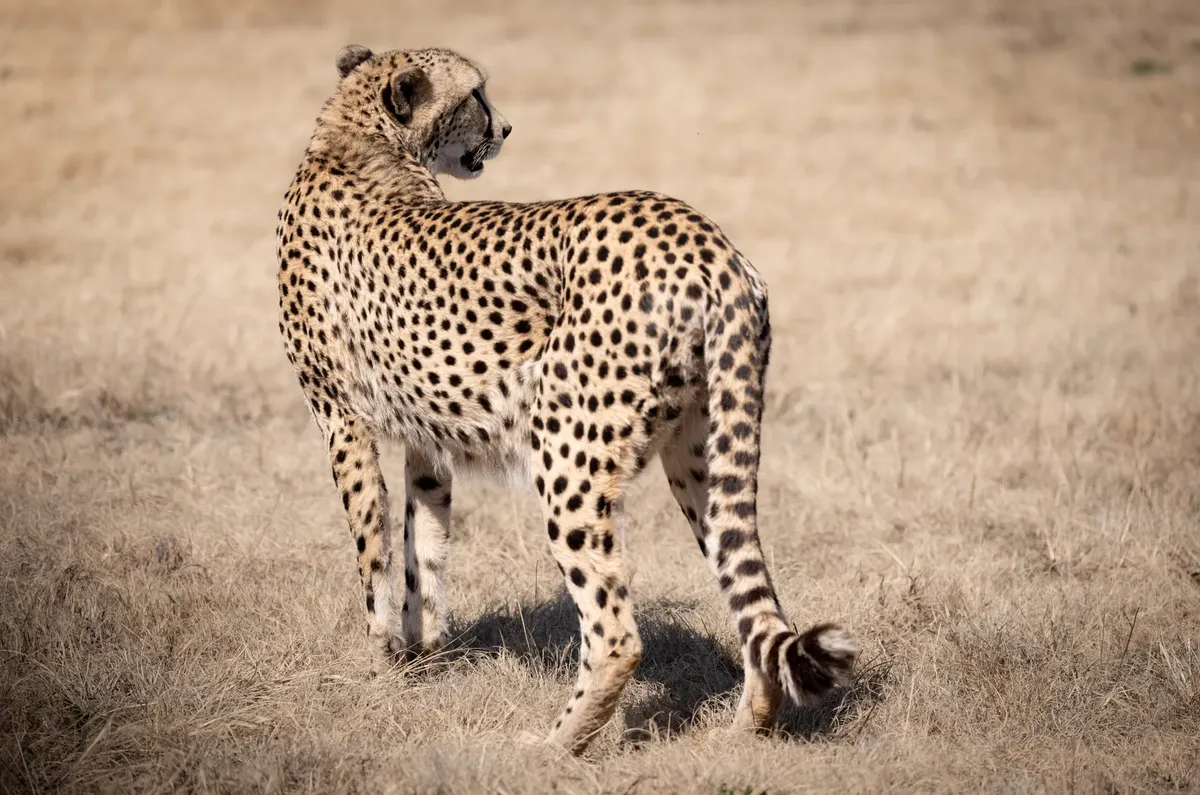
As of March 2023, 98 African properties are listed by UNESCO as World Heritage Sites, which include 54 cultural sites, 39 natural sites, and 5 mixed sites. These designated areas often provide the necessary protection for sensitive species.
Selecting a natural site can increase the chances of successful safari animal watching.
Evaluate the density of wildlife versus the ease of access in each region. I find that the third section provides the most specific geographical details.
What makes for prime big cats viewing?
The engine of a safari vehicle hums quietly as it moves through a landscape that feels endless. Understanding the sheer scale of the terrain helps in planning the logistics of a trip.
The distance from the most northerly point, Ras ben Sakka in Tunisia, to the most southerly point, Cape Agulhas in South Africa, is approximately 8,000 km (5,000 mi). Traveling across such distances requires careful planning to find the right habitats.
Travelers must also consider that the coastline reaches 26,000 km (16,000 mi) in length, offering varied environments.
- Prioritize open landscapes for unobstructed sightlines.
- Look for areas with high prey density.
- Check for seasonal migration patterns.
How to handle selecting animal safari environments?
A passenger leans forward, binoculars gripped tightly in hand, watching the dust kick up from a distant trail. Environmental conditions like temperature and vegetation type play a significant role in animal activity.
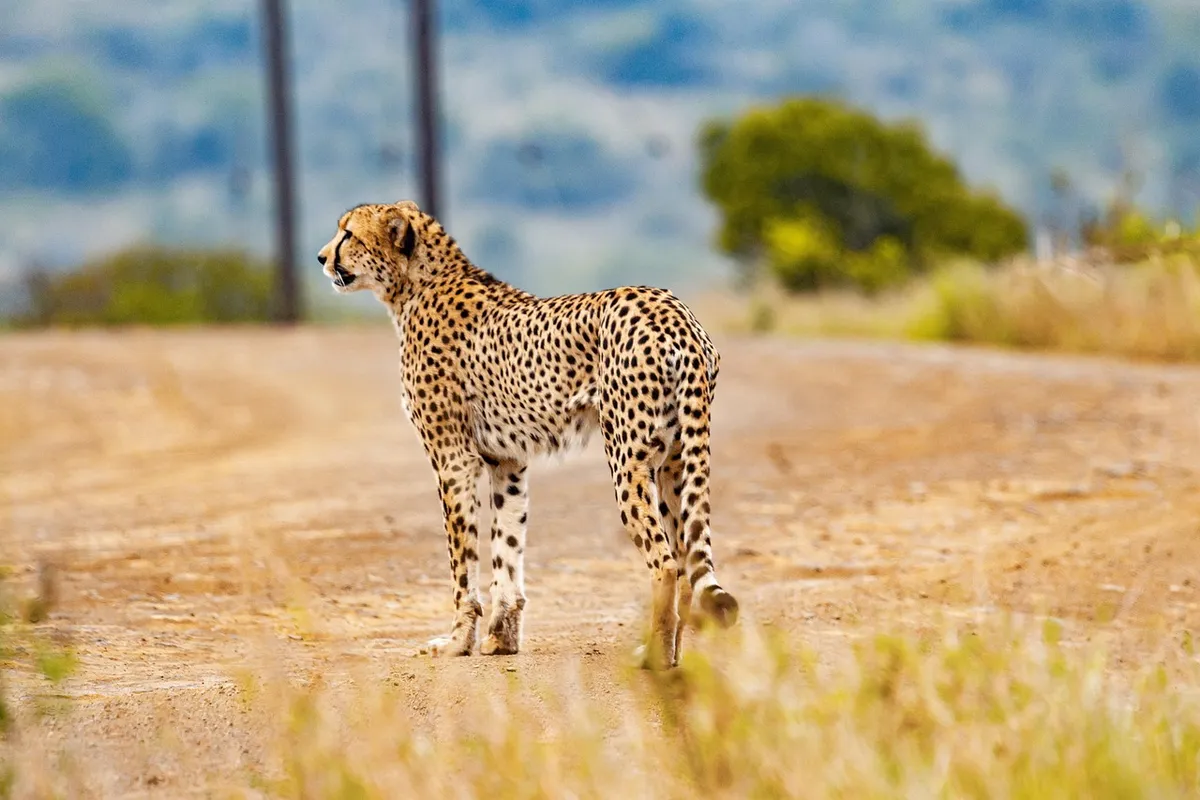
The continent is the hottest continent on Earth, which influences when and where animals are most active. While the heat is a constant factor, the vastness of the land ensures different climates exist. When planning, one must consider that the landscape is vast and diverse.
I find that the third section provides the most specific geographical details.
How to prepare for the terrain?
A traveler wipes sweat from their brow while looking at a map of the expansive territory. Preparing for the journey involves understanding the physical limits of the land.
The distance from the westernmost point, Cape Verde, to the most easterly projection, Ras Hafun, is approximately 7,400 km (4,600 mi). Such wide ranges mean that different regions offer different viewing opportunities.
| Feature | Measurement |
|---|---|
| Total Land Area | 30.3 million km2 |
| Total Surface Area | 6% of Earth |
I remember looking at the map and realizing how much ground we had to cover to see the wildlife.
I find that the third section provides the most specific geographical details.
What are the limitations of these regions?
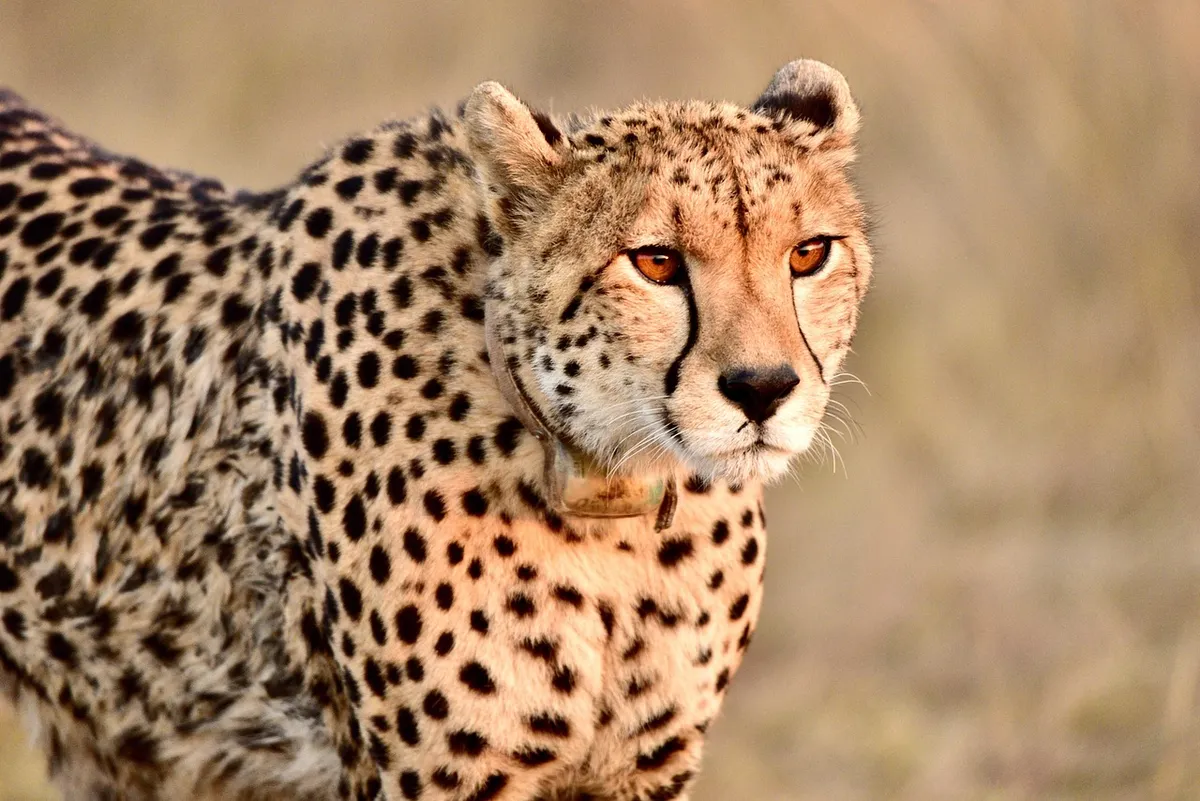
A researcher notes the changing landscape in a field journal under the midday sun. Every destination has specific environmental or historical constraints that travelers should know.
Some sources claim that approximately 90% of the original, virgin forests in West Africa have been destroyed. This loss of habitat can affect the availability of certain species in those specific regions.
I find that the third section provides the most specific geographical details.
The subject here is Cheetah viewing locations.
The same subject is also called Where to see cheetahs.
The same subject is also called Wildcat observation sites.
This part also covers Best cheetah safari tours.
Related
- Safari vs Desert Tour Price: Guide to extreme heat
- Safari lodge matters most: Guide vs Comfort for your trip
How does the scale affect the witness of wildlife?
To witness the speed of a predator, one must account for the massive scale of the land. The vastness of the 30.3 million km2 area means that travelers must select specific regions to find suitable habitats.
- Evaluate the land size to narrow down search areas. 2. Compare natural sites against cultural sites for protection levels. 3. Consider the 60% dryland coverage when looking for specific environments.
If a traveler seeks to witness the speed of a predator, they must compare the vastness of the landscape to the specific regions they visit. The 8,000 km distance between the north and south points requires planning to find the right habitats.
Because the coastline reaches 26,000 km, the variety of environments serves as a condition for successful viewing.
Brookings Based on the retained excerpt mentioning African Union Development Agency: Fifteen years ago, the African Union and the New Partnership for Africa’s Development (renamed African Union Development Agency) adopted the Tourism Action Plan to bring visibility to tourism on the continent.

Comments 0