7 to 10 Days: Experiencing the Vastness of the Sahara Desert
"The desert is not a place you visit; it is a force you negotiate with."
Navigating the Sahara requires a shift from standard vacation planning to a mindset of logistical precision and environmental respect. To succeed, you must balance the desire for vast solitude with the hard realities of extreme temperature swings and remote geography.
Key Takeaways
* Optimal Timing: Aim for the shoulder seasons (October–November and March–April) to avoid the lethal summer heat and the biting winter nights. * Logistical Depth: Choose between oasis-based luxury and deep-desert crossings, and always secure a local guide with a reliable 4x4 and satellite communication. * Safety First: Prioritize water weight and layering; the desert's greatest threat is the massive temperature shift between noon and midnight. * Route Strategy: Plan for at least 7 to 10 days to truly experience the scale, moving between established hubs and remote dunes.
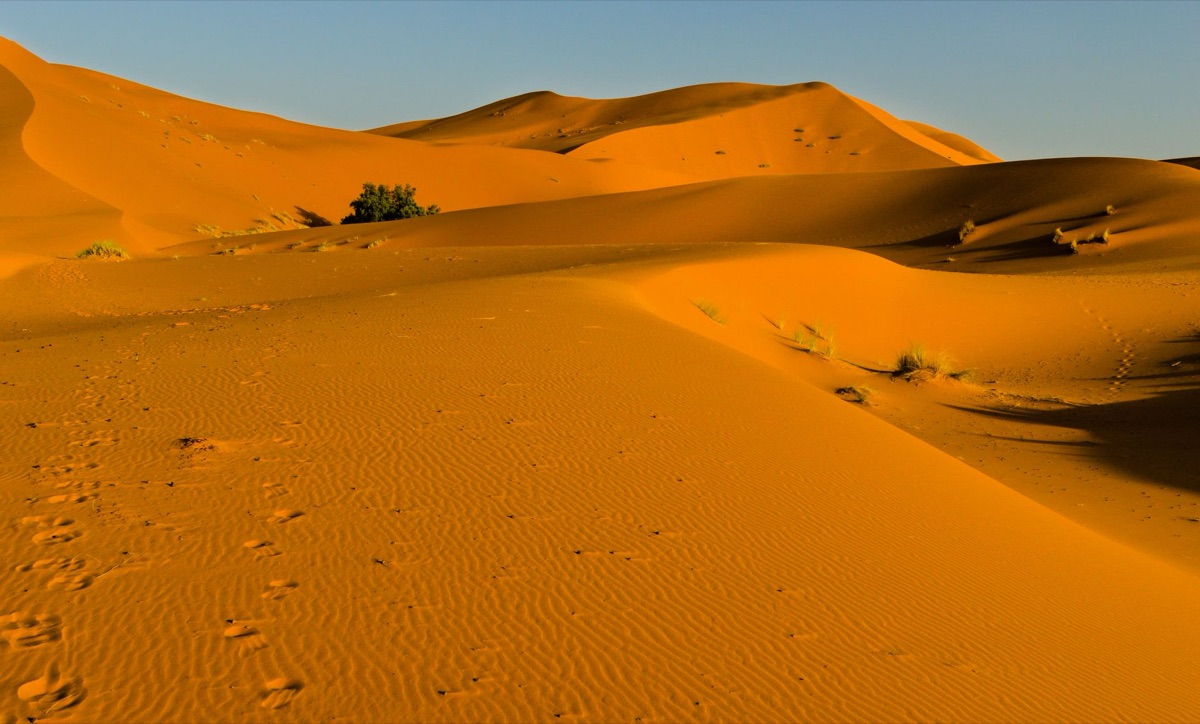
When is the perfect time for my Sahara journey? The sun hangs heavy over the orange dunes of Merzouga in late October, and the heat ripples off the sand, making the horizon dance in a way that makes navigation nearly impossible.
According to the World Travel & Tourism Council (WTTC), the tourism industry directly contributed R102 billion to South Africa's GDP in 2012, highlighting the significant economic impact of travel in the region.
You wipe sweat from your brow and realize that the vastness of the desert is as much about the air you breathe as the ground you walk on.
The Sahara is a land of extremes, and timing is the difference between a life-changing adventure and a dangerous ordeal. The ideal window for most travelers is during the shoulder seasons.
In the spring and autumn, the daytime temperatures remain manageable, and the nights, while cool, do not drop to the bone-chilling levels seen in mid-winter.
Summer months often bring temperatures that exceed 120 degrees Fahrenheit, making extended desert treks physically punishing and dangerous due to rapid dehydration.
Conversely, winter nights in the high-altitude desert regions can drop below freezing, requiring a completely different set of gear and survival strategies.
When planning, you should aim to book your excursions at least four to six months in advance, especially if you are looking for specialized desert camps or expert-led expeditions.
This timeline allows you to coordinate with local operators and ensure you have the right equipment for the specific micro-climate of your chosen route.
But timing is only the first hurdle.
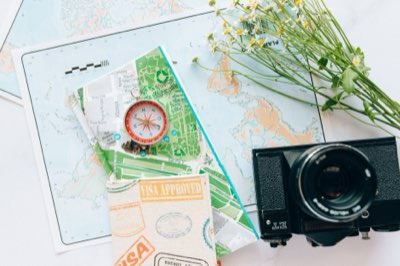
How do I plan a route that goes beyond the maps? A dusty compass sits on a wooden table in a dim riad in late 2025, and the map spread out beside it shows nothing but vast, empty stretches of beige and gold. There are no roads marked here, only the memory of where the water was found and where the dunes shift with the wind.
Choosing a route depends on whether you want an oasis-based excursion or a deep-desert crossing. An oasis-based trip, common in Morocco or Egypt, allows for comfortable stays in luxury camps and easier access to amenities, making it perfect for first-timers.
A deep-desert crossing is a more rugged, multi-day expedition that tests your endurance and requires significant preparation.
For a meaningful experience, a 7-day itinerary is often the minimum to grasp the scale of the dunes and the isolation of the landscape. However, a 21-day loop allows for a much deeper immersion, moving through different geological formations and interacting more closely with nomadic cultures.
The transition between the desert and other ecosystems is a critical checkpoint. Moving from the arid dunes to the greener fringes or the Atlas Mountains requires a shift in both logistics and mindset.
Always remember that the desert is vast and the scale is deceptive; what looks like a short distance on a map can take hours of grueling driving or trekking.
The logistics are daunting, so how do you actually prepare?
Essential Gear & Preparation: What to Pack for the Void
The sun sets with a violent beauty, turning the sky a bruised purple, and as the warmth vanishes, the sudden chill makes you reach instinctively for your heavy fleece. You realize that the desert is a place of two worlds: the blistering heat of the day and the freezing grip of the night.
A successful Sahara trip relies on a strict layering strategy. You need lightweight, breathable clothing for the daytime to manage sweat and sun exposure, and heavy, insulated layers for the nighttime.
This "diurnal" shift—the massive difference between day and night temperatures—is the most important factor in your packing list.
Hydration and sustenance planning is a matter of survival. You must calculate your water consumption based on the intensity of the heat and the physical activity involved, always carrying a significant surplus.
Food should be calorie-dense and easy to store, as availability in the deep desert is non-existent.
In addition to clothing and water, modern and analog navigation tools are essential. While GPS and satellite phones are standard for modern expeditions, always carry a physical map and compass as a most reliable backup.
When I first prepared for a desert trek in early 2025, I brought twice the water I thought I needed, and I was glad when the heat peaked at noon.
Cultural sensitivity is also a form of preparation; bringing items that respect local customs, such as modest clothing, ensures a smoother interaction with the communities you encounter.
| Category | Essential Item | Purpose |
|---|---|---|
| Clothing | Moisture-wicking base layers | Managing daytime heat and sweat |
| Clothing | Heavy down/Synthetic insulation | Survival during freezing desert nights |
| Hydration | High-capacity water bladder/bottles | Constant replenishment and surplus |
| Navigation | Satellite Messenger / GPS | Emergency communication and tracking |
| Health | High-SPF Sunscreen & Lip Balm | Protection against intense UV radiation |
But gear is nothing without a plan for when things go wrong.
Safety & Security: Navigating the Unknown
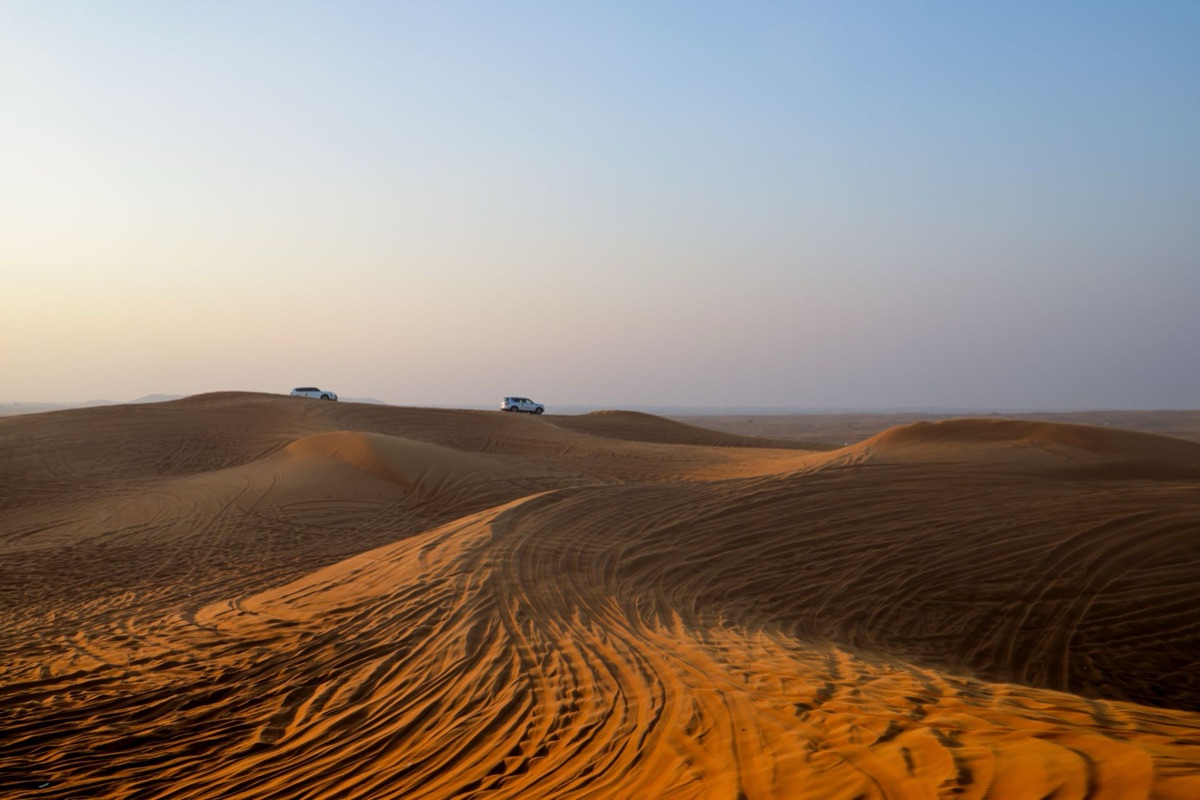
The engine of the 4x4 hums a steady rhythm against the silence of the dunes, and the driver glances at the horizon, checking the wind direction and the light.
There is a quiet understanding between the passengers and the guide that they are guests in a landscape that does not care for human presence.
Safety in the Sahara is built on the foundation of local expertise. Never attempt a solo trek or a self-drive expedition through remote desert regions without a vetted local guide.
These experts understand the shifting sands, the hidden landmarks, and the nuances of the terrain that no satellite can fully capture.
Emergency protocols and evacuation planning must be part of your pre-trip checklist. Ensure your tour operator has a clear plan for medical emergencies, including access to satellite phones and arrangements for desert-to-air evacuations if necessary.
Knowing the nearest medical facility and the logistics of getting there is vital.
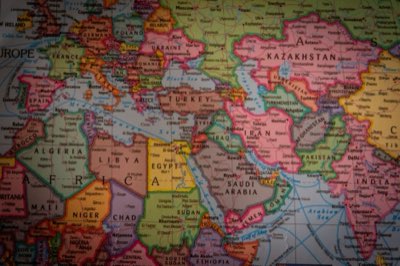
Political stability and border crossings should also be monitored. Depending on your route, you may encounter different visa requirements and varying levels of regional stability. Always check current travel advisories and ensure you have the necessary permits for protected desert areas.
Lastly, be aware of environmental hazards like sandstorms and sudden flash floods in wadis (dry riverbeds), which can occur even in the desert.
The desert is just one chapter of a larger story.
Beyond the Desert: Complementing Your African Experience
The scent of mint tea and spices fills the air in the mountain village, a sharp and refreshing contrast to the dry, dusty winds of the dunes. You look back toward the desert, feeling the grit of the sand still in your shoes, and realize the journey is only beginning.
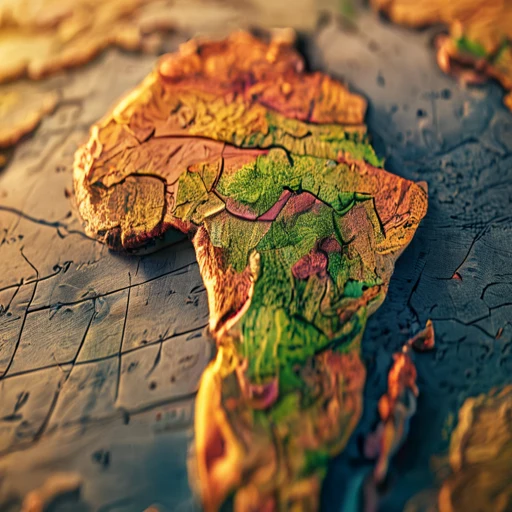
The Sahara is rarely a standalone destination; it is often part of a larger, more diverse journey. In North Africa, the desert pairs beautifully with the rugged Atlas Mountains and the Mediterranean coast.
These transitions offer a stunning variety of landscapes, from high peaks to vast sands, all within a single trip.
For those looking to connect the desert with the iconic wildlife of Sub-Saharan Africa, the transition requires more significant travel. While the Sahara and the savannas of the Serengeti or Kruger are geographically distinct, they represent the two great extremes of the African continent.
Combining a desert expedition with a safari can provide a comprehensive understanding of the continent's diverse ecosystems.
Ultimately, the choice between pure endurance travel and cultural immersion is yours. You can choose to push your physical limits through grueling treks or opt for a more contemplative, culturally-focused journey through desert camps and ancient trading posts.
Both paths offer a profound connection to the earth and a perspective that few other places can provide.
How to Plan Your Desert Expedition
To ensure you are ready for the vastness, follow this structured preparation checklist:
- Define Your Terrain: Decide between an oasis-based luxury camp and a rugged deep-desert crossing.
- Secure Expert Guidance: Book a local guide and a reliable 4x4 at least four to six months in advance.
- Master the Layering System: Pack lightweight, moisture-wicking daytime gear and heavy, insulated nighttime gear.
- Calculate Survival Supplies: Determine your water and calorie needs, and always pack a 30% surplus.
- Verify Emergency Protocols: Confirm satellite communication and medical evacuation plans with your operator.
- Cross-Reference with Local Customs: Pack modest clothing and research local etiquette to ensure smooth interactions.

Comments 0