Big Five viewing success: Guide to African landscape scale
"The vastness of the continent offers endless possibilities, yet finding the legendary Big Five requires understanding the scale of the landscape."
Effective Big Five viewing success relies on understanding the sheer scale of the African landscape and the diverse environments travelers encounter. This guide covers geographical context, environmental factors, and preparation strategies to improve your chances of wildlife sightings.
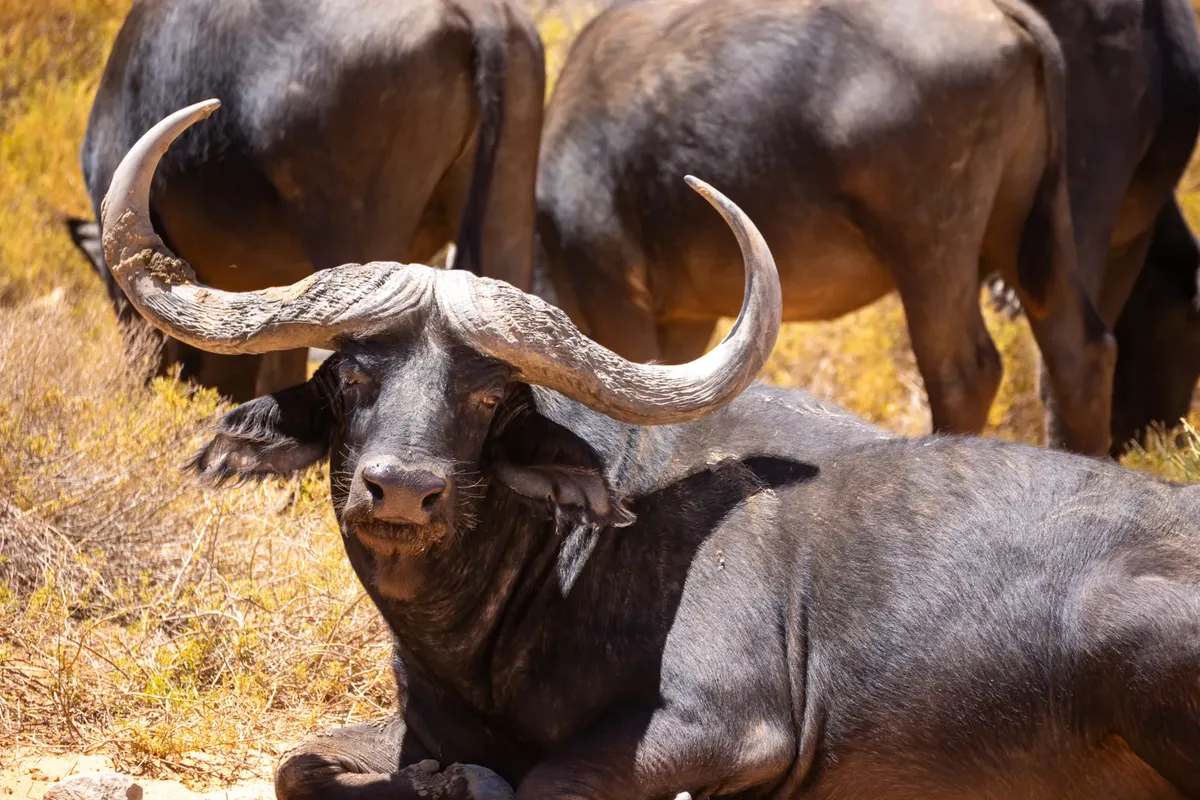
You will learn about the vast distances involved, the impact of dryland environments, and how to plan for a successful safari.
How can travelers understand the scale of the land?
A traveler sits in a rugged vehicle, looking out over a horizon that seems to stretch forever toward the edge of the world.
The continent covers around 20% of Earth's land area and 6% of its total surface area, reaching approximately 30.3 million km2 (11.7 million square miles) including adjacent islands.
This massive scale means that planning for movement across vast distances is a fundamental part of any safari success.
The distance from the most northerly point, Ras ben Sakka in Tunisia, to the most southerly point, Cape Agulhas in South Africa, is approximately 8,000 km (5,000 mi). Understanding these vast stretches helps travelers manage expectations regarding travel times between different ecosystems.
High chance wildlife sightings often depend on moving between these distinct geographical zones.
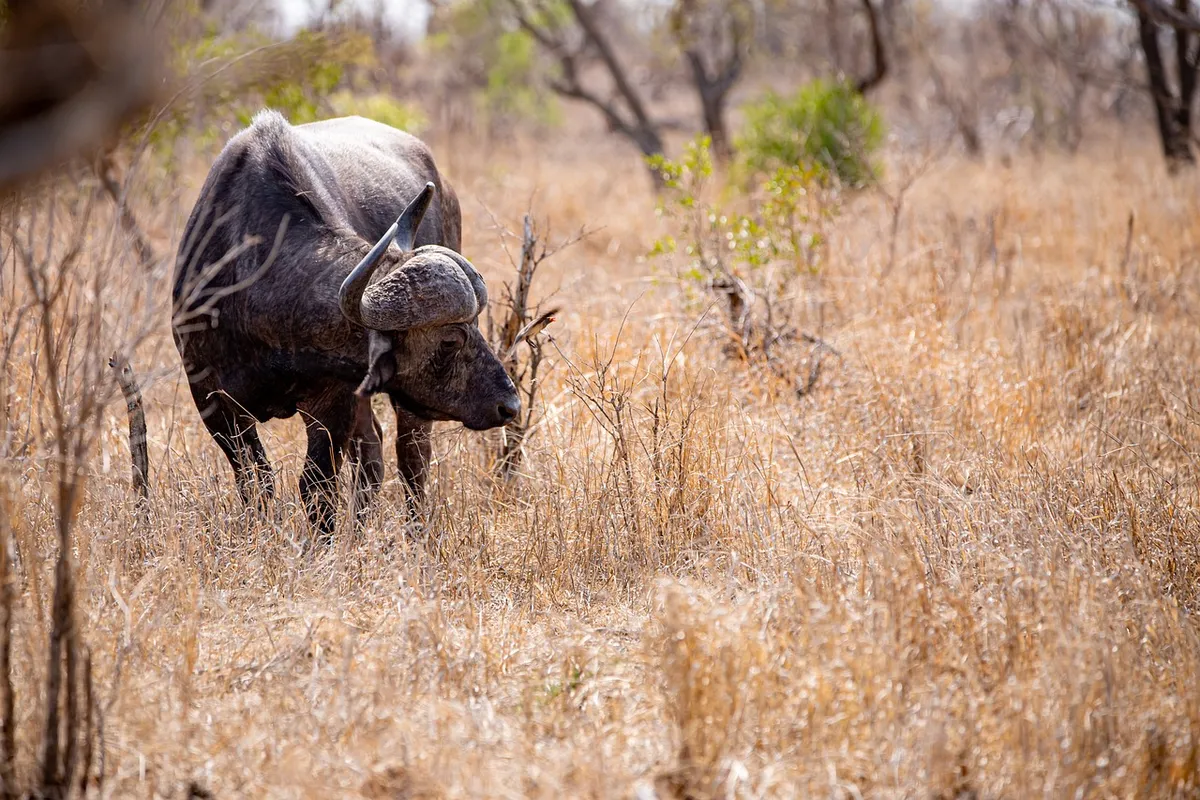
- Compare local landmarks to known global cities.
- Use topographical maps to visualize elevation changes.
- Observe the horizon line to gauge distance.
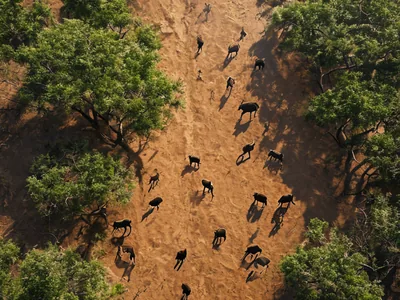
What environmental factors affect animal sightings? Big Five viewing success The sun beats down on the cracked earth of a wide savanna, where heat waves shimmer over the grass. Africa is the hottest continent on Earth, and 60% of the land surface consists of drylands and deserts.
These environmental conditions dictate where animals congregate, making track animal sightings a matter of finding water and shade.
Because much of the territory is arid, much of the movement of animals is dictated by the availability of resources in these drylands. Travelers must account for these extreme climates when planning their routes.
Successful safari planning involves recognizing that the environment shapes animal behavior more than any other factor.
In this sequence, the second factor is the most significant.
How does geography affect the journey?
A compass needle spins as a guide points toward the distant northeast, marking the boundary of the continent. Africa is joined to Asia at its northeast extremity by the Istmus of Suez, which is 163 km (101 mi) wide.
This connectivity and the various landmasses involved mean that different regions offer entirely different species and viewing opportunities.
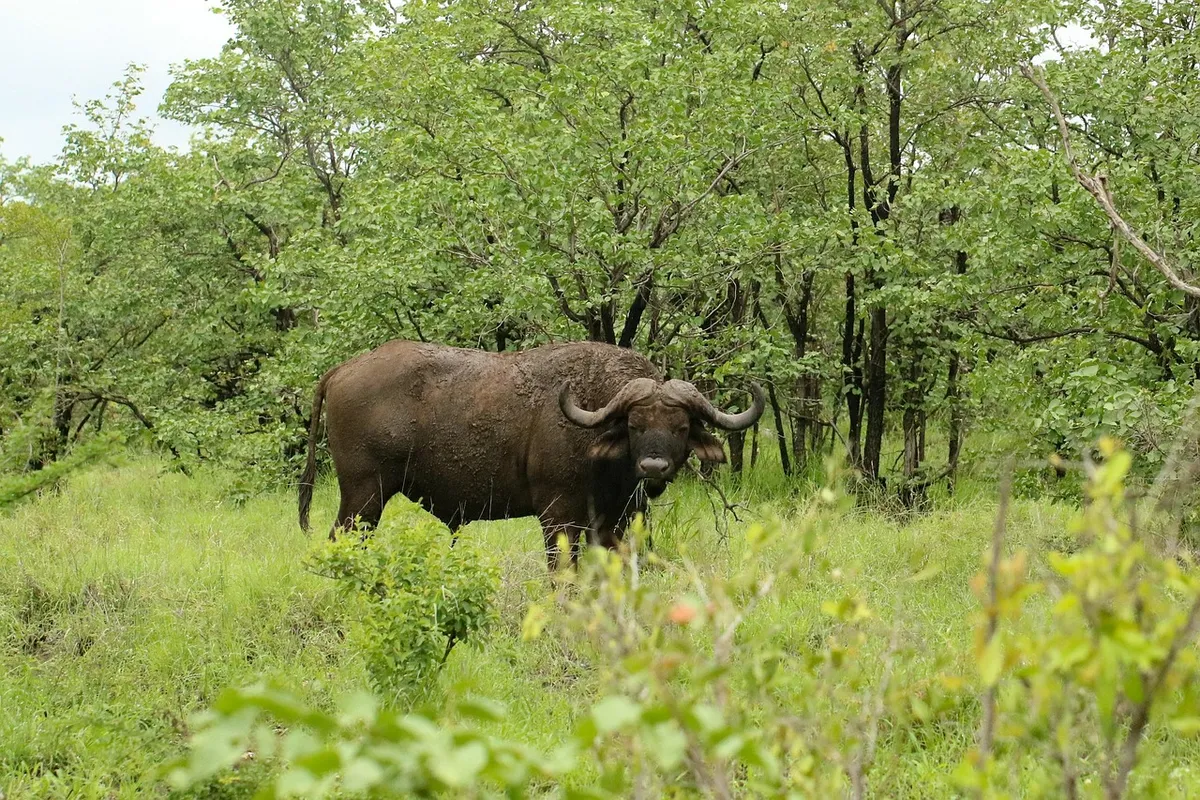
The distance from the westernmost point, Cape Verde, to the most easterly projection at Ras Hafun is approximately 7,400 km (4,600 mi). Such enormous spans mean that a single trip cannot cover every habitat.
Finding a high chance wildlife encounter requires focusing on specific regions rather than attempting to traverse the entire continent.
How can I observe effectively? A traveler grips binoculars, scanning the brush for a sudden movement in the golden grass. To improve your Big Five viewing success, you should follow a structured approach to field observation.
- Research the specific habitats within your chosen region to understand where certain species are likely to reside. 2. Coordinate your travel timing with the seasonal movements of animals across the vast drylands. s. Prepare for significant transit times between different parks or natural sites.
I remember checking my map carefully before every morning drive to ensure we were heading toward the right habitat. This preparation is essential for any successful safari planning.
What are the limitations of wildlife viewing?
A heavy rain begins to fall, turning the dusty paths into mud and obscuring the view of the distant hills. While planning is vital, certain environmental realities cannot be bypassed.
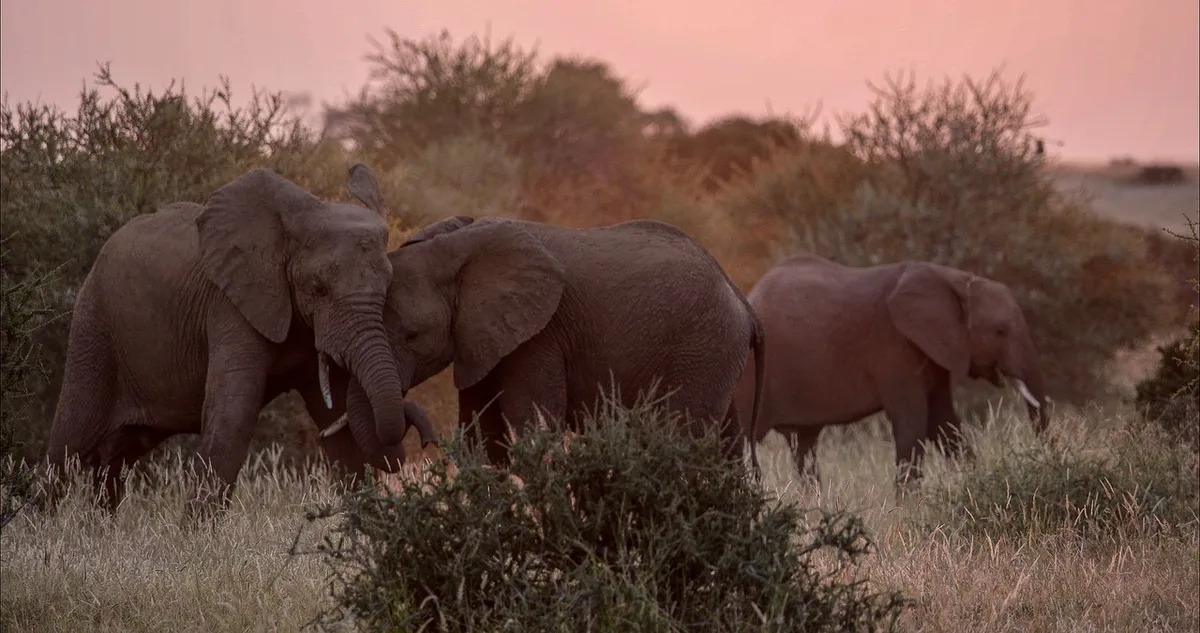
A limitation of tracking animals is that 60% of the land surface consists of drylands and deserts, which can make visibility difficult due to dust or extreme heat.
The subject here is Big Five viewing success.
The same subject is also called Safari success factors.
The same subject is also called African safari tips.
This part also covers Migration timing guide.
This part also covers Best safari planning.
This part also covers Predict animal movements.
Migration timing guide
Related
- Safari migration best spots: 100 mm to herd movement timing
- How many heritage sites influence travel routes?
How does the scale of the continent affect planning?
The vastness of the continent necessitates that travelers plan for extensive travel durations between different ecological zones. The sheer size implies that a single journey cannot encompass every possible habitat type found across the landmass.
Therefore, successful safari planning requires focusing on specific, targeted regions rather than attempting a continent-spanning expedition.
The journey between the most extreme points illustrates this requirement for focused travel. The difference between the eastern and western extremities spans thousands of kilometers, demanding careful route selection.
This geographical reality reinforces the need to align travel goals with the specific environment encountered.
What cautions should travelers keep in mind regarding the environment?
The dryness of the land presents a significant condition that travelers must acknowledge. Since much of the land is arid, the animal movements are strongly correlated with the presence of necessary resources like water.
Travelers must factor in these extreme climatic realities when charting their course through the continent.
The extreme heat, characteristic of this continent, influences both animal behavior and visibility for the observer. Dust or heat haze, products of the dryland environment, can severely limit the ability to track wildlife effectively, even with proper equipment.
This environmental constraint is a constant factor in the observation process.
- The search for the Big Five is intrinsically linked to the continent's scale and its environmental variations. 2. Successful observation hinges on matching the journey's scope to the specific biome being explored. 3. Travelers must remain mindful of how the dryland conditions dictate both animal congregation and observation difficulty.
Wikipedia: Africa Based on the retained excerpt mentioning UNESCO: As of March 2023, 98 African properties are listed by UNESCO as World Heritage Sites, with 54 cultural sites, 39 natural sites, and 5 mixed sites.



Comments 0