Safari migration best spots: 100 mm to herd movement timing
"The movement of the herds is a rhythmic dance of survival, dictated not by maps, but by the shifting patterns of rain and the desperate search for green grazing lands."
Finding the right safari migration best spots requires aligning your travel dates with the natural movement of wildlife through diverse landscapes. To witness the spectacle, travelers must understand how seasonal rainfall and altitude influence the habitat availability across East Africa.
This guide explores the timing, geography, and environmental factors necessary for a successful viewing.
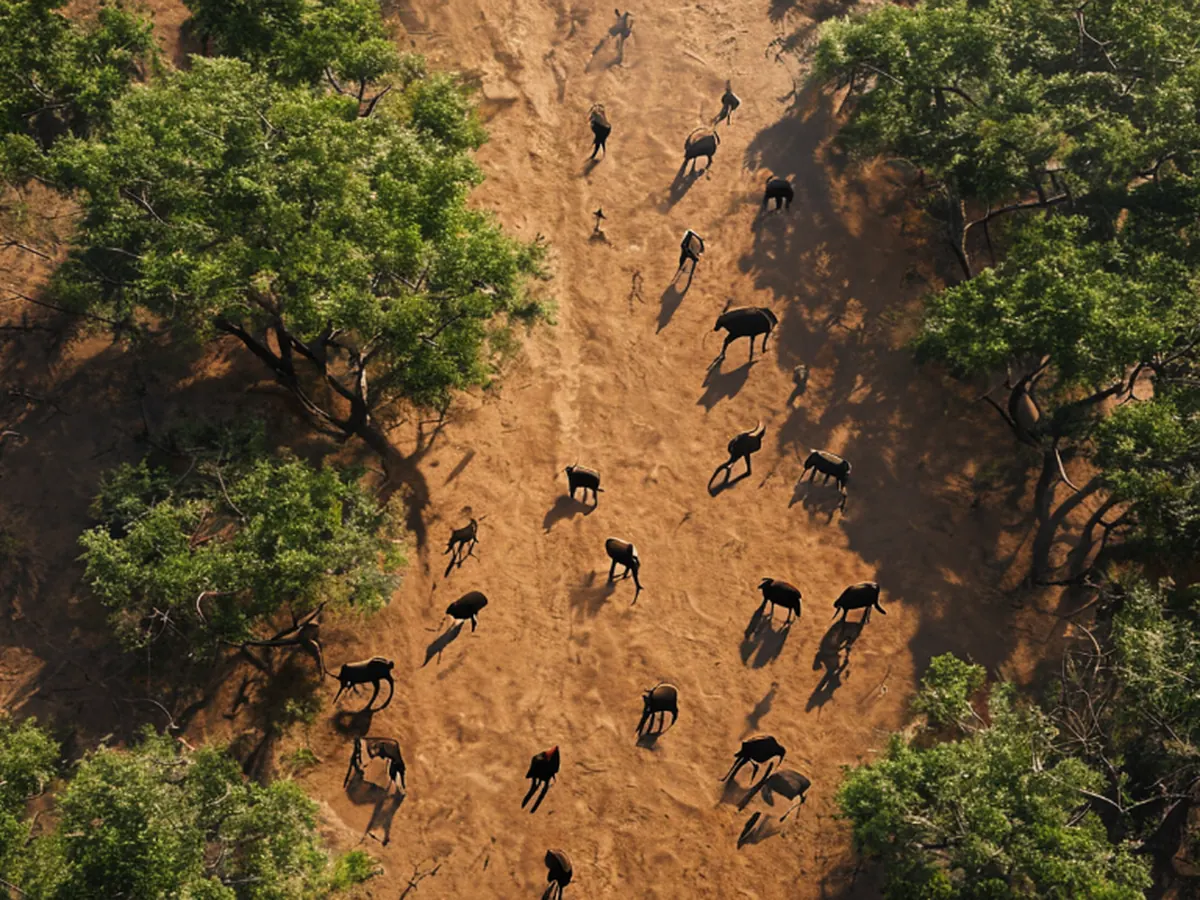
Key takeaways: * Seasonal rainfall dictates the movement of herds between lowlands and highlands. * Coastal regions offer different climates compared to high-altitude mountain areas. * Understanding local weather patterns is essential for planning optimal viewing locations.
When should I go see the herds? A traveler stands on a dusty ridge, watching the horizon for the first sign of a shifting dust cloud. Identifying the right moment to be in position is the first step in any successful wildlife expedition.
Successful wildlife viewing depends heavily on understanding the local climate and how it dictates animal movement. For instance, in certain regions, annual rainfall can be as low as 100 mm (4 inches) on the northern coast of Somalia, where dry spells can last for years.
These arid conditions create specific migratory pressures that differ significantly from more lush environments.
The migration cycle guide suggests that animals often follow the predictable increase in rainfall. In some areas, rainfall increases toward the south and with altitude, such as the jump from 400 mm (16 in) in Mogadishu to 1,200 mm (47 in) in Mombasa.
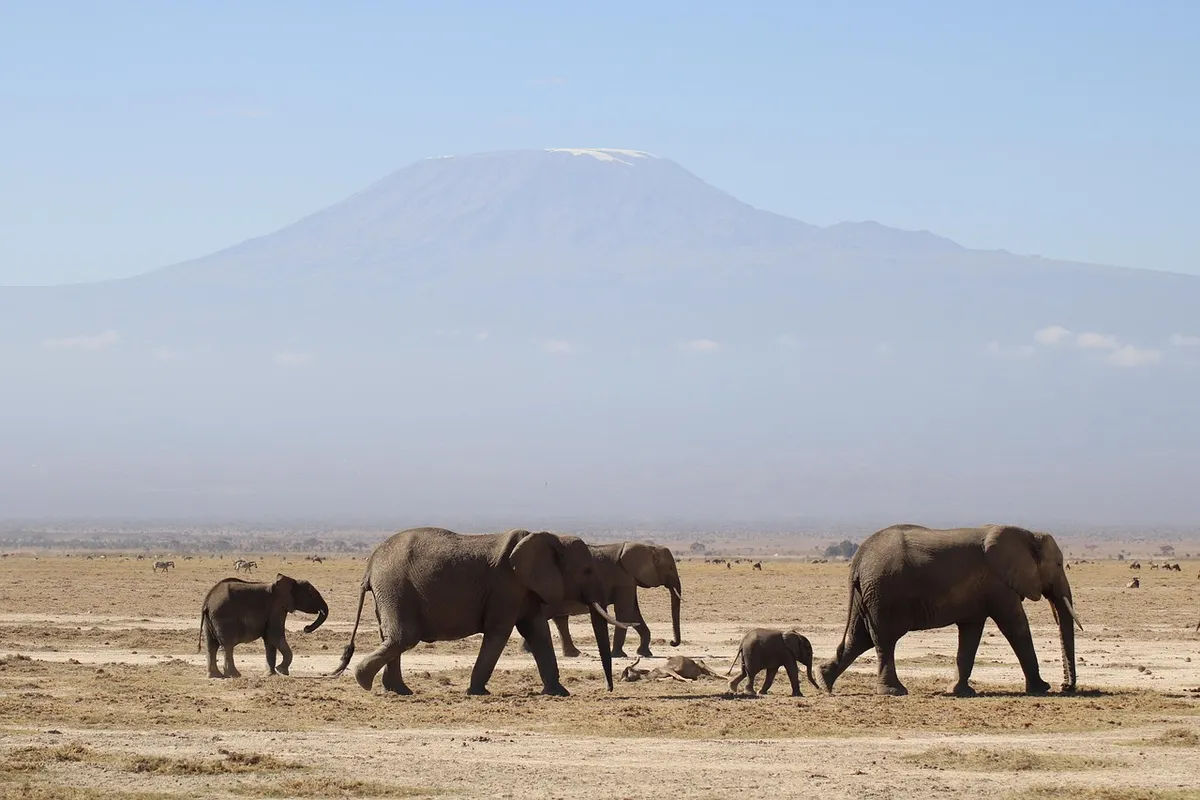
These variations in water availability determine where the herds will gather.
- Monitor the seasonal weather patterns.
- Identify the peak migration months.
- Plan your arrival to coincide with the movement.
Where can I watch the herds? Safari migration best spots A binoculars-wielding observer scans the vast plains, looking for the intersection of water and grass. Selecting the right geographic area is vital for those seeking to witness the great movement firsthand.
The geography of East Africa offers a wide spectrum of environments, from low-lying coasts to massive mountain ranges. For those looking for where to watch the herds, the contrast between different altitudes provides a natural roadmap for animal movement.
The landscape varies greatly, with rainfall reaching over 1,600 mm (63 in) on western slopes while dropping to 550 mm (22 in) at Asmara. In the high mountains, rainfall can exceed 2,500 mm (100 inches), creating lush grazing lands that attract wildlife.
These environmental shifts are what drive the seasonal movement of the herds.
In this sequence, the second step is the most extensive.
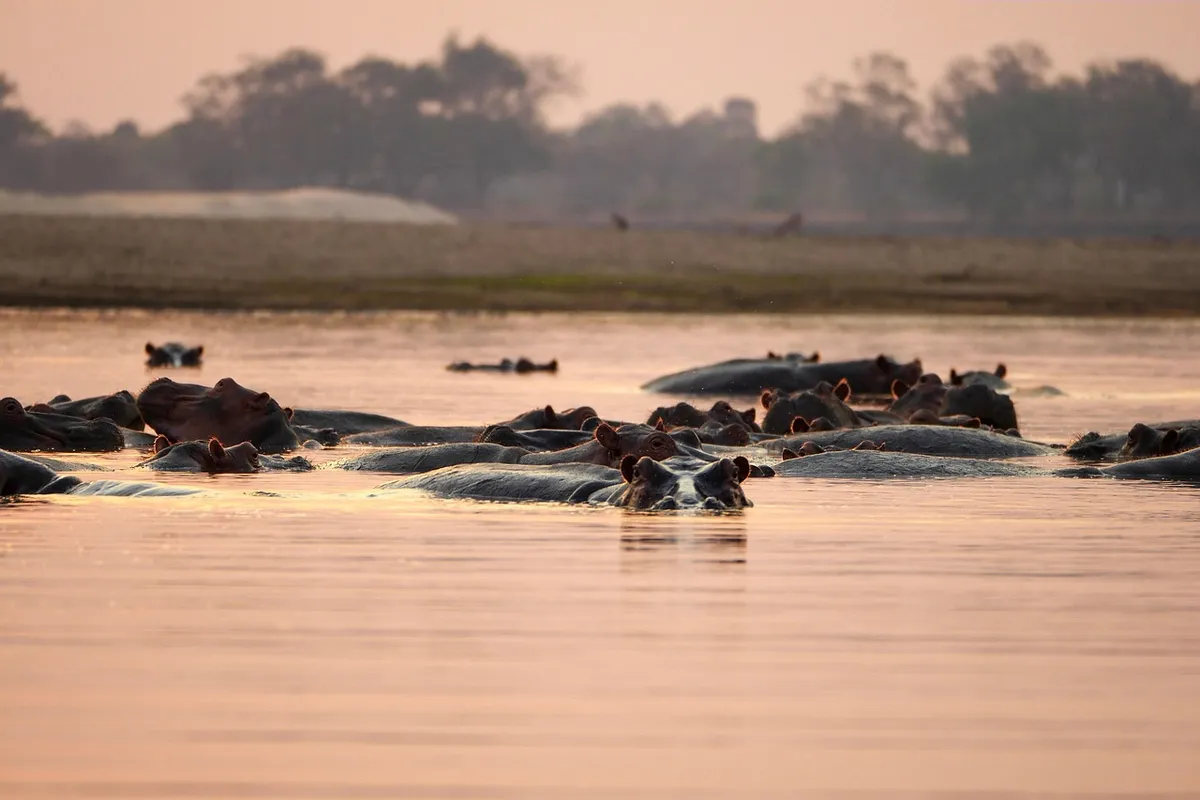
According to IMF, the 2020 record includes 2%.
How does climate affect viewing?
A traveler pulls a warm jacket closer as the morning mist rolls over the highland plains. Understanding the temperature and weather shifts is necessary to stay comfortable while waiting for the perfect shot.
Temperature and humidity play a significant role in the visibility and comfort of an outdoor safari. Most of the region experiences moderate temperatures, with maximums around 25 °C (77 °F) and minimums of 15 °C (59 °F) at an altitude of 1,500 meters (4,921 ft).
| Feature | Lowland/Coastal Conditions | Highland/Mountain Conditions |
|---|---|---|
| Typical Rainfall | 400 mm to 1,200 mm | Up to 2,500 mm |
| Temperature Max | 25 °C (77 °F) | 21 °C (70 °F) or less |
At higher altitudes above 2,500 meters (8,200 ft), frosts are common during the dry season. I remember checking the local forecast to ensure our vehicle was prepared for the sudden drop in temperature during a highland trek.
These climate-driven shifts are key to understanding the migration timing guide.
What are the best viewing strategies?
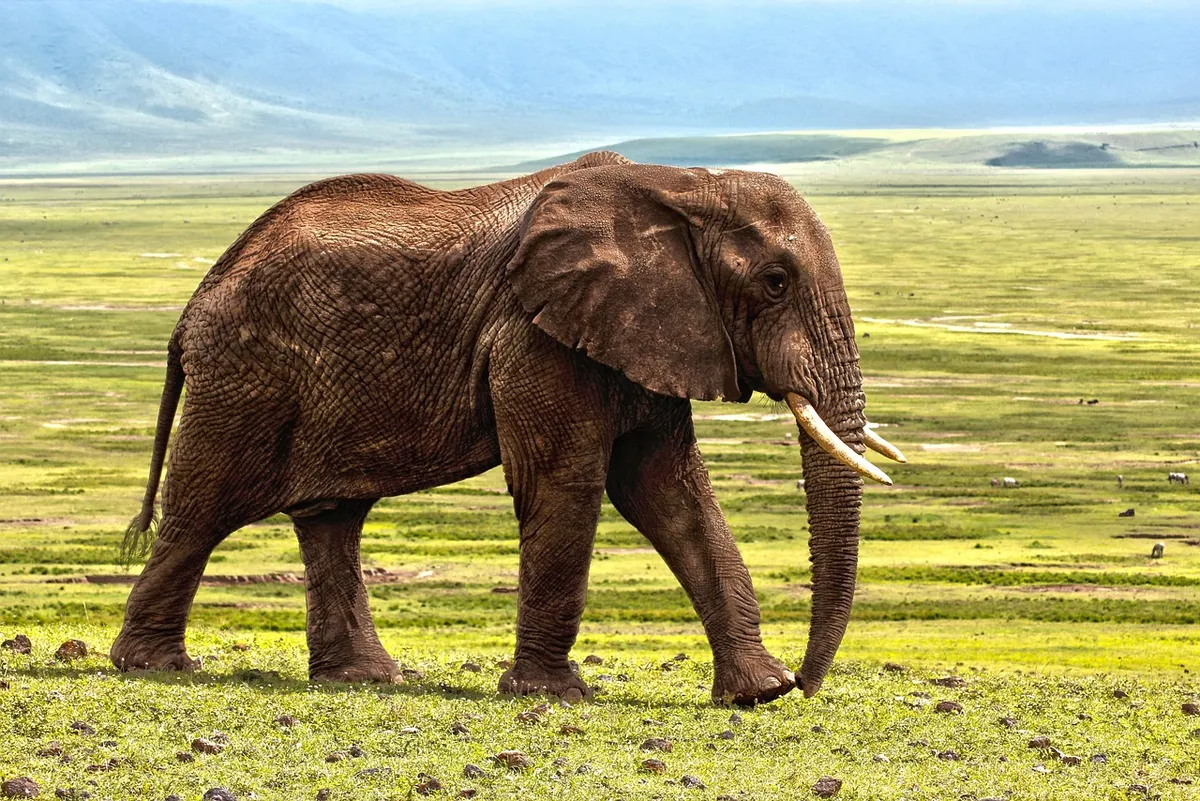
An explorer checks the compass and the fuel gauge before heading into the remote interior. Preparing for the physical reality of the terrain is just as important as knowing the animal patterns.
Effective strategies involve matching your presence to the specific ecological needs of the animals. Because the environment is so diverse, a one-size-fits-all approach to location planning will not work.
- Study the rainfall maps to predict where the next green pasture will appear. 2. Pack clothing that accounts for the significant temperature differences between coastal and mountain regions. 3. Plan routes that move from lower to higher altitudes to follow the seasonal moisture.
Always verify the current local weather trends before finalizing your itinerary. A well-planned trip ensures you are in the right place when the herds arrive.
What are the geographical limitations?
A driver navigates a rugged path, avoiding the dry, cracked earth of a seasonal riverbed. Recognizing the natural boundaries of a region helps in setting realistic expectations for a safari.
According to the IMF, 15 African nations hold significant debt risk, and as of 2022, seven were in financial crisis.
The natural landscape can present challenges, particularly in extremely arid zones. In regions like the northern coast of Somalia, the lack of rain can make certain areas virtually empty of large herds for long periods.
The primary limitation for any safari is that the availability of wildlife is strictly tied to the local rainfall and the resulting vegetation. For example, in areas where rainfall is extremely low, the environment may not support large-scale migrations.
The subject here is Safari migration best spots.
The same subject is also called Safari season calendar.
The same subject is also called Wildlife migration paths.
Related
- How many heritage sites influence travel routes?
- When is the best time for an East Africa Migration Guide?
How does the migration movement depend on rainfall?
The movement of the herds is fundamentally driven by the search for sufficient moisture, which correlates directly with rainfall accumulation. Herds shift location as the predictable increase in precipitation sustains greener grazing lands at higher elevations.
This reliance on water availability dictates the entire migratory pattern across the varied terrain of East Africa.
What caution should guide the viewing experience?
Travelers must always account for the local weather patterns before embarking on a journey. Since the availability of lush grazing lands is conditional upon recent and upcoming rainfall, a mismatch between expectation and reality can occur.
Therefore, checking current local weather trends is a necessary precaution for a successful viewing of the movement.



Comments 0