Locating Big Five: Matching Habitat to Apex Predator Needs
The ultimate blueprint for locating Africa's apex predators and megafauna.
Finding the icons of the wild requires more than just driving a rugged vehicle into the bush; it requires an understanding of the silent language of the landscape.
To see a leopard in the canopy or a lion in the tall grass, you must match your timing to their biological rhythms and your location to their ecological needs.
* Match the habitat to the hunter: Different species require specific terrains, from wide-open plains for cheetahs to dense thickets for leopards. * Understand seasonality: Animal movement is dictated by water and food availability, meaning your "perfect" sighting depends on the month you travel. * Master the timing: Most predator activity peaks during the transition periods of dawn and dusk. * Prioritize regional expertise: A safari in the Kruger requires a different strategy than a trek through the Serengeti.
Where can I find each Big Five member? The golden light of 5:30 AM hits the acacia trees, casting long shadows across the orange dust of the savanna. You sit in silence, eyes scanning the horizon, knowing that the predator you seek is likely moving right now.
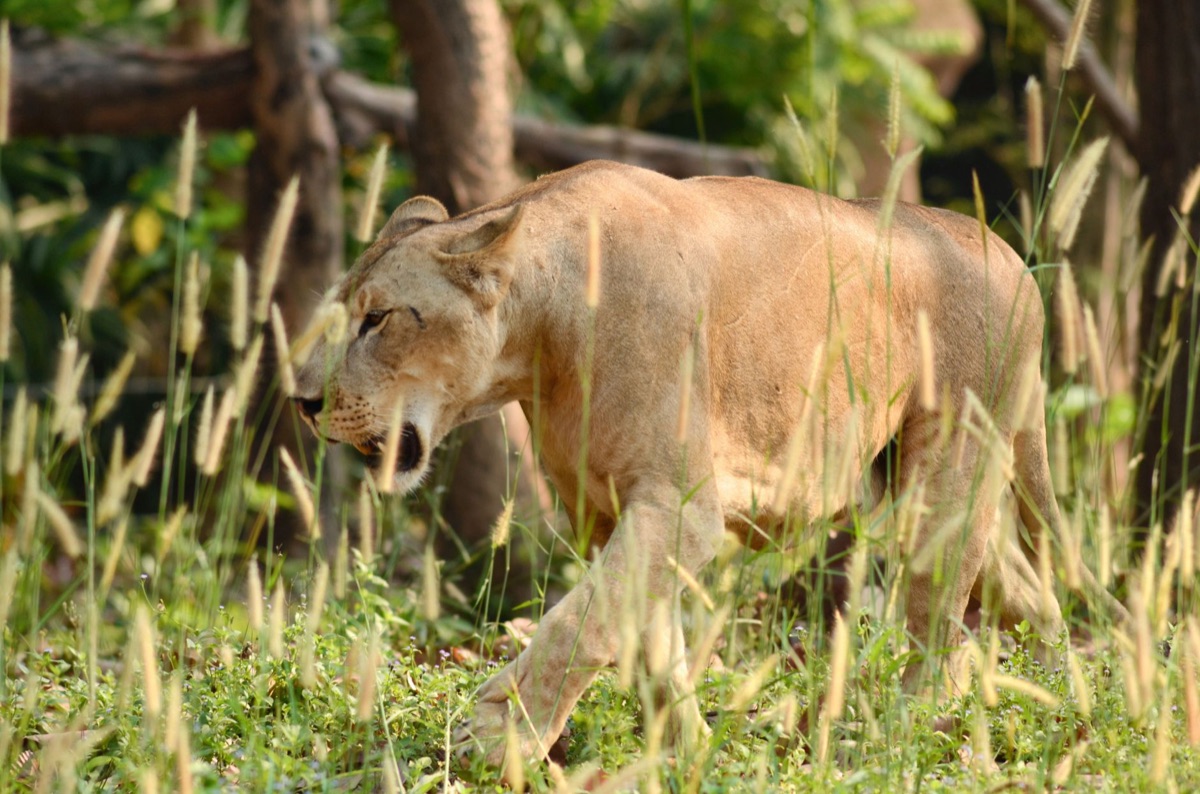
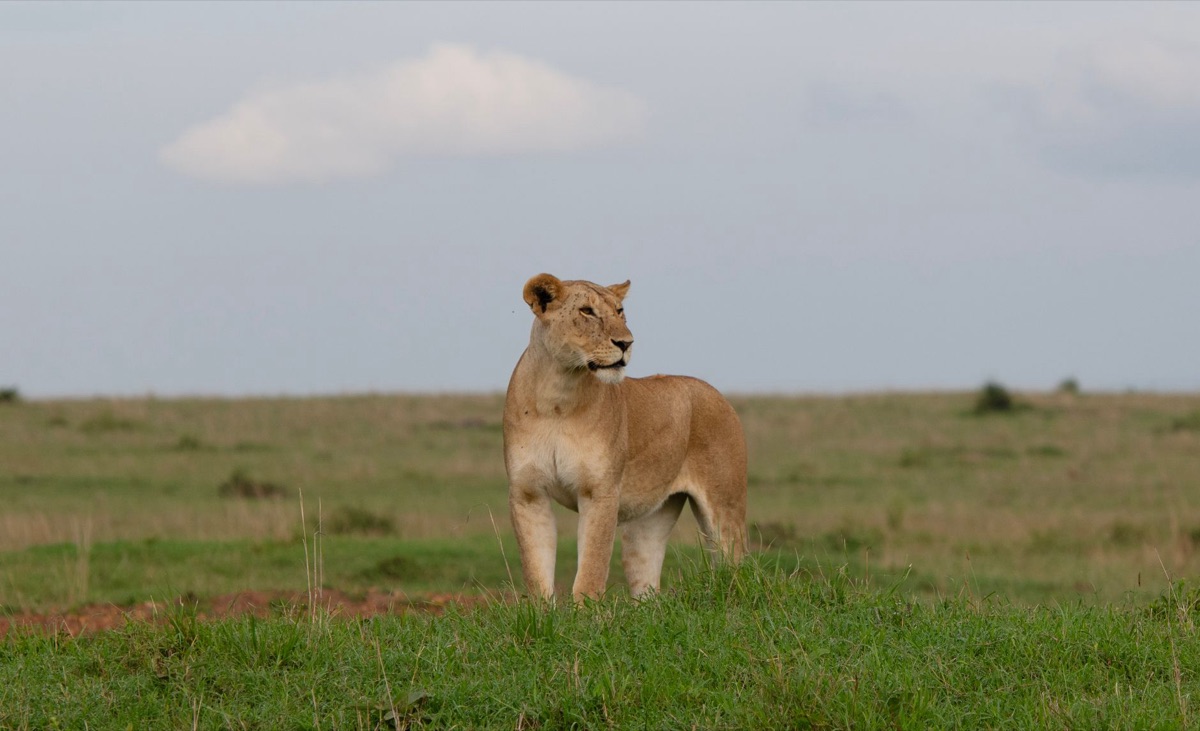
Lion tracking relies heavily on understanding social structures and habitat cover. Unlike solitary hunters, lions often congregate in prides, making them easier to locate in the vastness of the Serengeti or the bushveld of South Africa.
They are frequently found near water sources or in thick scrub where they can lounge during the heat of the day. Because they are social, look for the "sentinel" behavior or the movement of multiple individuals moving in coordination.
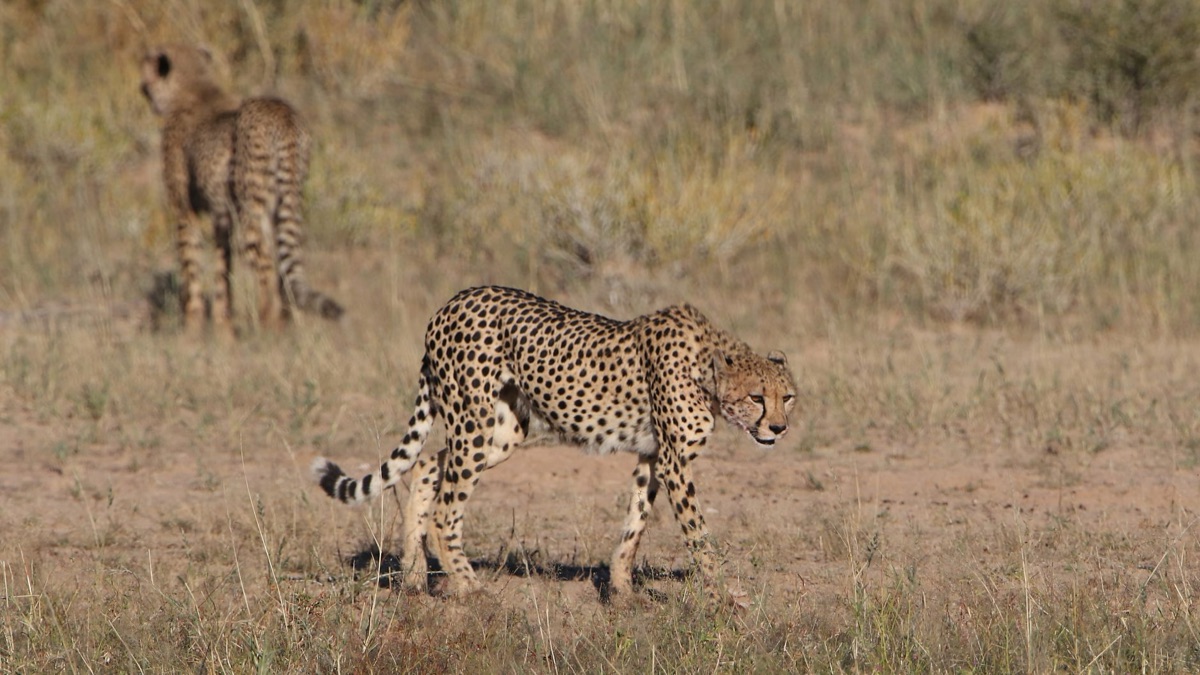
Cheetah observation requires a completely different tactical approach. Unlike the heavy-set lion, the cheetah thrives in wide-open grasslands where its speed is its primary asset. To find them, you must look toward the expansive plains of the Maasai Mara or the Kalahari.
They prefer low-lying vegetation that allows them to scan the horizon while remaining camouflaged. If you are looking for a cheetah, you aren't looking for a massive shadow; you are looking for the subtle movement of an ear or a tail in the tall grass.
Leopard patterns are the most challenging to decode because they are masters of cryptic behavior. Leopards are solitary and highly territorial, often moving through dense riverine forests or rocky outcrops.
To spot them, you must look upward into the branches of large trees or scan the shadows of kopjes (rocky hills).
Tracking a leopard often involves looking for "clues" rather than the animal itself: fresh tracks near a watering hole, disturbed foliage, or the sound of a predator moving through the undergrowth.
Elephant herds move with a sense of purpose that dictates the landscape. Their movements are often dictated by seasonal migrations and the search for permanent water. In regions like Chobe or Amboseli, massive herds move in predictable patterns.
Tracking them involves understanding the matriarch's leadership; the entire herd follows her knowledge of the terrain. They are often found in transition zones between thick forests and open plains.
Rhino sighting is a game of patience and specialized terrain. Depending on whether you are looking for the White Rhino or the more elusive Black Rhino, your search area will change. White Rhinos are often found in more open grazing lands, while Black Rhinos prefer thick, thorny scrubland.
Because they are heavily poached, they are often located in strictly managed conservation areas where ranger patrols are frequent.
Where are the best places to see the animals? The engine of the safari vehicle idles quietly as the sun begins to peek over the horizon in the Greater Kruger area. The air is cool, and the scent of wild sage fills the cabin.
Tanzania and the Serengeti offer a massive, moving theater of life. The Great Migration creates a massive concentration of herbivores, which in turn draws massive numbers of lions and leopards to the region.
The sheer scale of the Serengeti allows for massive predator-prey interactions that are difficult to witness elsewhere.
Kenya’s Maasai Mara provides a similar but distinct ecological theater. The Mara is famous for its high density of big cats. The interplay between the Maasai culture and the wildlife management in this region has created a unique landscape where predator-prey dynamics are highly visible.
The short-grass plains are particularly conducive to seeing cheetahs in action.
South Africa’s Kruger National Park and its private reserves offer some of the most accessible Big Five viewing in the world. The bushveld biome provides a perfect mix of cover and visibility.
South Africa remains a massive global tourist destination, with the tourism industry accounting for 5.8% of the country's GDP as of May 2026, according to Statistics South Africa (Stats SA).
The diversity of the landscape allows for sightings of all Big Five members within a single, well-managed ecosystem.
In the Okavango Delta of Botswana, the landscape shifts to a seasonal wetland. This creates a unique environment where elephants are the undisputed kings of the water-rich terrain.
The delta offers a different kind of tracking, where boats and vehicles work in tandem to locate animals moving through the reeds and channels.
The Art of Tracking: Predator Behavior & Successful Sighting Strategies
You croute low in the vehicle, the dust settling behind you as the guide points toward a patch of disturbed earth. There is a heavy stillness in the air, the kind that suggests something large has just passed through.
Successful tracking follows a logical sequence. First, you look for "sign"—this includes scat (droppings), tracks (pugmarks), and kill sites. Scat analysis can tell you what an animal has been eating and how recently it passed through. Tracks can reveal the size, weight, and direction of travel.
A kill site, often marked by vultures circling overhead or the scent of blood on the wind, is a primary indicator of predator activity.
Predictive modeling is the silent skill of an expert tracker. This involves using topography and water sources to guess where an animal might be. For example, a lion is likely to be near a thicket during the heat of the day, while a cheetah might be moving toward a fresh kill on the plains.
If you know where the water is, you know where the animals will be.
Activity timing is the final piece of the puzzle. Most big cats are crepuscular, meaning they are most active during the dawn and dusk periods. The "golden hours" are not just for photography; they are when the animals are moving, hunting, and transitioning between sleeping and active states.
Planning your drives to coincide with these windows is essential for success.
| Animal | Primary Habitat | Best Time to Spot | Tracking Key |
|---|---|---|---|
| Lion | Savanna / Bushveld | Dawn & Dusk | Social groups / Pride movement |
| Cheetah | Open Grasslands | Mid-morning / Late afternoon | High-visibility plains |
| Leopard | Dense Forest / Rocks | Night / Early Morning | Tree canopies / Ambush sites |
| Elephant | Mixed Woodland / Wetlands | Early Morning | Herd movement / Water holes |
| Rhino | Scrubland / Grassland | Early Morning | Low-profile movement / Tracks |
Safari Planning: Tailoring Your Journey for Maximum Success
A map sits spread across the table in the lodge, marked with various colored pins representing different routes and parks. You realize that choosing a destination is not just about the animals, but about the journey itself.
Seasonality is the most critical factor in safari planning. In many parts of East and Southern Africa, the "dry season" is the best time for sightings. As water becomes scarce, animals are forced to congregate around permanent water holes, making them much easier to locate.
Conversely, the "green season" (rainy season) offers clearer views and more active young animals, though they can be harder to find in the lush vegetation.
Route planning should be designed around your specific interests. If your goal is strictly the Big Five, a deep-dive into a single large ecosystem like the Kruger or the Serengeti might be more effective than jumping between countries.
However, a multi-country itinerary allows you to experience different subspecies and ecological variations.
For those seeking the highest probability of success, booking during the peak dry season (typically June to October in much of Southern Africa) is recommended. During this time, the vegetation is thinner and the animals are more predictable.
Beyond the Big Five: Supporting Ecosystems & Cultural Context
The sound of rhythmic drumming drifts from a nearby village, blending with the distant roar of a lion. It is a reminder that the wild does not exist in a vacuum; it is part of a living, breathing human landscape.
The relationship between local communities and wildlife is a complex part of the African safari experience. In many regions, the survival of the Big Five depends on the coexistence of local people and conservation efforts.
Understanding this human-wildlife interface adds a layer of depth to the travel experience.
The cultural DNA of the regions—from the Maasai in Kenya to the Zulu in South Africa—is deeply intertwined with the natural world. Many local traditions are built around the movements of animals and the management of the land.
Engaging with these cultures provides a holistic view of why conservation is so vital to the identity of these nations. #





Comments 0