Big Five Safari Guide: Tracking Lions, Rhinos, and Elephants
"The thrill of the safari isn't in the luck of the draw, but in understanding the rhythm of the wild."
Finding the legendary Big Five—lion, leopard, elephant, rhino, and buffalo—requires more than just a sturdy vehicle and a high-end camera; it requires a strategic understanding of habitat, seasonality, and animal behavior.
To maximize your chances, you must match your itinerary to the specific ecological needs of these iconic species.
* Top Region: South Africa (Kruger area) and Kenya/Tanzania offer the highest cumulative Big Five sighting probabilities. * Critical Timing: The dry season is generally superior for wildlife viewing as animals congregate around dwindling water sources. * Habitat Strategy: Open savannas favor elephants and buffalo, while dense bush or rocky outcrops are essential for leopard sightings. * Difficulty Scale: While elephants are ubiquitous, rhinos remain the most elusive and difficult to track due to their shy nature and habitat requirements.
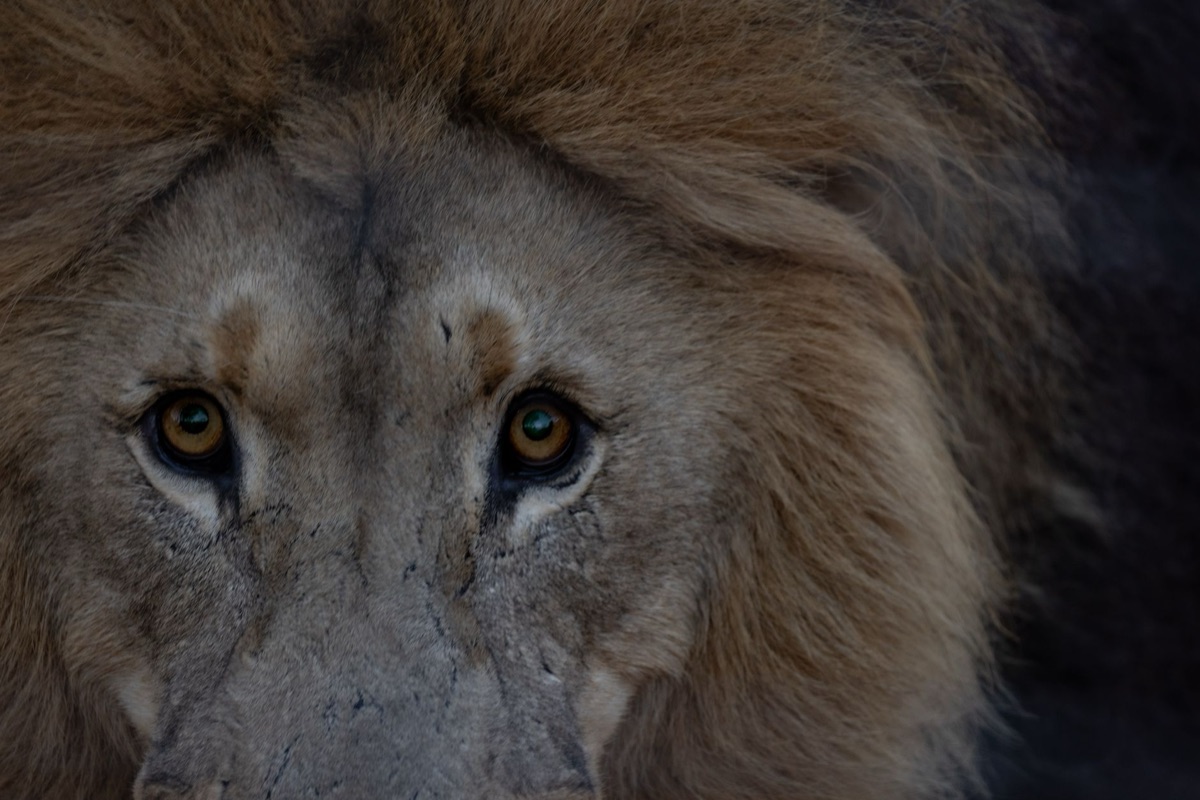
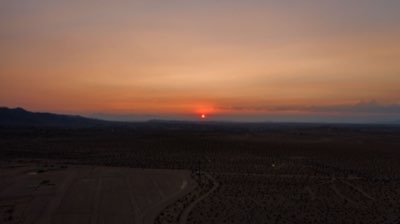
Where can I find each of the Big Five? The sun begins to crest over him over the horizon in the Kruger National Park in July 2026, casting long, golden shadows across the acacia trees as a dust cloud rises in the distance. You sit in the safari vehicle, eyes scanning the scrub, knowing that the animals are often hiding in plain sight.
Lion (The Apex Predator): Lions are highly social and often found in prides within open grasslands or transition zones between bush and savanna. In regions like the Serengeti or the Greater Kruger, you are likely to see them during the early morning or late evening when they are active.
They often congregate near large herds of grazers, making the transition between plains and wooded areas a prime hunting ground.
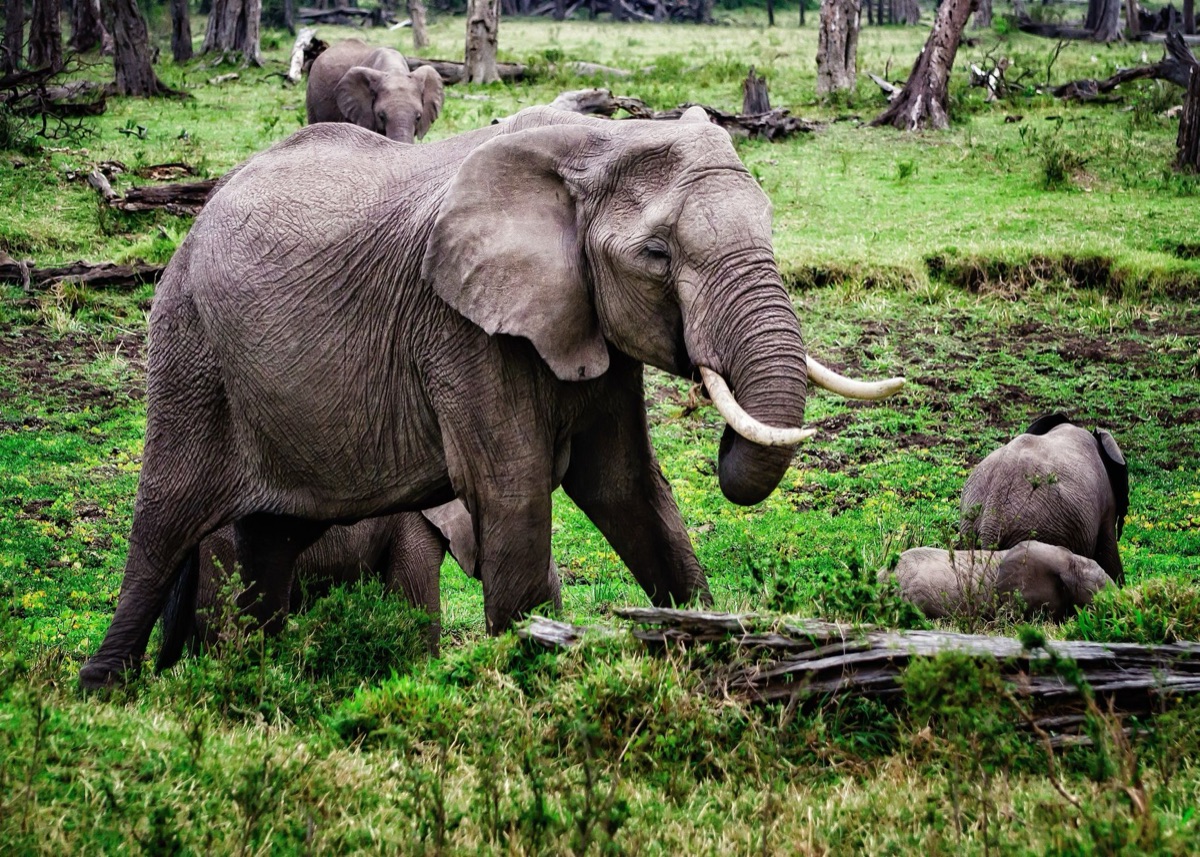
Elephant (The Gentle Giant): Elephants are often the easiest of the Big Five to locate because of their size and social presence. They inhabit a wide range of environments, from dense forests to semi-arid scrublands.
In areas like Chobe in Botswana or the Amboseli in Kenya, large herds are frequently seen near permanent water sources. Their movement is often dictated by the search for vegetation and water, often resulting in massive, visible migrations.
Rhino (The Challenge): Finding a rhino is often the highlight—and the greatest challenge—of a safari. They are much more elusive than lions or elephants. White rhinos tend to prefer open grasslands, while black rhinos are more common in thicker bush and scrubland.
Locations like Ol Pejeta in Kenya or specific private reserves in South Africa provide much higher sighting probabilities due to intensive protection and managed habitats.
Leopard (The Specialist): While often grouped with lions, leopards require a different tactical approach. Leopards are solitary and masters of camouflage, often found in trees or rocky kopjes.
Buffalo (The Tank): African buffalo are often found in more wooded areas or near wetlands where grazing is plentiful. They are much more unpredictable than other members of the Big Five.
In the thickest parts of the bush, you might not see them until you are nearly upon them, making them a constant presence in the landscape.
| Species | Primary Habitat | Viewing Difficulty | Best Time of day |
|---|---|---|---|
| Lion | Savanna / Grassland | Moderate | Dawn / Dusk |
| Elephant | Diverse / Scrubland | Low | Early Morning |
| Rhino | Grassland / Thick Bush | High | Dawn / Dusk |
| Leopard | Trees / Rocky Outcrops | Very High | Night / Dawn |
| Buffalo | Wetlands / Grassland | Low | Mid-day / Dawn |
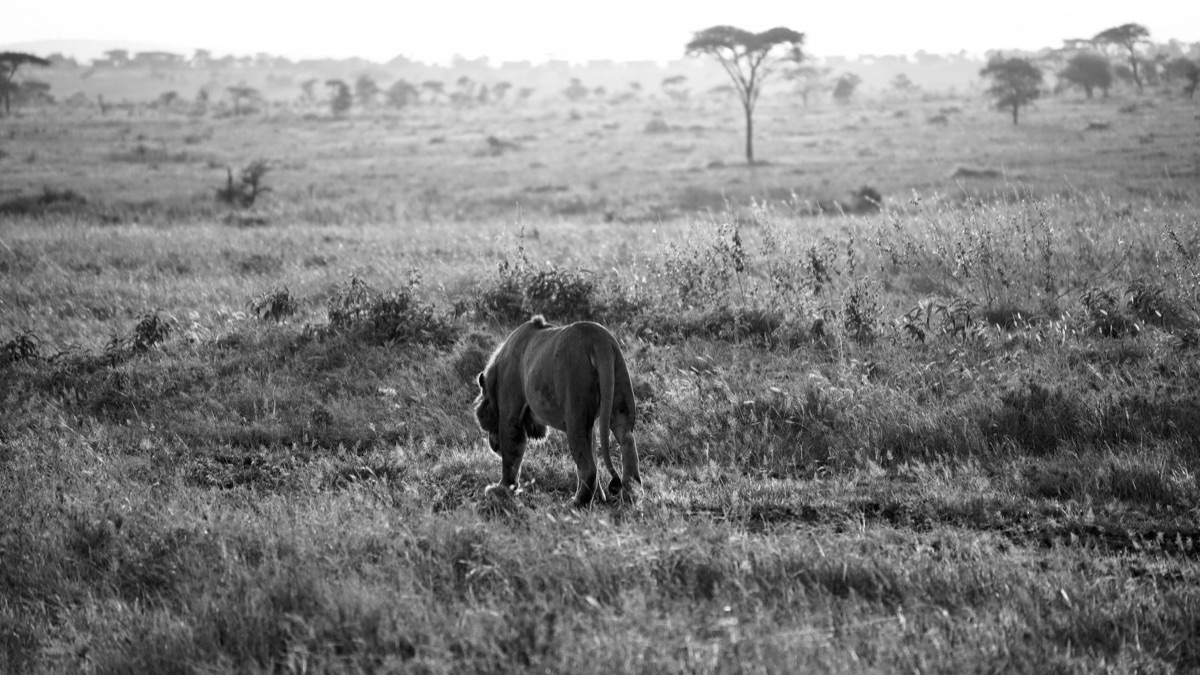
How can I maximize my chances of an encounter? A heavy rainstorm clears in the late afternoon of August 2026, leaving the air smelling of damp earth and ozone as the safari vehicle navigates a muddy track toward a remote watering hole. You check your map, wondering if the dry season's end will make the animals harder to find.
The Golden Triangle: For travelers seeking the highest density of wildlife, the "Golden Triangle" of safari—comprising South Africa, Kenya, and Tanzania—offers the most reliable results.
South Africa's private reserves often provide much higher viewing probabilities due to controlled environments, whereas East African parks offer vast, wilder landscapes that require more patience.
Migration Timing vs. Species Presence: Many travelers conflationalize the Great Migration with the Big Five. While the migration of wildebeest and zebra is spectacular, it is a specific event.
For the Big Five, you aren't just looking for the migration; you are looking for the predators that follow the herds. Timing your trip to coincide with the movement of prey can indirectly lead you to the lions and leopards.
Seasonal Deep Dive: The dry season (typically winter months in Southern Africa) is the gold standard for wildlife viewing. As water disappears from the plains, animals are forced to congregate around permanent water sources, making them much easier to track.
Conversely, the wet season often sees animals dispersing into thicker vegetation, which can make sightings more difficult even though the landscape is more beautiful.
Geographic Risk vs. Reward: There is a constant trade-off between mass tourism and deep wilderness. High-density parks like Kruger or the Maasai Mara offer high sighting probabilities but can be crowded with vehicles.
Moving into more remote, private concessions offers a more intimate experience and often better access to elusive species like rhinos, but it comes at a significantly higher price point and requires more logistical planning.
Navigating the Ecosystem: Beyond the Big Five
The sound of a low, guttural growl vibrates through the floor of the vehicle, and you realize you are much closer to a sleeping lion than you initially thought. The tension in the air is palpable as the guide keeps the engine idling.
The Predator's Domain: Understanding predator behavior is key to a successful sighting. Lions often hunt in groups, making them easier to spot through social interaction. Leopards, however, are masters of stealth.
To find them, you must look for "the sign"—disturbed foliage or a specific look in the eyes of a bird. Successful viewing often requires looking up into the trees rather than just across the horizon.
The Elephant Herds: Elephants move in complex social structures, usually led by a matriarch. Observing these movements can tell you a lot about the local ecology. If you see a large herd moving toward a specific valley, it is likely a seasonal movement toward better grazing.
Following these natural corridors is often how guides predict where the next encounter will happen.
The Rhino Challenge: Because of the extreme threat of poaching, rhino-heavy areas are often highly secured. This can impact viewing logistics, as some parks have restricted access or require specific permits.
However, these conservation efforts also mean that in certain managed reserves, you have a much higher chance of seeing a rhino than you would in a vast, unprotected national park.
The Water Source Dynamics: Seasonal changes dictate the entire ecosystem. During a drought, the "nexus" effect of waterholes is magnified. Animals that usually stay spread out will gather in large numbers.
This concentration is a double-edged sword: it makes viewing easy, but it also makes the animals more wary of human presence due to increased competition and predator presence.
Logistical Planning: Making the Trip Successful
When I planned my own trip through the Greater Kruger area, I realized that the quality of the guide was far more important than the thread count of the sheets.
I remember sitting in a dusty Land Cruiser at 5:30 AM, coffee in hand, realizing that the best moments happened in the quietest, least luxurious moments.
How to Plan Your Safari Itinerary:
- Select Your Core Region: Choose between the high-density private reserves of South Africa or the vast, migratory landscapes of East Africa.
- Match Season to Habitat: Prioritize the dry season (May through September in much of Southern Africa) to ensure animals congregate at water sources.
- ly3. Diversify Your Locations: Do not stay in one single park for two weeks. Mix open plains with thick bush habitats to increase the variety of species seen.
- Vet Your Guides: Prioritize operators that provide professional naturalists rather than just drivers.
- Build in Buffer Days: Always include at least two "recovery" or "exploratory" days to account for days when wildlife sightings are low.
Tour Operator Selection: Do not choose a guide based solely on the luxury of the lodge. A five-star hotel is wonderful, but a guide with deep local knowledge of animal tracks, seasonal movements, and bird calls is what makes a safari.
Look for operators that emphasize small group sizes and highly trained naturalists.
Itinerary Sequencing: A well-planned itinerary should balance different habitats. If you spend your entire trip in the open plains of the Serengeti, you might miss the chance to see leopards in the more wooded regions of South Africa or the thickets of Zambia.
Sequencing your trip to include both open savanna and dense bush maximizes your chances of seeing the full spectrum of the Big Five.
Contingency Planning: Never go on a safari expecting a perfect checklist. There will be days when the rhino is nowhere to be found or the leopard remains hidden.
A successful traveler builds "buffer days" into their itinerary—days spent in different habitats or moving to a new region—to ensure that a lack of sightings in one area doesn't ruin the entire expedition.




Comments 0